

HART textile materials guide: hemp
The word “canvas” comes from hemp. For centuries this fibre stretched the sails of ships, twisted their ropes and gave Europe its toughest cloth. If it is returning to high-end furnishing fabrics today, fashion has little to do with it: few plants combine such an undemanding crop with such a resilient fibre.
This guide offers a clear, neutral reading of hemp: what it is, what makes it an exemplary raw material, how strong it is, where it belongs in an interior, its limits, and what to check before choosing it.
Contents
What is hemp
An exemplary raw material
From stem to yarn: where it all happens
Exceptional strength
Look and feel
Uses in interiors
How hemp ages
Care and practical constraints
Hemp or linen?
Before you choose
What is hemp
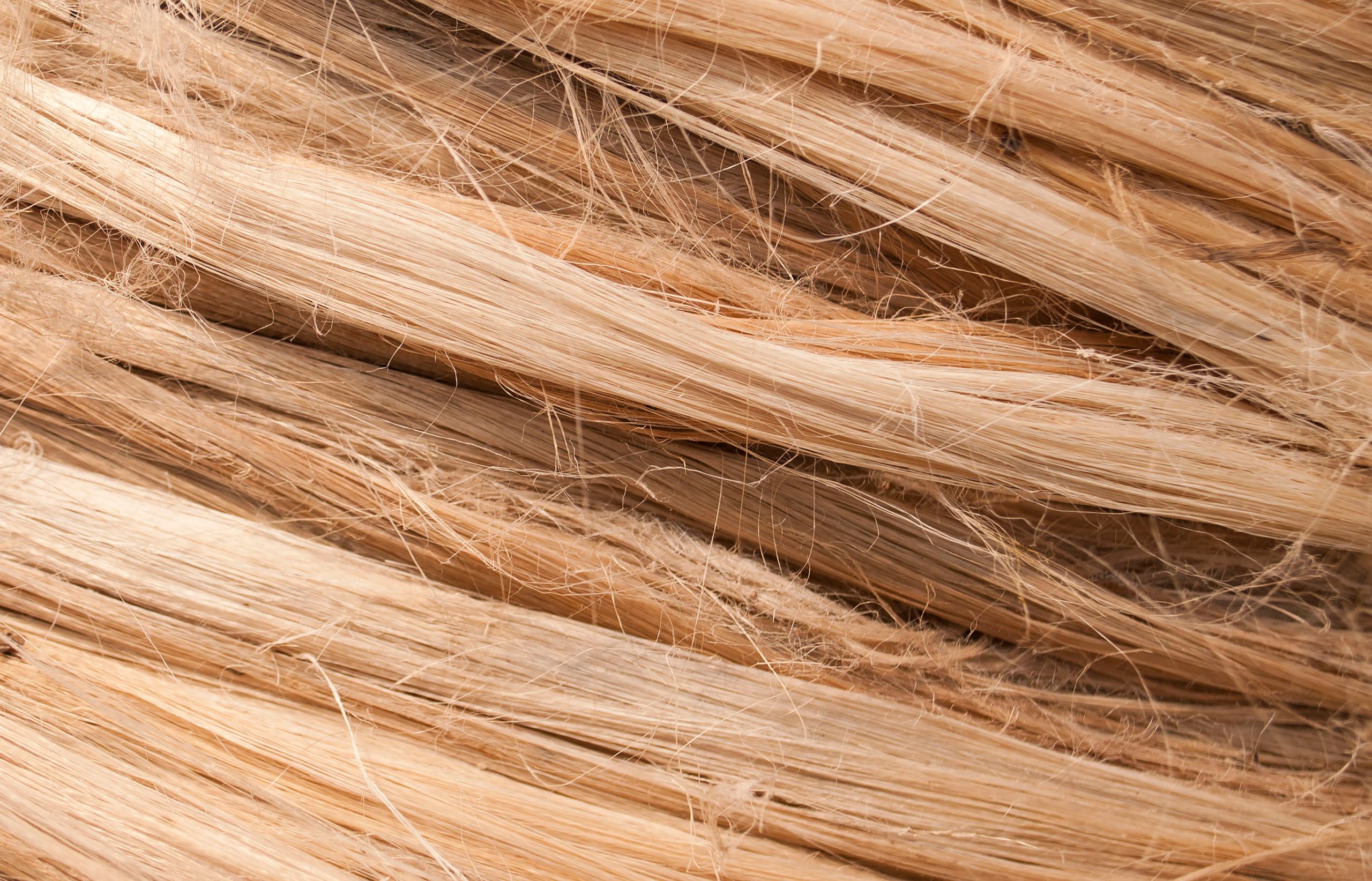
Textile hemp comes from the stem of Cannabis sativa, grown for fibre from industrial varieties with a very low THC content. Like linen, it is a bast fibre: it sits in the outer layer of the stem, in long bundles that give the yarn its strength. The whole plant is put to use: the fibre for textiles and paper, the woody core (hurd) for building materials, the seeds for food.
On the label
In Europe, the composition must give the full name: hemp (chanvre in French). Beware a common mix-up: the code CA, sometimes attributed to hemp, actually stands for acetate, a man-made fibre. In hemp-linen or hemp-cotton blends, read the share of hemp against its role: body and character on one side, softness on the other.
An exemplary raw material
It is in the field that hemp stands apart from almost every other fibre. Sown in spring, it reaches two to three metres in about four months. It grows so fast and so densely that it smothers weeds, so it is generally grown without herbicides or pesticides. In temperate climates it usually needs no irrigation, living on rainfall alone. Its deep taproot loosens and structures the soil, which is why farmers use it to open a crop rotation: whatever is planted next benefits.
France is Europe’s leading hemp producer. The contrast with cotton, a heavy user of water and inputs in many regions, is striking: at source, hemp is one of the most virtuous fibres there is.
From stem to yarn: where it all happens
To free the fibre, the stem is first retted: left in the field, it is broken down by moisture and micro-organisms that loosen the fibres from the wood. It is then scutched to separate fibre from core, and hackled (combed) to keep only the long fibres for the finest yarns. Some supply chains replace these steps with faster chemical treatments, which add to the footprint and can weaken the fibre.
Fabric quality depends on each of these steps. A hemp with a fine hand comes from long, well-combed fibres spun evenly. A low-grade hemp made from short or damaged fibres will be harsh, uneven and weaker: the name of the fibre guarantees nothing, the supply chain tells you everything.
Exceptional strength
Hemp is among the strongest plant fibres, both in tension and in wear. That is why navies relied on it for centuries: in 1666 Colbert founded the Corderie Royale in Rochefort, where the French fleet’s ropes were made from hemp. Sails, sacks, household linen made to last generations: it was the fibre for things that must not give way.
In furnishing, that strength means crisp body, good stability and outstanding longevity, especially in dense weaves. It copes well with humidity. Like linen, it is breathable and helps regulate temperature, holding on to neither heat nor moisture.
Look and feel
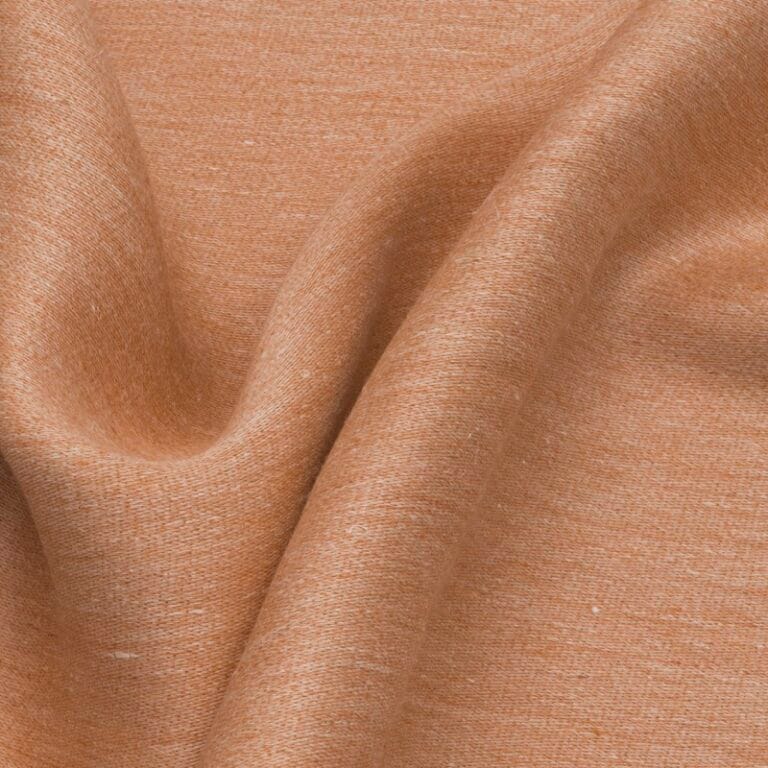
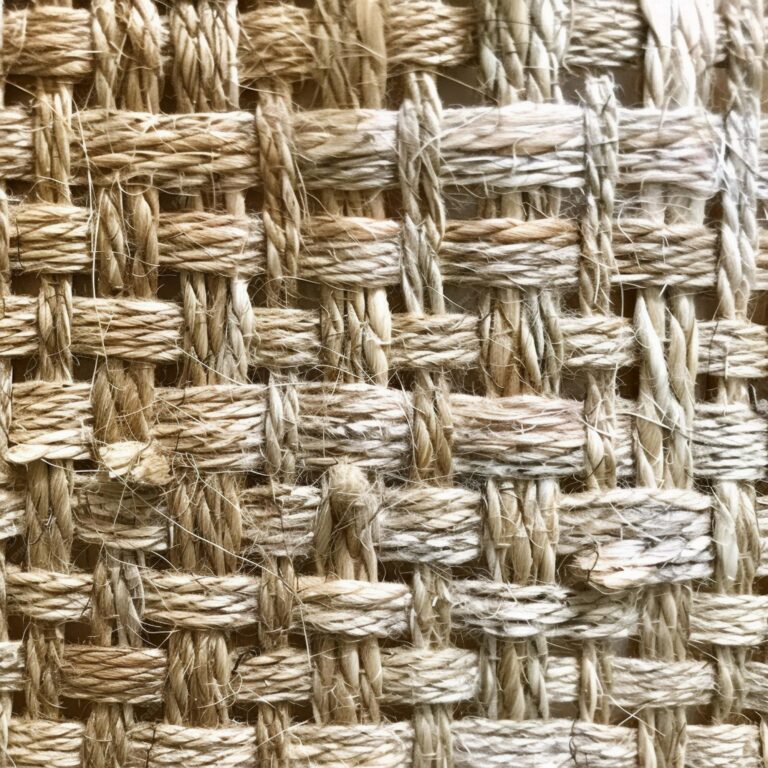
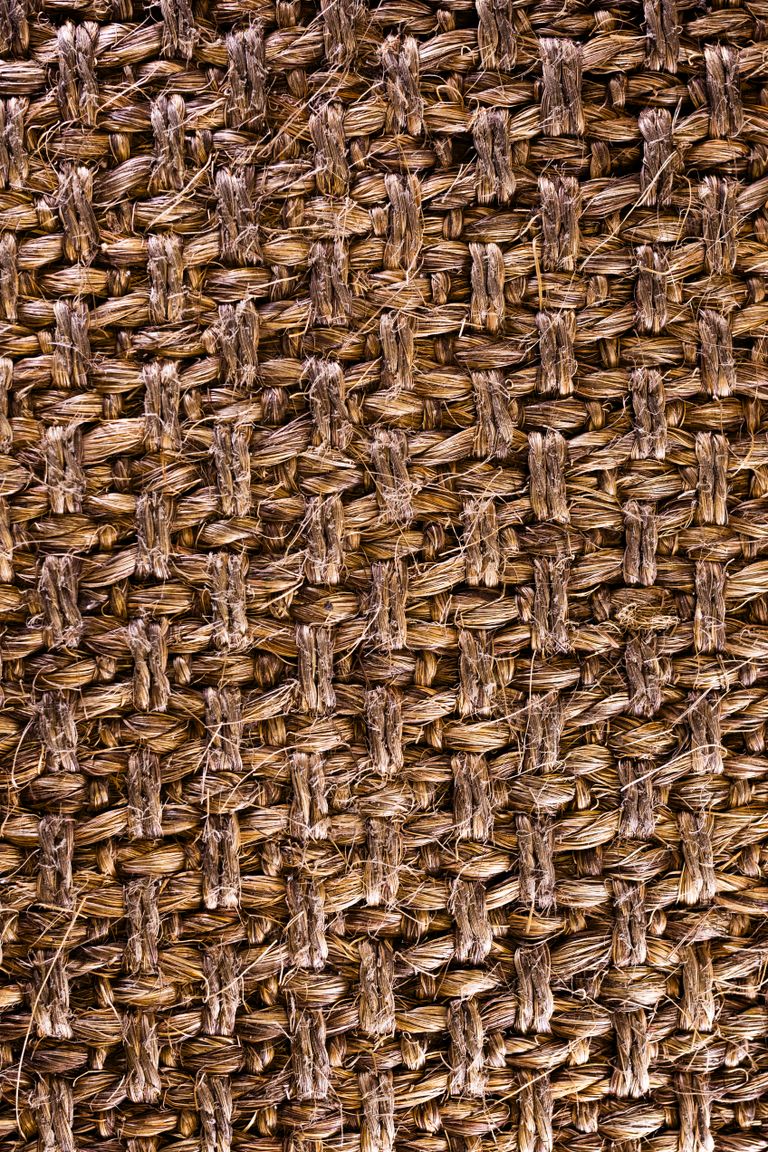
Hemp has a drier, more direct hand than linen, with visible slubs and a strongly material look. Its light is matt and its texture reads from across the room. High-end versions are softened by washing, finishing or blending with linen or cotton without losing that character. It sits naturally with raw wood, stone and terracotta, and with quiet luxury interiors, where material speaks louder than ornament.
Uses in interiors
Curtains and drapery
Hemp makes curtains with fine body, a structured drape and an elegant texture. Woven dense, it creases less than a light linen.
Loose covers, cushions and throws
It excels in removable covers, cushions and throws: its toughness stands up to handling and repeated cleaning.
Seating
On chairs in moderate use, a dense hemp is an excellent choice. For heavily used seating, everything depends on the weave, the weight, the blend and the measured abrasion resistance: our complete guide to the Martindale rub test explains how to read it.
Fabric walls and wallcoverings
Its stability makes it a good choice for upholstered walls, a craft mastered by the ateliers in our upholstery workshops directory. For coverings that borrow its look, see our guide to textile and textured wallcoverings.
How hemp ages
Hemp breaks in rather than wears out. With time and cleaning, the fibre relaxes, the hand softens and the texture gains character, while the fabric keeps its structure. Where some man-made fibres lose their body or sheen, a good hemp stays strong, repairable and ready to be re-covered: a material that gets handed down.
Care and practical constraints
Hemp is cared for like other natural fibres. The essentials:
– Vacuum seats and cushions regularly
– Prefer professional cleaning, depending on construction and finish
– Watch out for greasy stains, which untreated fibre absorbs
– Accept some creasing on light curtains and covers, depending on the finish
Hemp or linen?
Both are bast fibres, undemanding to grow and grown in France. Linen is generally finer, brighter and more fluid. Hemp is sturdier, more matt and more textured, with a drier hand. In high-end interiors the difference becomes a question of voice: linen for supple elegance, hemp for a more architectural presence. The two also blend beautifully. To see how they compare with wool and silk, read why natural fibres dominate luxury textiles.
Before you choose a hemp fabric
– An undemanding raw material, usually grown without irrigation or pesticides
– A matt, living texture that develops a patina without wearing out
What to check
– The supply chain: where the hemp was retted, spun, dyed and woven
– Density, weave and Martindale rating for any seating use
– The finish, which decides softness and stain resistance
When hemp is an excellent choice
– Structured curtains, loose covers, cushions, fabric walls
– Moderately used seating in a dense weave
When to be careful
– If you expect a very soft hand without a specific finish
– Heavy use without abrasion data
– Very pale, untreated fabrics, which are prone to staining
Conclusion
Hemp is not a trend: it is an ancient fibre returning to centre stage now that textiles are judged on their raw material and their lifespan. Few fibres grow so lightly, few resist so well. What remains is to demand the same rigour from the supply chain as from the plant: a hemp that is well retted, well spun and well woven is one of the soundest choices in furnishing fabrics. To find it, start with the houses in our guide to high-end upholstery fabric brands, and go further with our overview of eco-design.
HART guide
Textile materials, fibre by fibre
Each fibre has its own origin, processing, way of ageing and limits in use. These guides form a reference base for understanding natural, man-made and synthetic textiles before choosing a fabric.
Alpaca/Cotton/Hemp/Linen/Mohair/Polypropylene/Raffia/Silk
Go further
- Textile materials: the overview → Natural, man-made and synthetic fibres compared
- Exceptional upholstery fabrics → An editorial and cultural reading of high-end textiles
- Linen, wool, silk → Why natural fibres dominate luxury textiles
- Upholstery fabric brands from A to Z → Textile houses, editors and their know-how
- The Martindale rub test → Reading real performance against use
- Luxury trimmings → Braids, fringes and textile finishes
- Upholstery workshops directory → The ateliers that work noble textiles
- Textile wallcoverings → Natural or synthetic, the matter on the wall
Digital entrepreneur and craft artisan.
My work bridges craftsmanship, design history and contemporary creation, shaping a personal vision of luxury interior design.
Since 2012, I have been based in my workshop on the shores of Lake Annecy, creating bespoke interiors for architects, decorators and private clients.