

Gio Ponti: life, work and iconic designs
In a photograph by Giorgio Casali, a child lifts a chair with the tip of a single finger. The chair weighs one point seven kilograms. It is called the Superleggera, “super light”, and Cassina has been making it since 1957. Its designer, Gio Ponti, spent his life proving that things could be lighter, brighter and more joyful, whether he was drawing a skyscraper, a cathedral, a cup or a coffee machine.
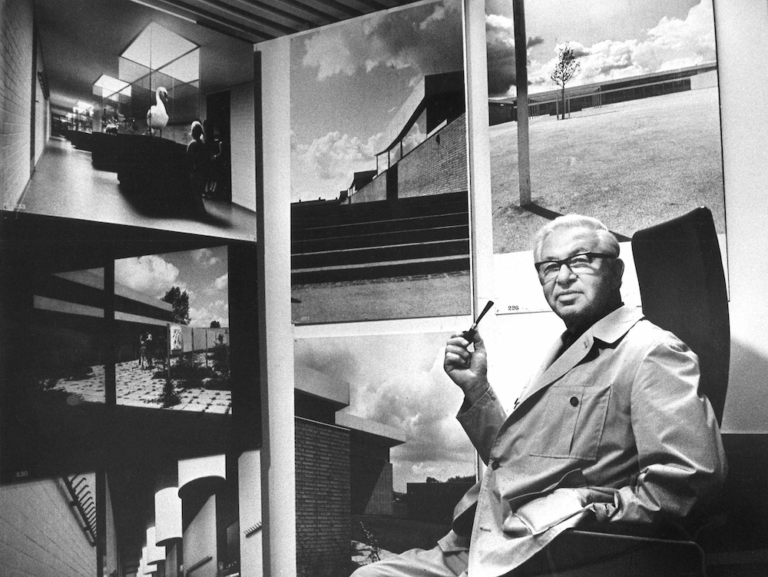
Architect, designer, editor and occasional painter, Ponti is the great all-rounder of Italian design. He founded the magazine that introduced that design to the world, built one of Europe’s most beautiful skyscrapers and designed thousands of objects. For anyone who loves interiors he is a treasure trove: rarely has an architect thought so carefully about every detail of the home, or with so much colour.
A Milanese with a limitless appetite
Giovanni Ponti, known as Gio, was born in Milan on 18 November 1891. After the First World War he completed his architecture studies at the Politecnico di Milano and opened his first practice in 1921. He quickly refused to choose between disciplines. He loved architecture, but also painting, ceramics, glass, silverware and textiles, and he meant to do it all.
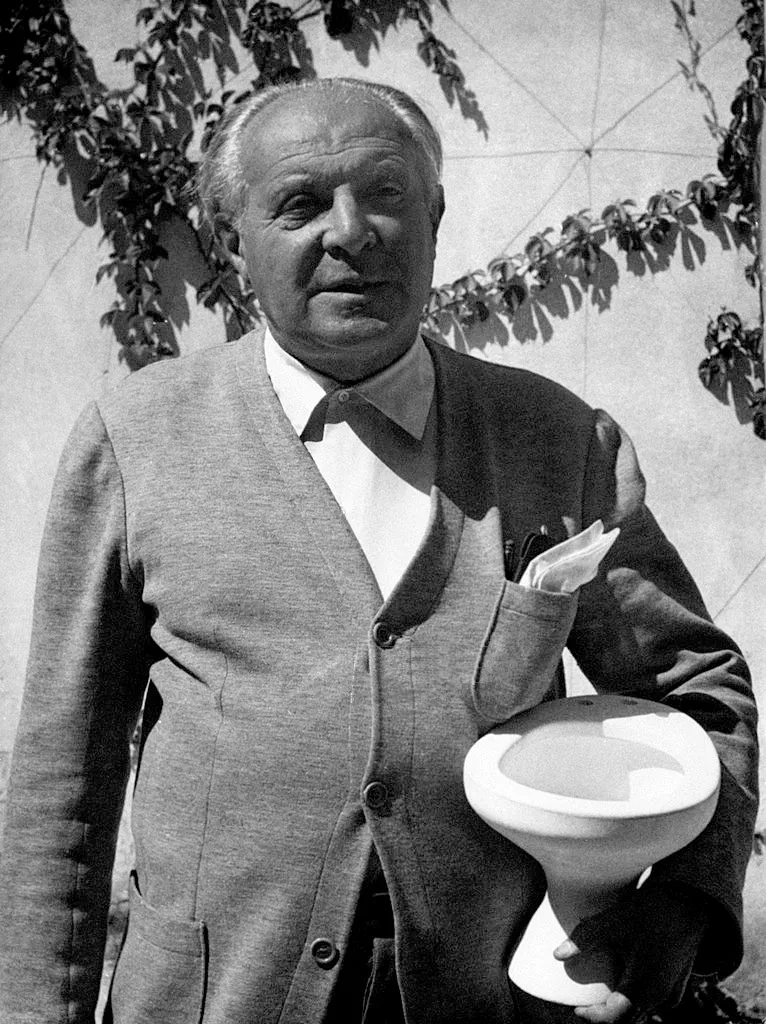
That curiosity became his method. For Ponti there were no major and minor arts: a door handle deserved as much attention as a facade, and industry could make beautiful things if an artist showed it how.
Richard-Ginori, porcelain as a laboratory
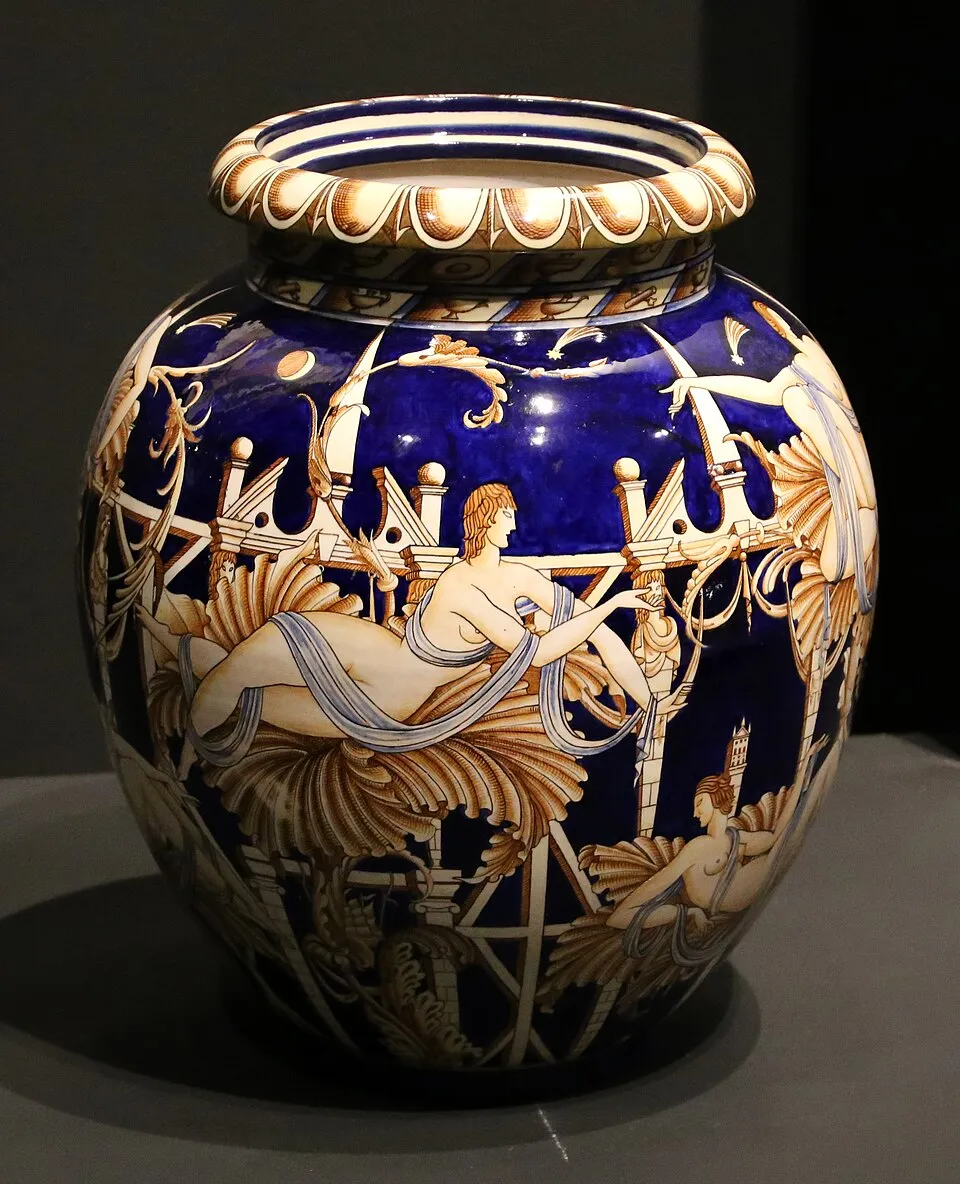
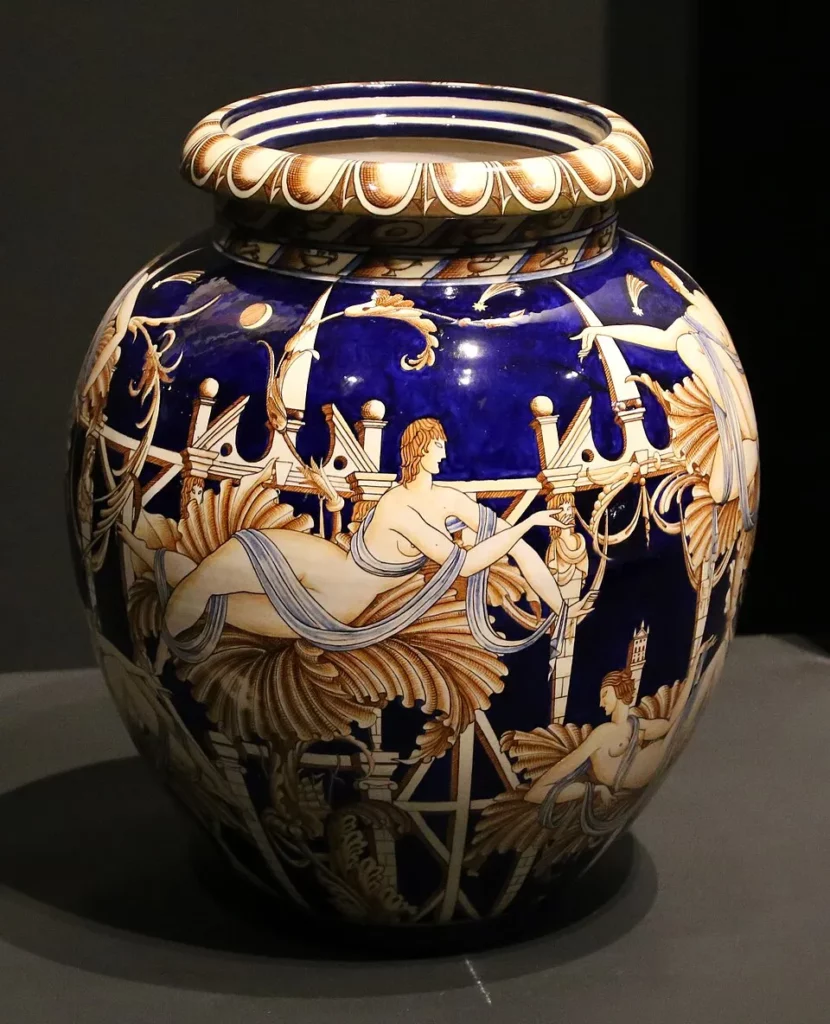
In 1923 the porcelain manufacturer Richard-Ginori appointed him artistic director. He was thirty-one, with almost everything to prove. He renewed the house’s repertoire, mixing classical motifs with modern fantasy, antique figures and imaginary architecture, and rethought its methods of mass production.
Success came at once. His pieces won awards at the 1925 International Exhibition of Decorative Arts in Paris, the very exhibition that gave its name to Art Deco. It launched his international career, and proved that a factory-made object could have the poetry of a one-off piece.
Domus, the magazine that made Italian design
In 1928 Ponti founded Domus, an architecture and interiors magazine he would edit for decades, with a break in the early 1940s when he launched another title, Lo Stile. Domus championed a simple idea: the modern Italian home, bright, practical, cultured and open to art.
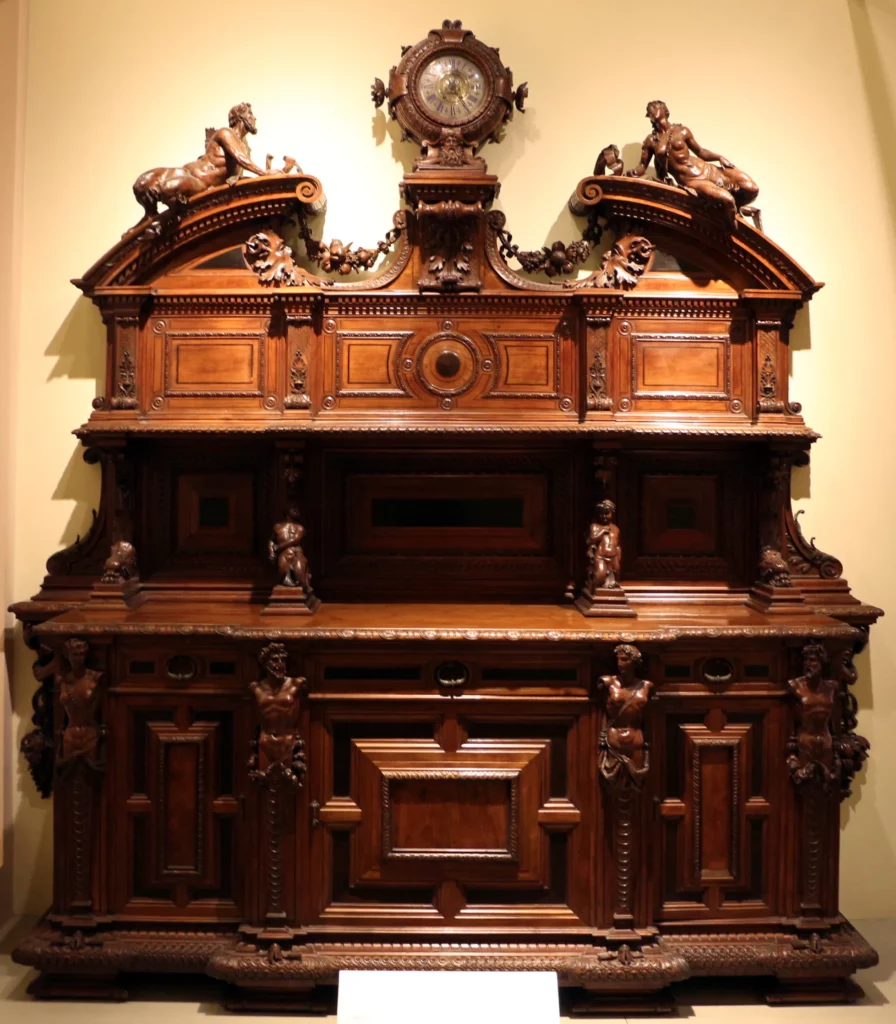
It was more than a magazine. It was a platform that revealed architects, designers and craftsmen, and put Italian design on the world stage. Ponti was also involved in the Milan Triennale, and was behind the Compasso d’Oro, the great Italian design award created in 1954 with the La Rinascente department stores and still presented today. When the five-hundredth issue of Domus came out in 1971, it was dedicated to him.
The architect of lightness
Ponti set up his firm with engineers Antonio Fornaroli and Eugenio Soncini in 1933. In Milan he built the first Montecatini building, schools and apartment blocks, then travelled further and further afield.
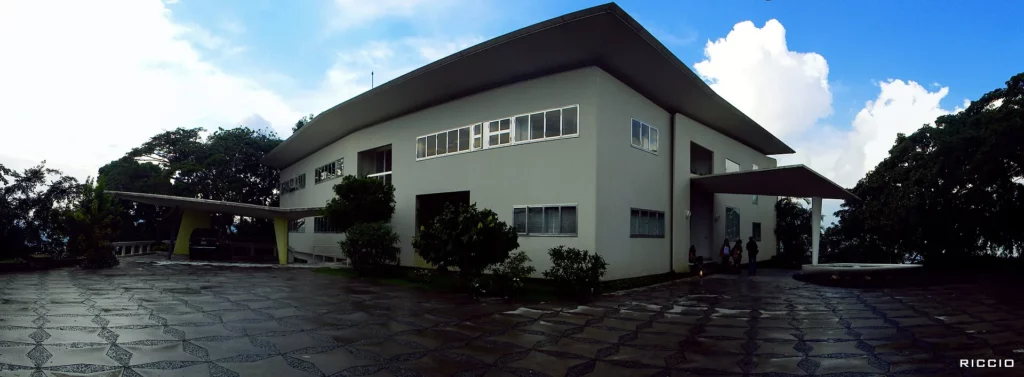
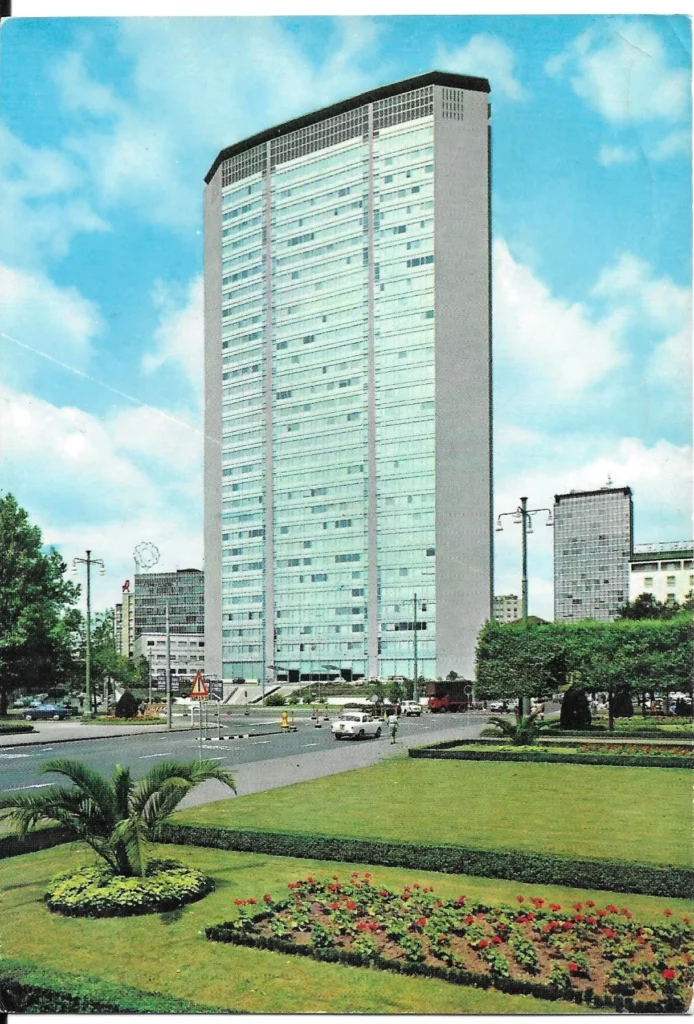
In Caracas, between 1953 and 1957, he built the Villa Planchart, a house set on the hillside like a butterfly, with walls that seem to float and interiors designed down to the last piece of furniture. In Milan he designed the Pirelli Tower with engineer Pier Luigi Nervi, built between 1956 and 1960: one hundred and twenty-seven metres tall, a silhouette as slender as a blade, the opposite of the American glass box. There he applied his theory of “finite form”: a building should be complete, perfect in its shape, with nothing left to add.
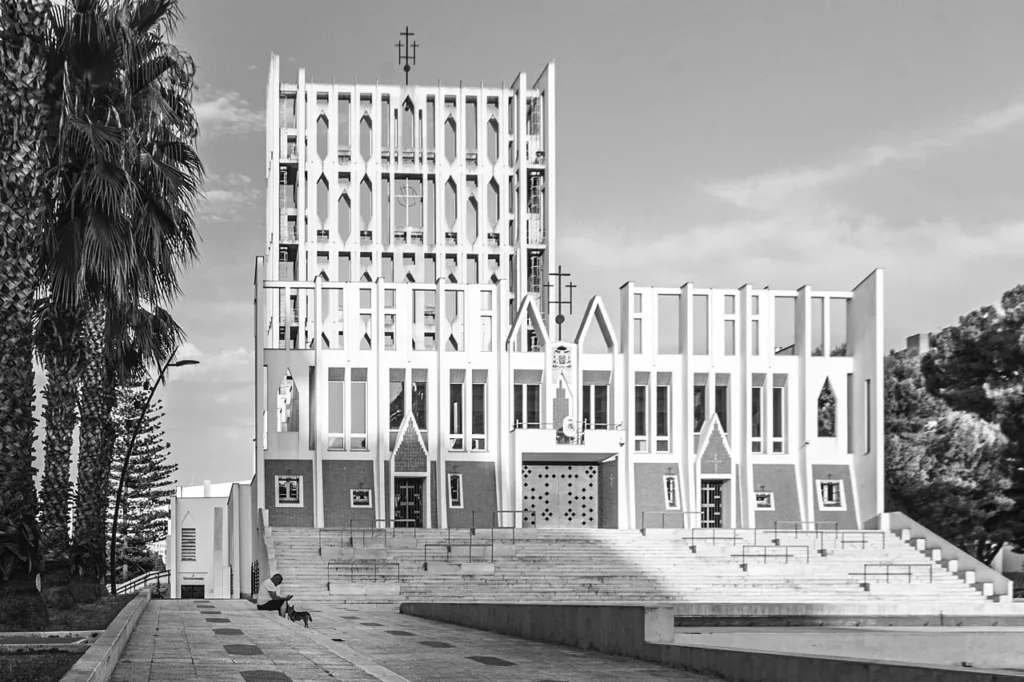
His last great religious work, the co-cathedral of Taranto, built between 1964 and 1970, takes the idea to its limit. Its facade is a great concrete sail forty-one metres high, pierced with openings that let the sky through. In the United States, the Denver Art Museum, opened in the early 1970s, shares the same love of light facades, like folded and perforated paper.
The designer of everything
Ponti designed more or less everything a home can hold. In 1948 he created the La Pavoni coffee machine, styled like a car. For Cassina he conceived the Superleggera, a project dating from 1955. He took inspiration from the Chiavarina, the traditional Ligurian chair found in every Italian dining room, and pared it down to the extreme: a solid ash frame, triangular-section legs eighteen millimetres across, a woven cane seat. The result is one of the most elegant chairs ever produced.
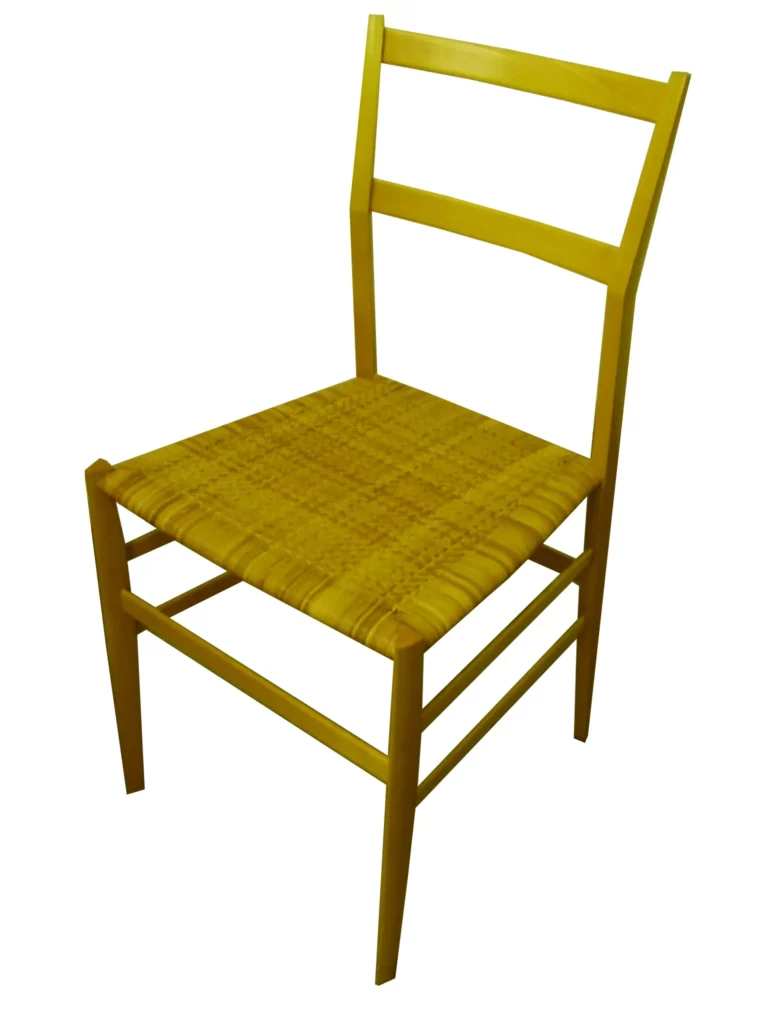
He also designed lighting, cutlery, fabrics, ceramic tiles, mirrors and silverware. He often worked with his friend Piero Fornasetti, whose printed decorations found an ideal playground in his furniture and interiors. Ponti did not believe in austere design: he loved colour, pattern and humour, and thought a home should make you happy.
The decorator, from via Dezza to Sorrento
It is in interiors that Ponti is perhaps most inspiring. In his Milan apartment on via Dezza he invented a space that transforms itself: sliding partitions, furniture fixed to the walls to free the floor, tiles laid on the diagonal to make the room feel larger. He spoke of “furnished windows”, openings fitted with shelves where objects stand out against the view.
In Sorrento, in 1960, he designed the interiors of the Hotel Parco dei Principi, above the Bay of Naples. He created blue and white ceramic tiles, made with Ceramica D’Agostino, varying the patterns so that every room has its own floor. The hotel has become a place of pilgrimage for design lovers, one of those exceptional places worth the journey on their own.
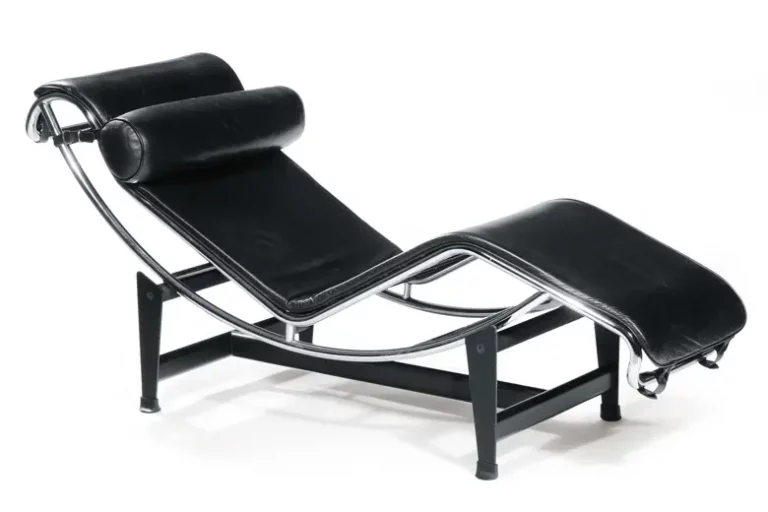
Ponti shares an idea dear to his contemporary Le Corbusier and to Charlotte Perriand: a home is conceived as a whole. But where the French sought rigour, Ponti sought pleasure. His interiors are cheerful, colourful and full of chosen objects, which is exactly what makes them feel so current.
His designs today
Several houses still produce his designs. Cassina continues to make the Superleggera, in natural or lacquered ash, with a cane or upholstered seat. Since 2012 Molteni&C has developed a Gio Ponti collection with the Gio Ponti Archives and the architect’s heirs: armchairs, chairs and tables originally designed for the Montecatini building or the Villa Planchart.
Period pieces are highly sought after. Furniture from the Villa Planchart, pieces made with Fornasetti, Richard-Ginori ceramics and lighting regularly come up at auction and in galleries. As always with a collectible piece, provenance and expert opinion matter as much as the form.
In an interior, Ponti brings what contemporary furniture often lacks: lightness and cheer. A single Superleggera in a dining room is enough to change the mood.
What he left us
Gio Ponti died in Milan on 16 September 1979. He left an immense body of work, which the Musée des Arts Décoratifs in Paris presented from October 2018 to May 2019 in “Tutto Ponti, Gio Ponti archi-designer”, his first major retrospective in France, with more than four hundred pieces and reconstructions of several of his interiors, including via Dezza.
His legacy comes down to a few words: lightness, colour, and the conviction that industry and craft can make beautiful things together. The whole history of post-war Italian design owes him something, from Castiglioni to Sottsass.
To meet the other great figures of the century, our glossary of 20th-century masters and our architecture page carry on the tour.
Frequently asked questions
Why is the Superleggera chair so light?
Gio Ponti pared the traditional Ligurian chair, the Chiavarina, down to the extreme. Its solid ash frame stands on triangular-section legs eighteen millimetres across, and its seat is woven cane. It weighs about 1.7 kilograms, so little that a child can lift it with one finger.
Which Gio Ponti buildings can you see?
In Milan, the Pirelli Tower remains his emblem. In Taranto the co-cathedral is open to visitors, and in Sorrento the Hotel Parco dei Principi still welcomes guests among Ponti’s blue and white tiles. The Denver Art Museum in the United States and the Villa Planchart in Caracas complete the picture.
Who still produces Gio Ponti furniture?
Cassina has made the Superleggera since 1957, and since 2012 Molteni&C has produced a Gio Ponti collection developed with the Gio Ponti Archives. Original pieces can be found at auction and in collectible design galleries.
Resources
Five ways into the world of HART
- 01 Spaces Spaces & materials Interiors, atmospheres and materials that give a place its identity.
- 02 Creators Designers & creators Architects, designers and artists whose vision changed the way we live.
- 03 Craftsmanship Artisans & fine crafts Upholsterers, cabinetmakers, metalworkers, ceramicists: the workshops and the hands behind true excellence.
- 04 Furniture Furniture & interiors Iconic sofas, seating and lighting, read through form, use and comfort.
- 05 Heritage Design history From Gothic to global design, the styles that shaped the art of living.

Andrew Steel est spécialiste du design moderne, de la gestion de chantier et de la menuiserie. Pour HART, il écrit sur le mobilier moderne, le bois et les coulisses des projets d’exception.