


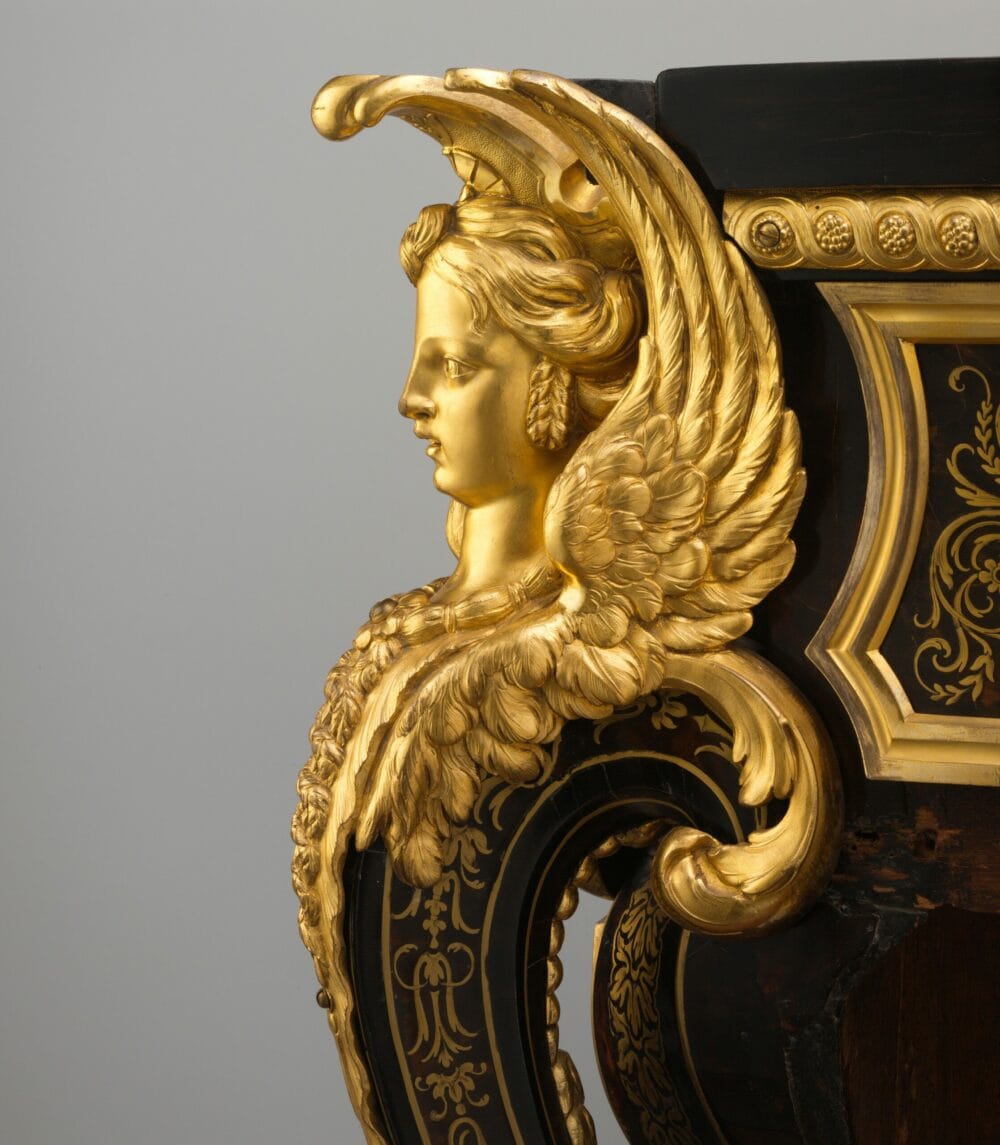
Heritage: History of Design
The Foundations of Design and Art History
Heritage is HART’s comprehensive atlas of styles, visual cultures, and the history of taste.This section is dedicated to the History of Design, approached both through a clear and accessible overview as presented in our History of Design, quickly explained and through more detailed analyses of the major decorative movements that have structured Western and international design history.Heritage aims to examine the visual cultures and stylistic evolutions that have shaped design over time and that continue to inform contemporary aesthetics and high-end interior practices today. Conceived as a foundational resource, it provides historical context, critical references, and conceptual frameworks essential to the study of design and art history.
Here you will find four major pillars: The Big Design History, a synthesis of the History of Classic French & European Decorative Styles, the HART Design Glossary A–Z and the HART Dictionary of Design Icons. Together, they form a mega-guide to the history of art and design, built for future decorators, interior architects and designers.
Use this page as a reference hub when you prepare a client presentation, define a style, write a concept note or sharpen your eye for historical details in a high-end project.
The Big Design History
From baroque salons to the radical gestures of postmodernism, this long-form guide retraces the major aesthetic revolutions that shaped our visual environment and our way of inhabiting space. It offers a chronological overview to position a style, a piece of furniture or a project in its historical context.
Perfect for building a compelling narrative around a concept, preparing a lesson or understanding in depth the links between form, politics, technology and lifestyles.
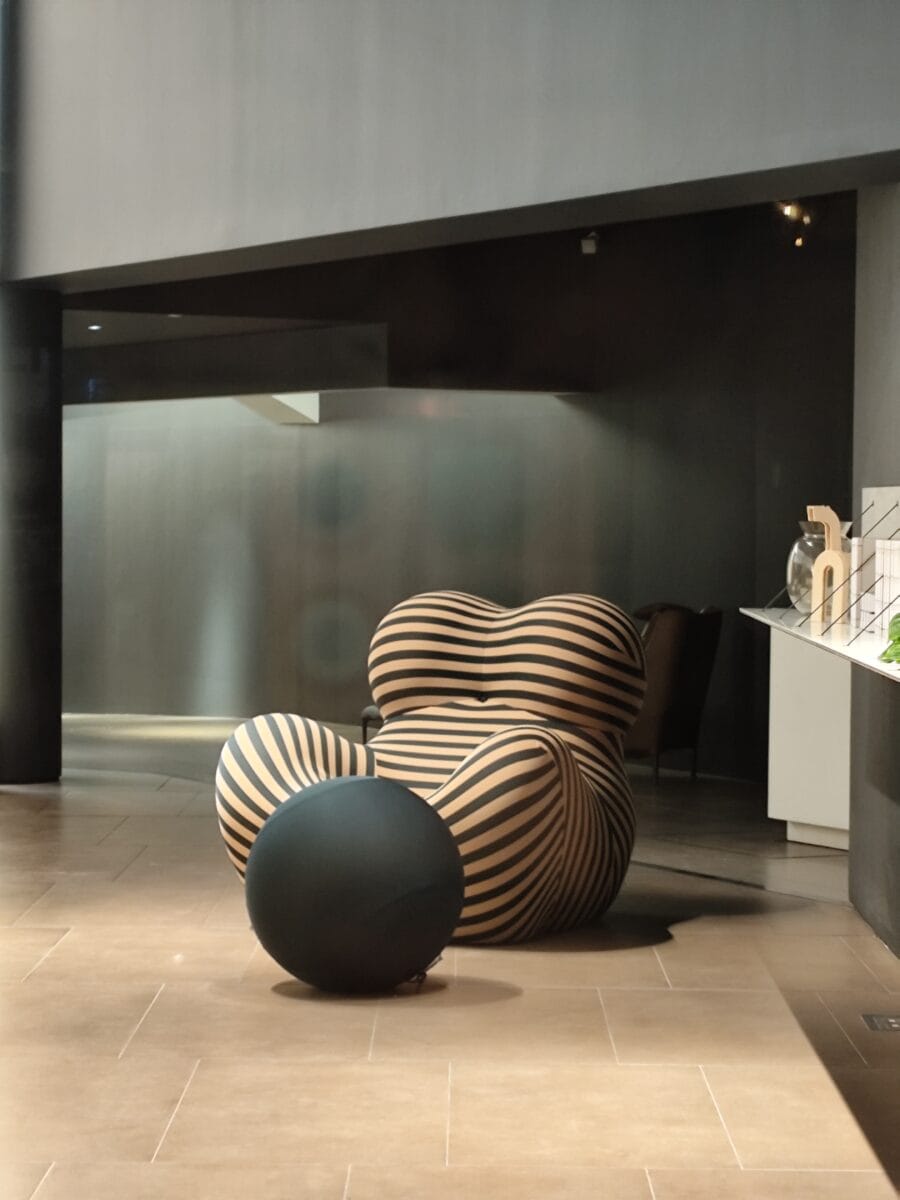
History of Classic French & European Decorative Styles
Empire, Regency, Louis XV, Louis XVI, Art Deco… This guide synthesizes the vocabulary, proportions, motifs and materials that define each major European style. It is the ideal shortcut to evoke a “château” ambiance, revisit classic paneling or avoid pastiche in a heritage-inspired project.
Each chapter helps you recognize key silhouettes, ornamental codes and palettes, so you can reference these styles with precision in a contemporary context.
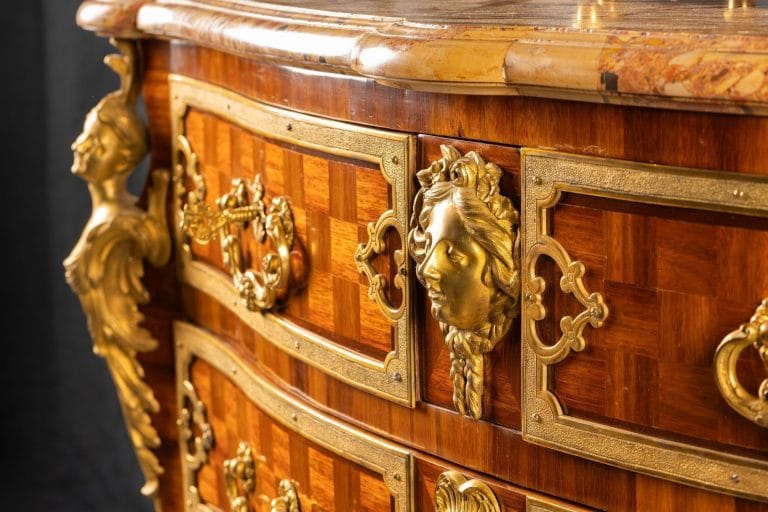
HART Design Glossary A–Z
Saber leg, caning, patina, passementerie, marquetry… The HART Design & Decoration Glossary clarifies the technical and stylistic terms used by workshops, editors and high-end interior professionals, so your vocabulary matches the level of your projects.
Make it your go-to reference when writing a precise product sheet, an exacting press release or explaining a detail to a client who cares as much about accuracy as aesthetics.
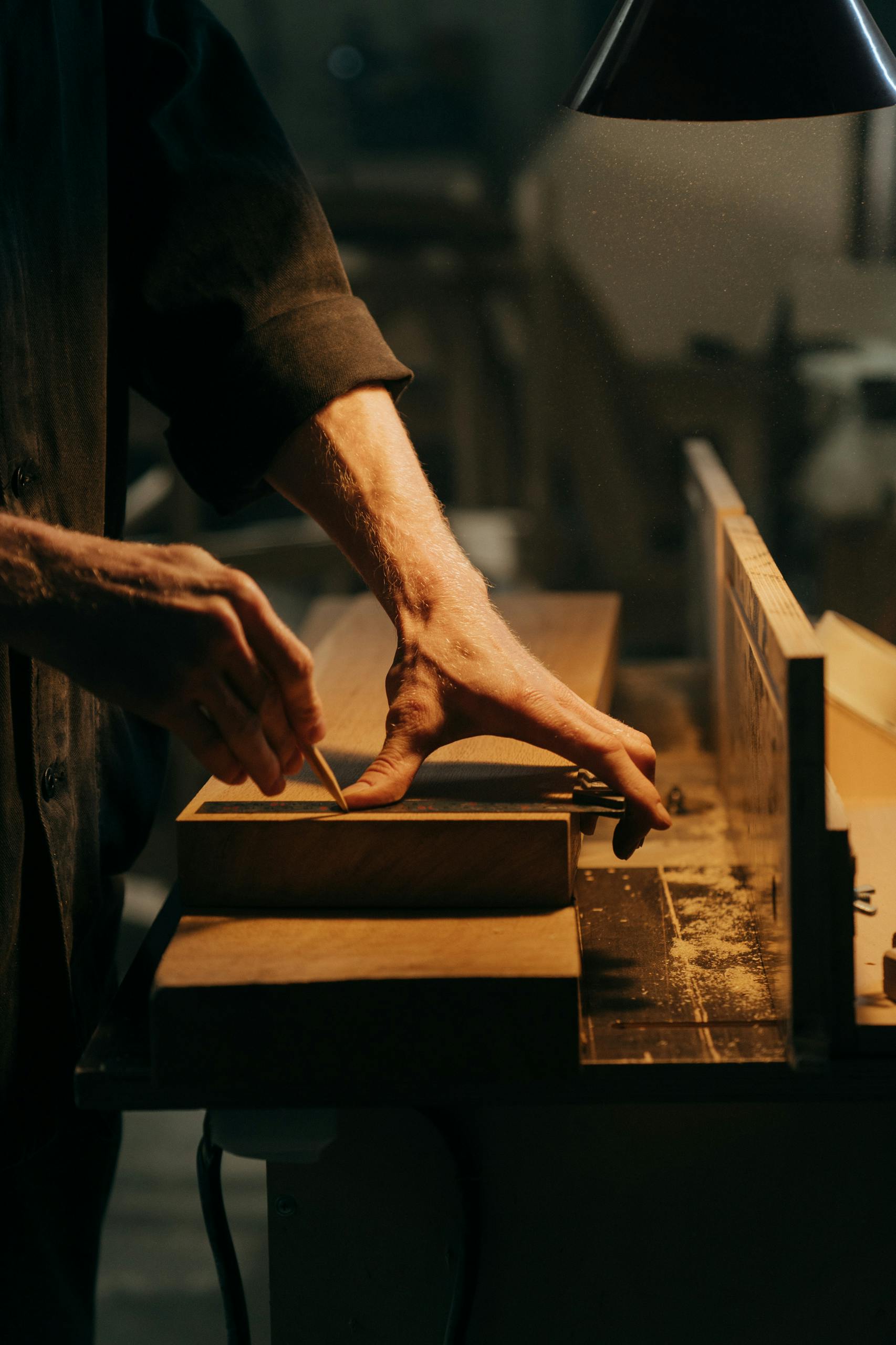
HART Dictionary of Design Icons
The HART Dictionary of Design Icons gathers the great names of design and decoration: visionary architects, furniture designers, lighting pioneers, textile masters and radical studios that changed the way we live with objects.
A quick, editorial entry point to connect a piece, a brand or an atmosphere to the creative mind behind it – and to speak the language of collectors, institutions and serious design lovers.
A journey through the centuries
Beyond these four fundamental guides, Heritage also explores major decorative periods through dedicated categories. Each century gathers long-form articles, case studies, inspiration and historical narratives you can directly use for projects, research or teaching.
- 18th century — Rococo, Neoclassicism and the golden age of European decorative arts.
- 19th century — Eclecticism, Empire, Arts & Crafts and early industrial upheavals.
- 20th century — Modernism, Bauhaus, Memphis, postmodernism and radical aesthetics.
Each period has its icons, manifestos and contradictions. Heritage makes these stories legible and visual, turning design history into a living source of creativity for today’s interiors.
Latest “Heritage” articles
Continue exploring with the latest articles published in the Heritage section: style guides, historical deep dives, portraits of movements and key moments in design history.
Minimalism (1990-2010): When “Less is More” Becomes a Global Manifesto
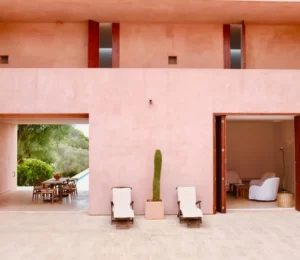
At the turn of the 1990s, in a world saturated with postmodern ornamentation and decorative excess, a silent revolution was taking place. In Manhattan lofts, Tokyo galleries, and London studios,…
Memphis Group (1981-1987): when Ettore Sottsass dynamited the codes of modern design
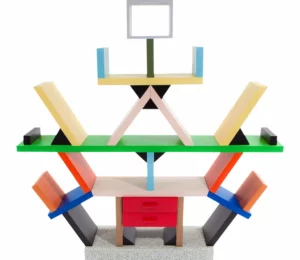
On September 18, 1981, in a Milanese showroom in the fashion district, an aesthetic bomb exploded. The first collection of the Memphis Group astonished, shocked, and fascinated: furniture in garish…
The Renaissance Style (1495-1600)
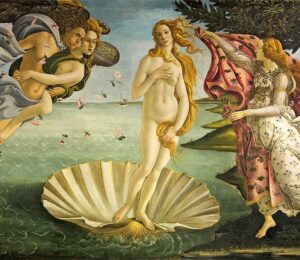
The Renaissance stands in continuity with the Gothic style while laying the foundations for the great French classical styles of the 17th century, notably the Louis XIII style. What’s Renaissance…
The French Regency style (1715-1723): the (french) transitional style between Louis XIV and Louis XV
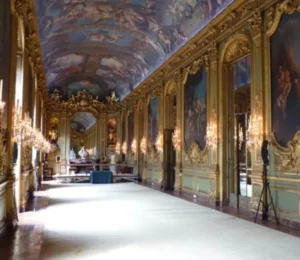
This silent but decisive revolution transforms our conception of French elegance. The first Régence curves already outline the future of rococo and Louis XV aesthetic, while the last Louis XIV…
Interior Design in the Digital Age (1990–2026): Styles, Furniture, and an Aesthetic Revolution
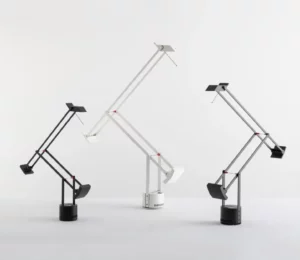
What is Interior Design in the Digital Age (1990–2026)? The rise of digital design since the 1990s has not only transformed our interfaces and screens. It has reshaped how we…
The Biedermeier Style (1815–1848)
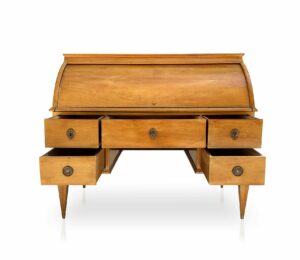
Introduction The Biedermeier style embodies the refined bourgeois elegance of Central Europe in the early nineteenth century. Between 1815 and 1848, across German-speaking regions (Austria, Southern Germany, and Bohemia) a distinctive…
Atollo by Vico Magistretti : the story behind the lamp

Why the Atollo, born in 1977, is still an absolute icon? There are lamps that you replace. And then there’s the Atollo. An icon of Italian design created in 1977…
Good Design Movement: The quest for democratic design
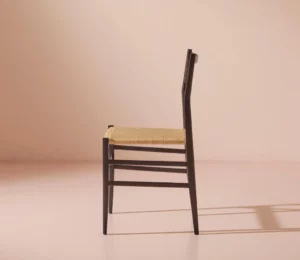
New York, 1950. The Museum of Modern Art inaugurates its first “Good Design” exhibition, organized by Edgar Kaufmann Jr. In the MoMA galleries, Scandinavian furniture, Japanese objects, and American ceramics…
Mid-Century Modern (1945-1965): The American Golden Age
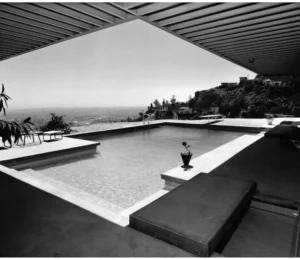
The Mid-Century Modern movement (1945-1965) emerged in post-war America as a celebration of optimism, innovation, and democratic design. Born from the convergence of Bauhaus principles, Scandinavian simplicity, and American industrial…
Art Deco: History, Creators and Legacy of a Universal Style
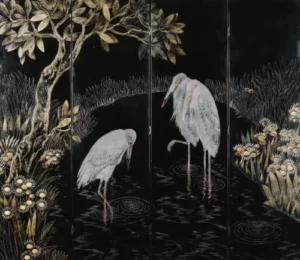
Paris, 1925. The International Exhibition of Decorative Arts and Modern Industries unveiled a revolutionary aesthetic language to the world. Gone were the vegetal curves of Art Nouveau, replaced by geometric…
Radical Design: Italian Anti-Design (1960–1975)

In the late 1960s, something shifted in Italy. A generation of young designers and architects grew tired of good taste, of functional objects, of design in the service of consumption….
Brutalism: An Architecture of Raw Concrete and Social Ambitions

Brutalism, an emblematic architectural movement of the second half of the 20th century, continues to fascinate and divide nearly sixty years after its first stirrings. Characterized by the massive use…
Less is a Bore”: How Postmodernism Set Design Free (1970–2000)

What is Postmodernism? Postmodernism emerged as an intellectual and cultural movement during the 1960s and 1970s, positioning itself as a reaction against modernity and its certainties. Its influence spans philosophy,…
High-Tech Design: when technology becomes an aesthetic language
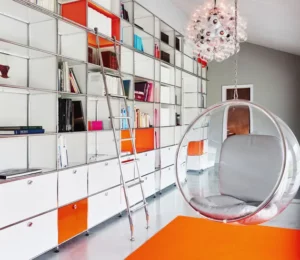
Between the oil shocks of the 1970s and the technological euphoria of the late 1980s, an aesthetic revolution transformed architecture and design: the High-Tech movement elevated technology into a creative…
Italian Design (1950–1980): a creative age of Dolce Vita

When Milan Reinvents Daily Life Through Industrial Beauty Milan, 1954. In the workshops of Via Durini, Gio Ponti contemplates a Chiavari peasant chair that is one hundred and fifty years…
Traditional Scandinavian Design: The Nordic Art of Living
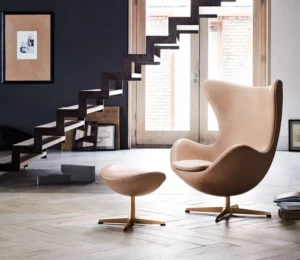
Traditional Scandinavian design embodies much more than just a decorative style: it reveals a philosophy of life deeply rooted in Nordic culture. Born of the encounter between rigorous climatic constraints,…
Bauhaus: The German School That Shaped Modern Design

The Bauhaus was born in 1919 in a Germany devastated by World War I. Founded by architect Walter Gropius, this revolutionary school aimed to reconcile art and industry to rebuild…
The Grand History of Design: A Mirror of Civilizations Through the Ages

Did you know that the color mauve was considered revolutionary in 1856? That a simple Colgate toothpaste tube forever changed our relationship to hygiene? That Steve Jobs drew inspiration from…
Ulm school: The methodological revolution of design (1953-1968)
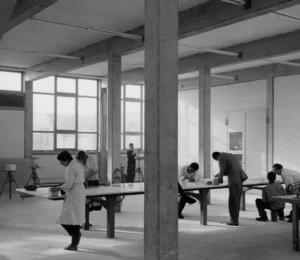
Ulm, Germany, 1953. On a hill overlooking the city, Max Bill inaugurates the Hochschule für Gestaltung (HfG Ulm), a design school that aims to reconnect with the legacy of the…
Plastic Freedom: The Design Revolution of the 1960s

196O: a new (design) Revolution is coming… The organic design movement experienced a significant boom in the late 1950s, building upon the pioneering work of figures like Eero Saarinen. The…
Russian Constructivism: When Art Meets Revolution

Moscow, 1917. While Parisian Art Deco celebrated the luxury of the interwar period and Dutch De Stijl pursued pure abstraction, the October Revolution shook Russia and gave birth to one…
Cranbrook Academy: America’s Modern Design Laboratory

Bloomfield Hills, Michigan, 1932. While the Great Depression paralyzes America and Streamline Moderne begins transforming the American industrial landscape, Finnish architect Eliel Saarinen founds an institution that will revolutionize American…
De Stijl: The Dutch Movement That Revolutionized Abstract Art
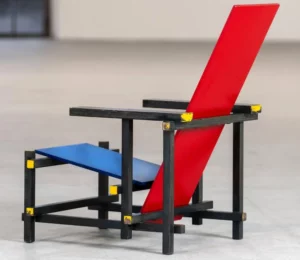
Amsterdam, 1917. While Art Deco triumphed in Paris with its geometric ornaments and refined luxury, a group of Dutch artists and architects chose a radically opposite path. In a Europe…
Streamline Moderne: The Golden Age of American Industrial Design (1930-1950)

New York, 1933. The “Century of Progress” World’s Fair in Chicago celebrated American technological progress at the heart of the Great Depression. While Europe sank into political tensions and Russian…
Le Corbusier, the Essential French Architect
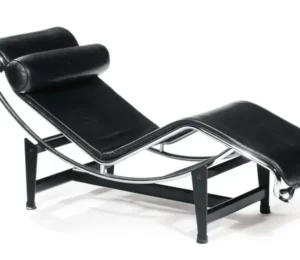
Le Corbusier Paris, 1925. Dans son atelier de la rue de Sèvres, Charles-Édouard Jeanneret, dit Le Corbusier, dessine l’avenir de l’architecture moderne. Révolutionnaire suisse naturalisé français, cet homme au nœud…
Organic Design, The Art of Harmonizing Nature and Functionality
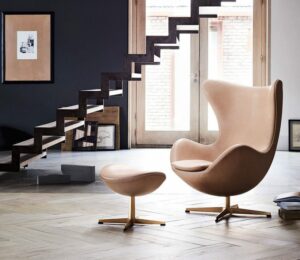
Modern design, minimalist design, or organic design: these decorative vocabulary terms may seem vague, but they reveal distinct philosophies. Organic design, an artistic movement born in the 1950s, revolutionizes our…
Art Nouveau: Early 1900’s iconic style
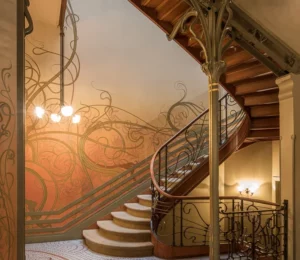
1900 – “The fire ignites in the spirit” – Le Corbusier A creative fire indeed: one that swept across Europe, taking root in England as Modern Style, in France as…
Global Design (2010-2025): When Creativity Becomes Simultaneously Globalized and Localized

Global design in the history of contemporary design Global design emerges in the 2010s as creative response to a paradox: increasing globalization of exchanges and simultaneous resurgence of local identities….
Design Thinking (2000–2025): From an Innovation Method to a New Design Culture

Design thinking in the history of contemporary design Design thinking emerges at the turn of the millennium not as a visual style but as a methodological revolution. While eco-design (2000-2025)…
What Is the Chippendale Style? British Furniture and Elegance (1750–1780)
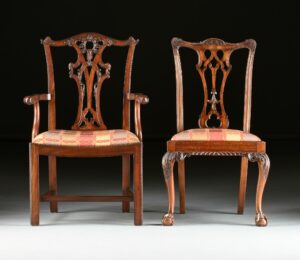
The Chippendale style emerged in England around 1750, at a time when the rococo refinement of French Louis XV still dominated Europe, while the Anglo-Saxon world was already beginning its…
Gothic Style: The Art of Divine Light (1150-1500)

Introduction Gothic style emerges in the mid twelfth century as an architectural and decorative revolution unlike anything Europe had seen before. Around 1140, Abbot Suger rebuilds the choir of the…
Directoire Style: part of French Revolution
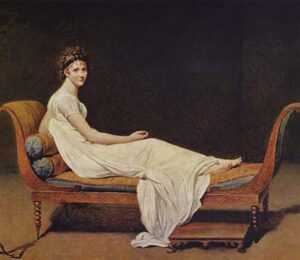
Do You Know the Directoire Style? Do you know the Directoire style? This transitional period sits historically between the French Revolution and the Consulate. It marks the revival of French…
The Arts and Crafts Movement: A Return to Authentic Craft (1880–1920)
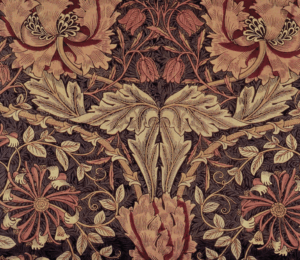
Le Mouvement Arts & Crafts : Quand l’Artisanat Défie l’Industrie Le mouvement Arts & Crafts révolutionne l’art occidental en opposant l’authenticité artisanale à la production industrielle et la beauté humaine…
Transition Style: Early Neoclassicism (1750-1770)
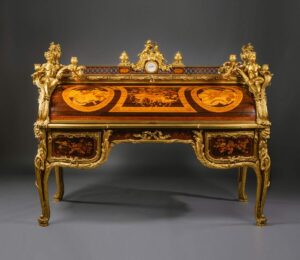
The Transition style is neither an official “period style” nor a movement with a manifesto.It belongs to no single reign. Instead, it names a moment in French taste, right at…
The Louis XIII style (1610-1643)
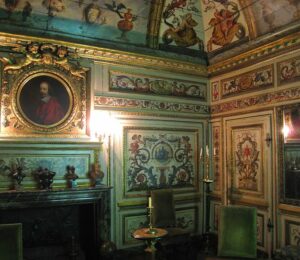
The Louis XIII style (1610–1643) marks a pivotal moment when France moves beyond the decorative legacy of the Renaissance to lay the foundations of 17th-century classicism. More structural than ornamental,…
Louis-Philippe Style: The Bourgeois Art of Living (1830–1848)
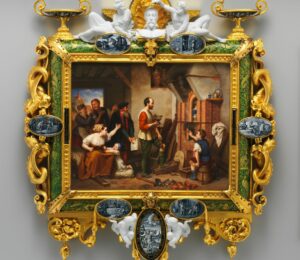
The Louis-Philippe style (1830–1848) is the first French decorative language truly shaped for the modern bourgeois home. It favours comfort, practicality, and restrained elegance, stepping away from the theatrical display…
Victorian Style: The British Art of Living (1837–1901)
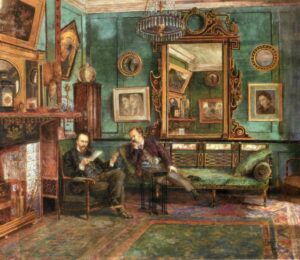
Victorian Style: When England Dominated Global Decorative Arts Victorian style revolutionized Western art by establishing British hegemony and the flourishing of decorative industry. This aesthetic revolution reflects the expansion of…
The Restoration Style: France Reinvents Its Heritage (1814–1830)

The Restoration style revolutionised Western art by marking the return of the monarchy and a reconciliation with the French heritage. This aesthetic renaissance reflects the political evolution of post-Napoleonic French…
Understanding Louis XIII Style: The Dawn of French Grandeur (1610-1643)
The Louis XIII style is a French decorative, furniture, and architectural style developed between 1610 and 1643. It marks the transition from late Renaissance forms to a more architectural, rational,…
Understanding the Louis XIV Style
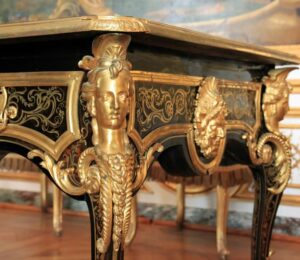
Between the constructive rigor of Louis XIII style and the decorative softening of Regency style, Louis XIV style (1643–1715) imposes a monumental classicism in service of power. Louis XIV style…
Louis XVI Style: The Art of Neoclassical Living (1774-1792)
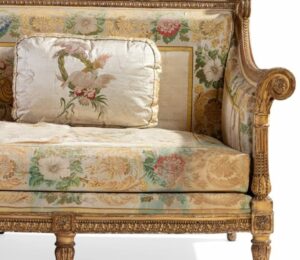
The Louis XVI style (1774–1792) continues the Transition style, stabilizing the return to Classical antiquity, while heralding the Directoire style, which would extend its rigor and symmetry in a radically…
The Louis XV Style: When France Invented the Art of Living
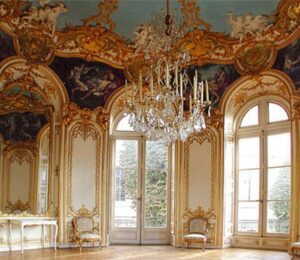
The Louis XV style (1723–1774) stands between the Régence style, from which it inherits a progressive softening of forms, and the Transition style, which gradually restrains its curves to announce…
Empire Style: History, Furniture and Decoration (1804–1815)
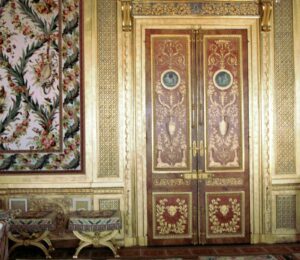
Post-Revolutionary style, the Directoire marks a break with the aristocratic elegance of Louis XVI and lays the severe foundations for the future Empire style. Do You Know the Directoire Style?…
Consulate Style: The French Art of Refined Creation (1799–1804)
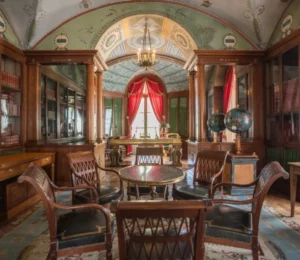
Between the Directoire and the Empire, the Consulate style (1799–1804) established a tempered neoclassical sobriety: forms became purer, lines straightened, but without yet tipping into imperial monumentality. The furniture favored…
The Napoleon III Style : Splendor and Innovation in the Second Empire
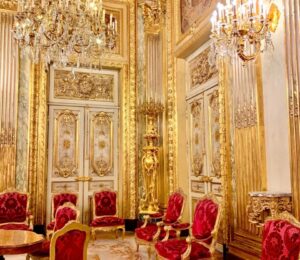
Do you know the Napoleon III style? Do you know the Second Empire style, also known as Napoleon III? This French decorative style is historically positioned after the Louis-Philippe style…
For editors, institutions, teachers & students
Developing a collection inspired by a historical style? Teaching design history or decorative arts? Preparing an exhibition, editorial project or cultural program around decorative heritage?
HART can support you with editorial partnerships, content curation, targeted research and expert dossiers on design history and its contemporary reinterpretations.