20 iconic cocooning armchairs, from egg chairs to bubble seats, pod lounges and beyond…
|

20 iconic cocooning armchairs, from egg chairs to bubble seats, pod lounges and beyond…

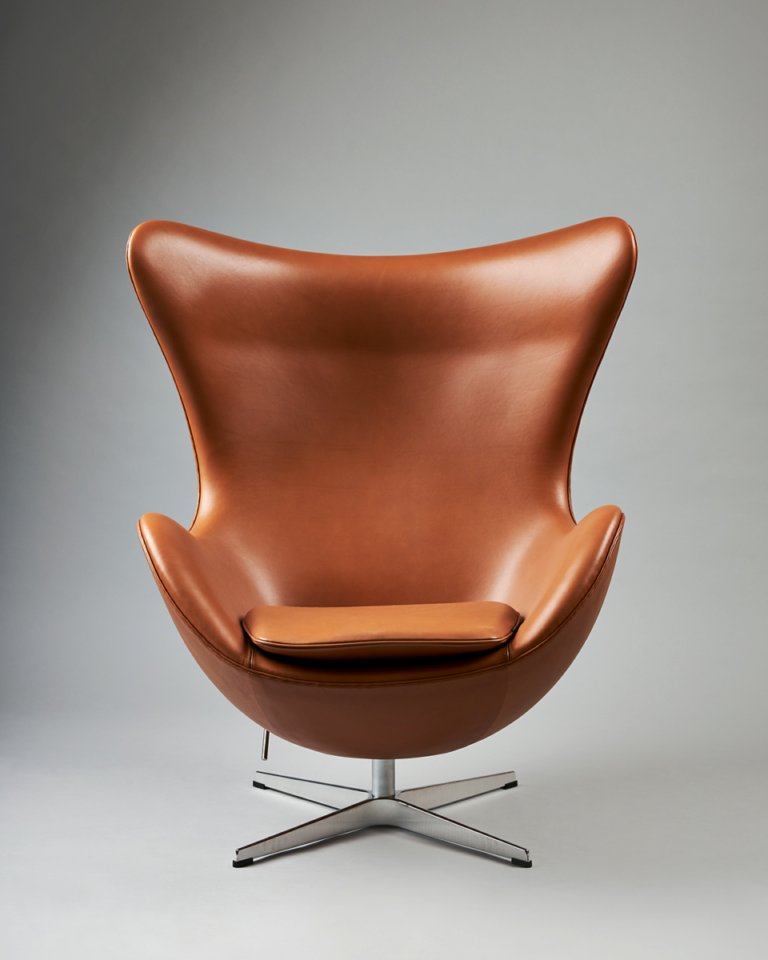
Cocoon, egg, bubble and capsule chairs vintage or contemporary The egg chair embodies the very essence of organic design and the spirit of the 1960s. With its enveloping forms and futuristic appearance inspired by the Space Age, this iconic seat has fascinated for over six decades. Passionate about designer furniture, I have always been captivated…

The French Regency style (1715-1723): the (french) transitional style between Louis XIV and Louis XV
|

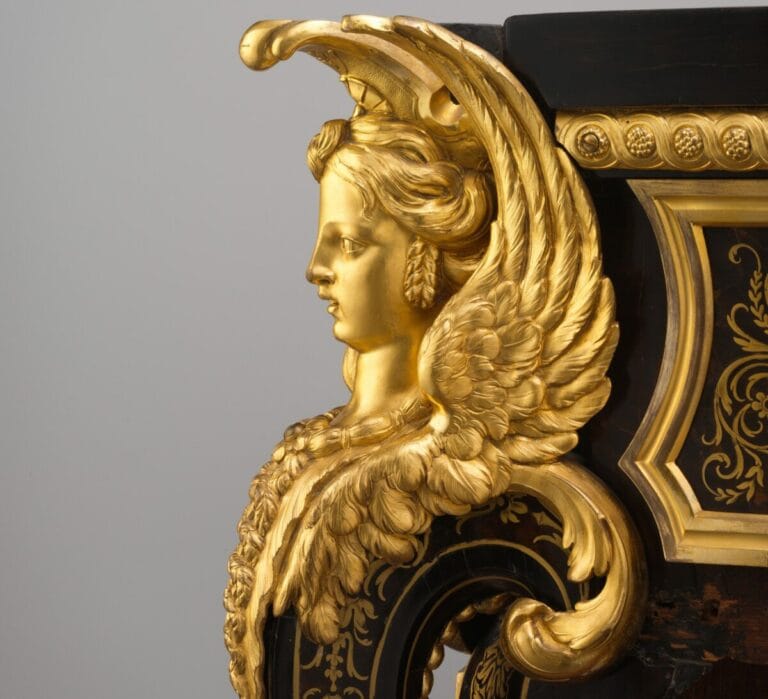
The French Regency style (1715-1723): the (french) transitional style between Louis XIV and Louis XV

The Regency Style: When France breaks free from Versailles This silent but decisive revolution transforms our conception of French elegance. The first Régence curves already outline the future of rococo, while the last Louis XIV symmetries testify to a still-present past. The Regency style “Régence” in french, revolutionizes Western art by marking the transition between…

Mid-Century Modern (1945-1965): The American Golden Age
|

Mid-Century Modern (1945-1965): The American Golden Age

Los Angeles, 1949. In the hills of Pacific Palisades, Charles and Ray Eames complete their Case Study House #8, an architectural manifesto of postwar America. Steel, glass, and vibrant colors assemble into a lightweight structure open to the California landscape. While Europe laboriously rebuilds and the Bauhaus dissolves into emigration, America invents a new aesthetic…

Radical Design: Italian Anti-Design (1960–1975)

Radical Design: Italian Anti-Design (1960–1975)

Florence, 1966. A group of young Italian architects found Archizoom Associati and begin producing provocative projects that question every certainty of modern design. While Good Design champions rationality and the Ulm School systematizes methodology, an Italian avant-garde radically rejects functionalism. Radical Design emerges—oppositional, conceptual, provocative. This movement, which dominates Italy from 1966 to 1975, does…

Ulm school: The methodological revolution of design (1953-1968)
| |

Ulm school: The methodological revolution of design (1953-1968)

Ulm, Germany, 1953. On a hill overlooking the city, Max Bill inaugurates the Hochschule für Gestaltung (HfG Ulm), a design school that aims to reconnect with the legacy of the Bauhaus closed by the Nazis in 1933. But Ulm will not be a simple resurrection: it will radicalize the rationalist approach, develop a scientific methodology…

Le TWA Flight Center (JFK) déploie une coque en béton jet-age et des courbes intérieures spectaculaires.
|

Cranbrook Academy: America’s Modern Design Laboratory

Bloomfield Hills, Michigan, 1932. While the Great Depression paralyzes America and Streamline Moderne begins transforming the American industrial landscape, Finnish architect Eliel Saarinen founds an institution that will revolutionize American design: the Cranbrook Academy of Art. Far from the New York or California metropolises, in the affluent suburbs of Detroit, this school invents a unique…

De Stijl: The Dutch Movement That Revolutionized Abstract Art
|

De Stijl: The Dutch Movement That Revolutionized Abstract Art

(POST IN PROGRESS) Amsterdam, 1917. While Art Deco triumphed in Paris with its geometric ornaments and refined luxury, a group of Dutch artists and architects chose a radically opposite path. In a Europe torn apart by World War I, they founded a magazine that would give its name to one of the most radical movements…

Streamline Moderne: The Golden Age of American Industrial Design (1930-1950)
| |

Streamline Moderne: The Golden Age of American Industrial Design (1930-1950)

New York, 1933. The “Century of Progress” World’s Fair in Chicago celebrated American technological progress at the heart of the Great Depression. While Europe sank into political tensions and Russian Constructivism faded under Stalin, America invented a radically new visual language: Streamline Moderne. This style, which would transform everything – from toasters to locomotives, from…

Empire Style: History, Furniture and Decoration (1804–1815)
|

Empire Style: History, Furniture and Decoration (1804–1815)

Do you know the Empire style? Do you know the Empire style? This French decorative style is historically situated after the Directoire style and before the Restauration style. It corresponds to the reign of Napoleon Bonaparte (Napoleon I) and marks the peak of French decorative art in the early 19th century. It should not be…