
Wave Architecture: Immersion in the Heart of Diango Hernández’s Aesthetic
Born in Cuba and trained in industrial design, Diango Hernández paints pools and tiles. Inside Olaismo, an aesthetic of water, utopia and memory.

 English
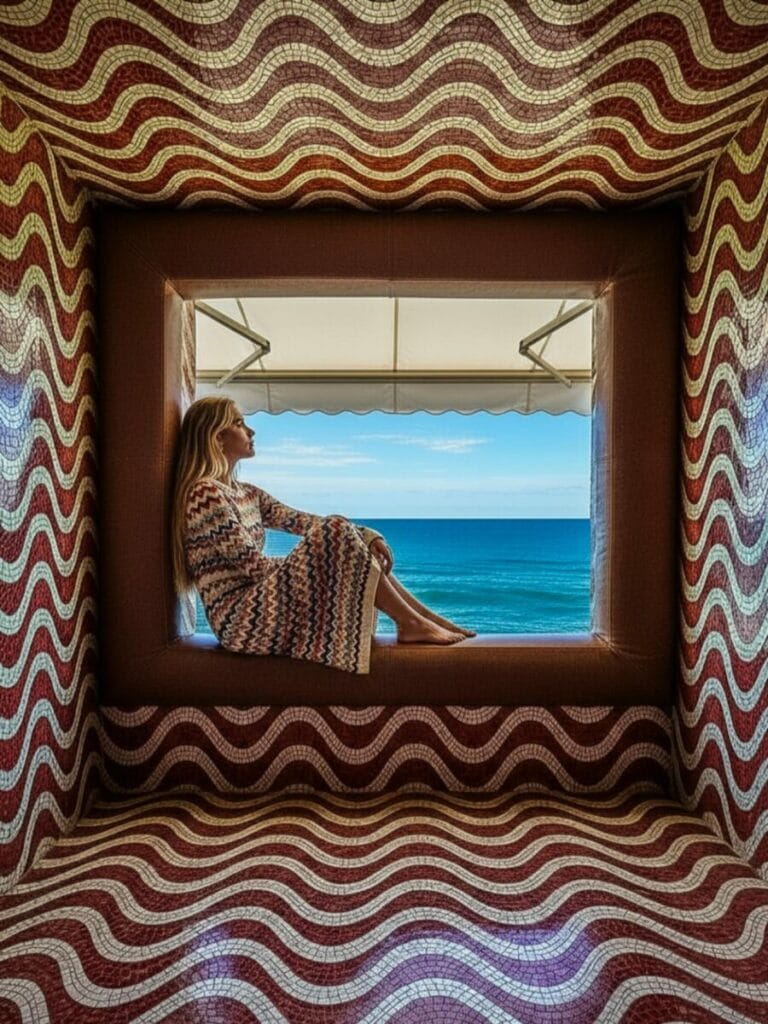
Born in Cuba and trained in industrial design, Diango Hernández paints pools and tiles. Inside Olaismo, an aesthetic of water, utopia and memory.
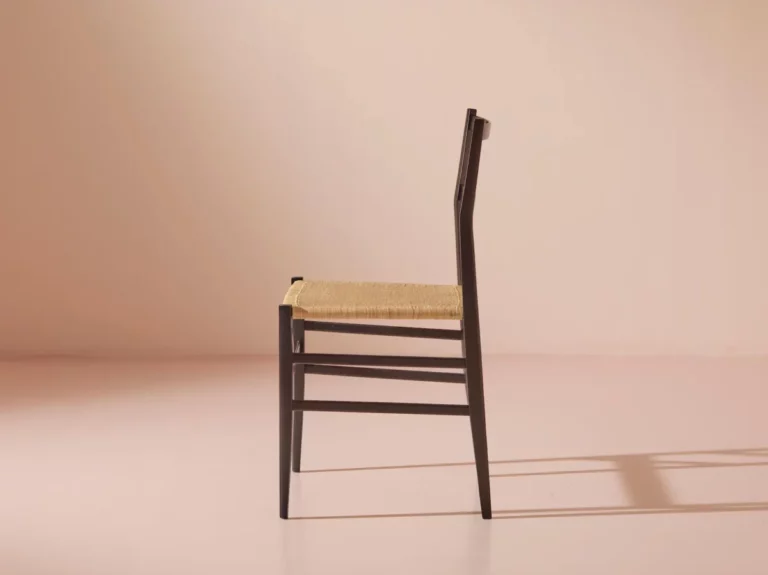
New York, 1950. The Museum of Modern Art inaugurates its first “Good Design” exhibition, organized by Edgar Kaufmann Jr. In the MoMA galleries, Scandinavian furniture, Japanese objects, and American ceramics coexist according to a single criterion: the intrinsic quality of design, regardless of price or prestige. While Mid-Century Modern celebrates American prosperity and Europe rebuilds,…
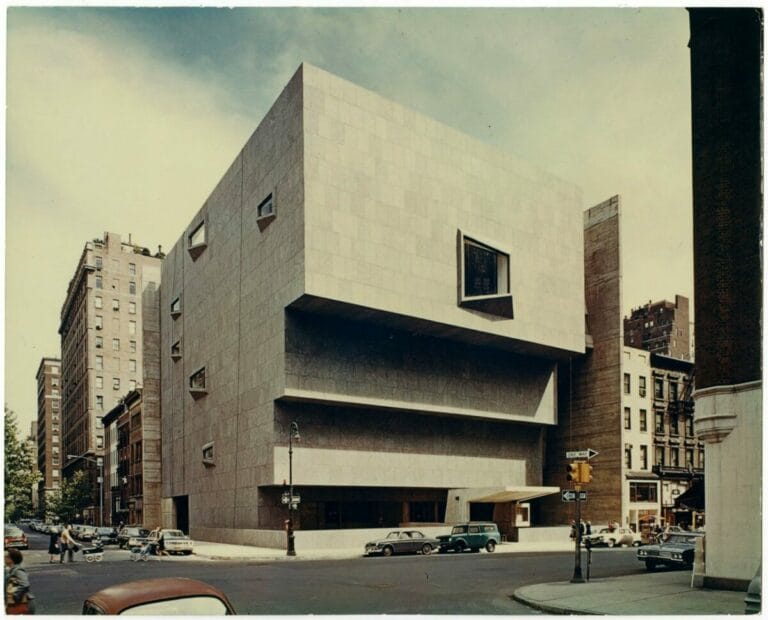
Dessau, 1925. A young carpentry master at the Bauhaus rides his new Adler bicycle through town and keeps looking down at the handlebars. If a factory could bend steel tube that lightly and that strongly, why not a chair? Within months, Marcel Breuer (1902-1981) had built one of the first pieces of furniture in bent…
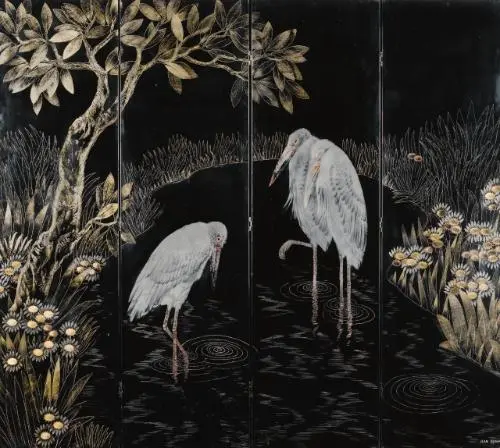
Paris, 1925. The International Exhibition of Decorative Arts and Modern Industries unveiled a revolutionary aesthetic language to the world. Gone were the vegetal curves of Art Nouveau, replaced by geometric lines, precious materials, and assumed modernity. Art Deco was born, carrying the optimism of an era fascinated by speed, technological progress, and urban elegance. Art…
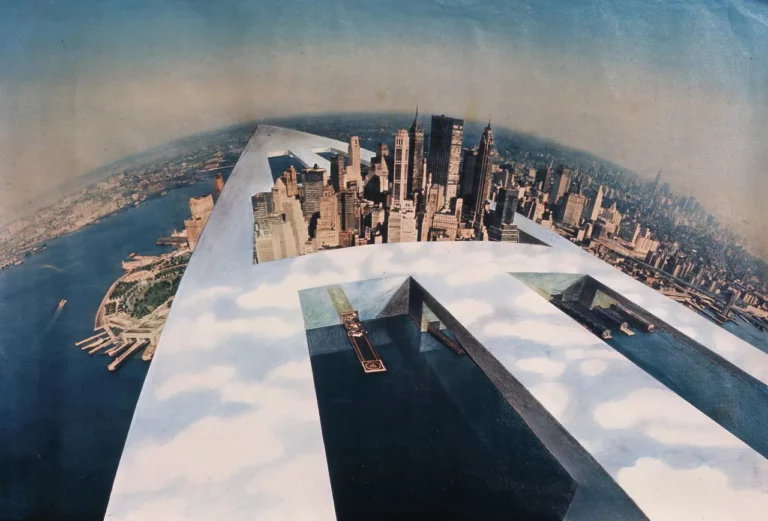
In the late 1960s, something shifted in Italy. A generation of young designers and architects grew tired of good taste, of functional objects, of design in the service of consumption. They wanted to provoke, to question, to imagine otherwise. From Florence emerged groups like Archizoom, Superstudio and UFO. Their work was strange, often unbuildable, sometimes…
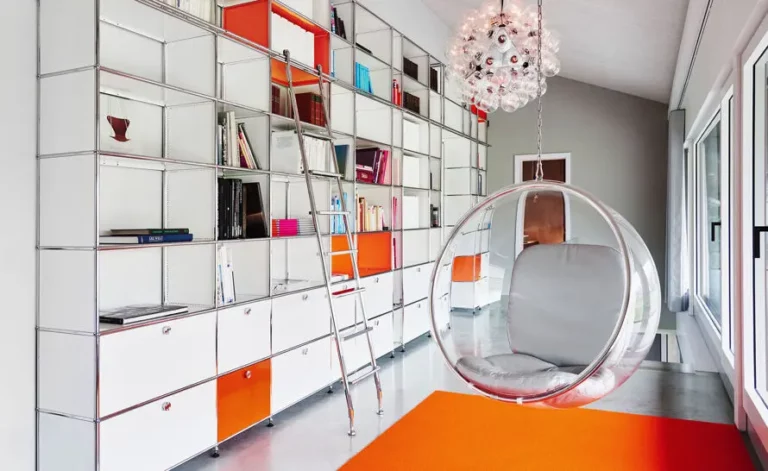
Between the oil shocks of the 1970s and the technological euphoria of the late 1980s, an aesthetic revolution transformed architecture and design: the High-Tech movement elevated technology into a creative manifesto. Far from concealing pipes, wiring, or metal structures behind decorative cladding, this radical avant-garde proudly exposed them, transforming infrastructure into ornament and technical performance…
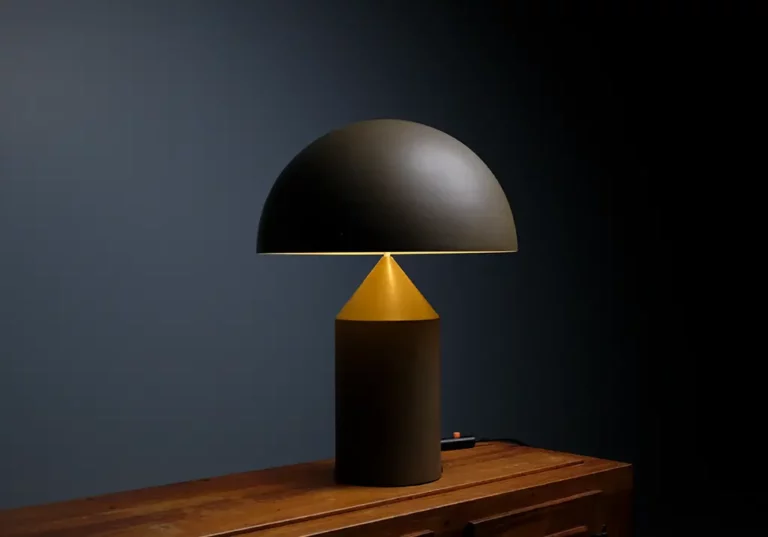
When Milan Reinvents Daily Life Through Industrial Beauty Milan, 1954. In the workshops of Via Durini, Gio Ponti contemplates a Chiavari peasant chair that is one hundred and fifty years old. Around him, Italy is rising from its ashes with a vigor that astonishes all of Europe. That afternoon, Ponti decides to reinvent this anonymous…
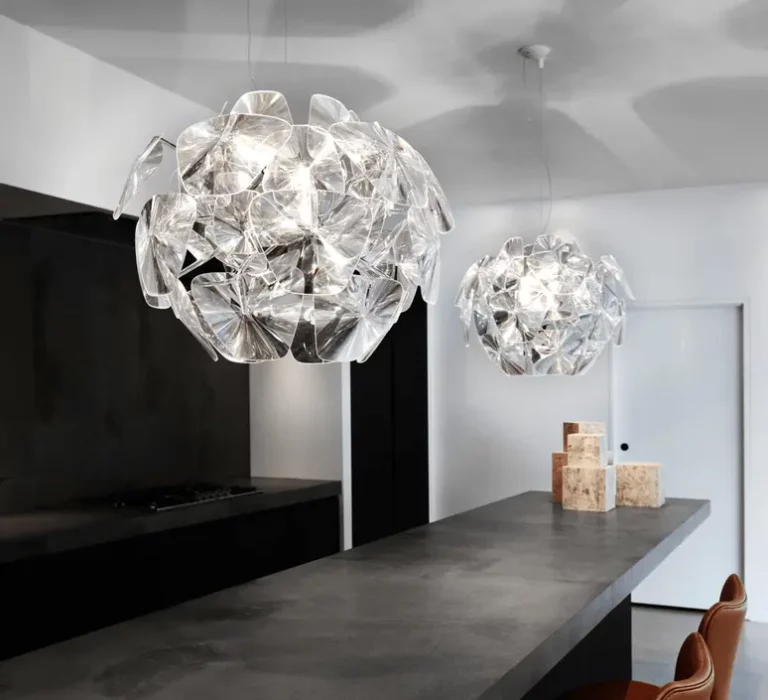
Flos, Artemide, Louis Poulsen, Baccarat, Lindsey Adelman: the luxury lighting houses to know from A to Z, with their iconic lamps and signature styles.
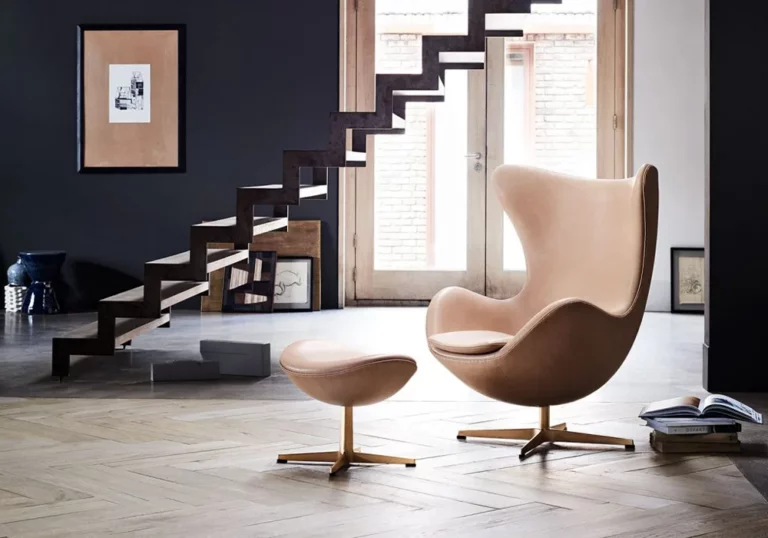
Traditional Scandinavian design embodies much more than just a decorative style: it reveals a philosophy of life deeply rooted in Nordic culture. Born of the encounter between rigorous climatic constraints, ancestral craft heritage and social-democratic ideals, this aesthetic movement has conquered the world with its elegant simplicity, exemplary functionality and warm humanism. From Sweden to…
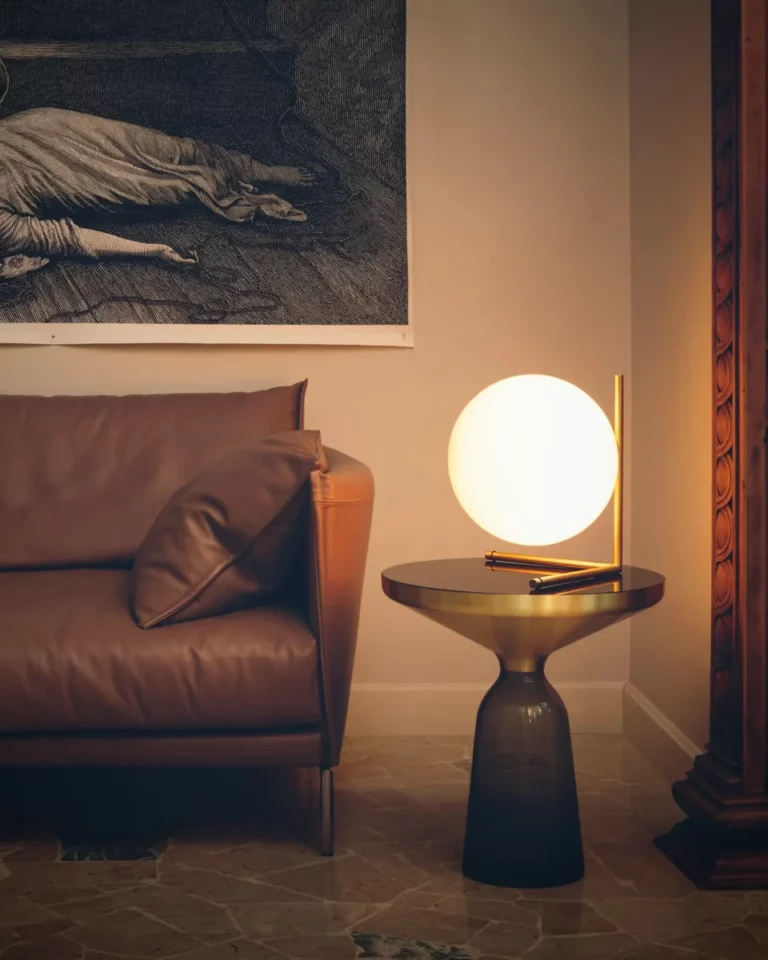
Discover the publishers who shaped the art of contemporary lighting From Italian legends to eccentric visionaries, this guide presents the houses that transform light into works of art. Each brand possesses its unique DNA, history, and contribution to lighting design evolution. The Italian Legends Italy revolutionized lighting design in the 1950s-60s, transforming the simple bulb…
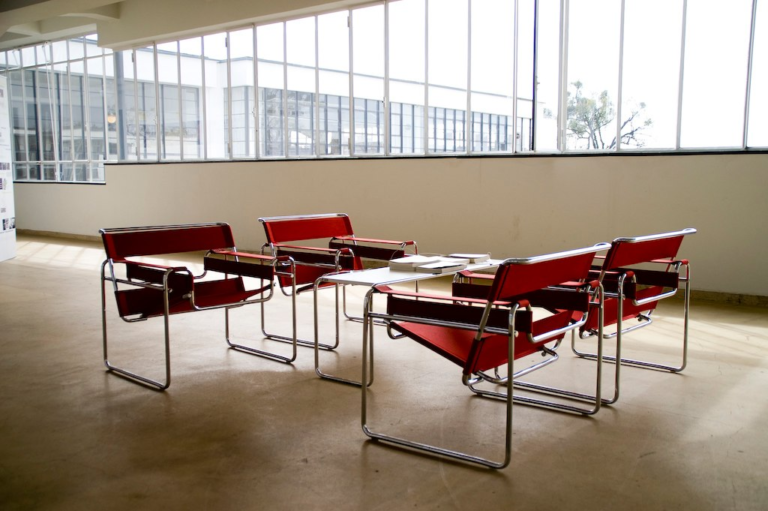
The Bauhaus was born in 1919 in a Germany devastated by World War I. Founded by architect Walter Gropius, this revolutionary school aimed to reconcile art and industry to rebuild a modern and democratic world. Despite its forced closure by the Nazis in 1933, the Bauhaus left an indelible mark on the history of design,…
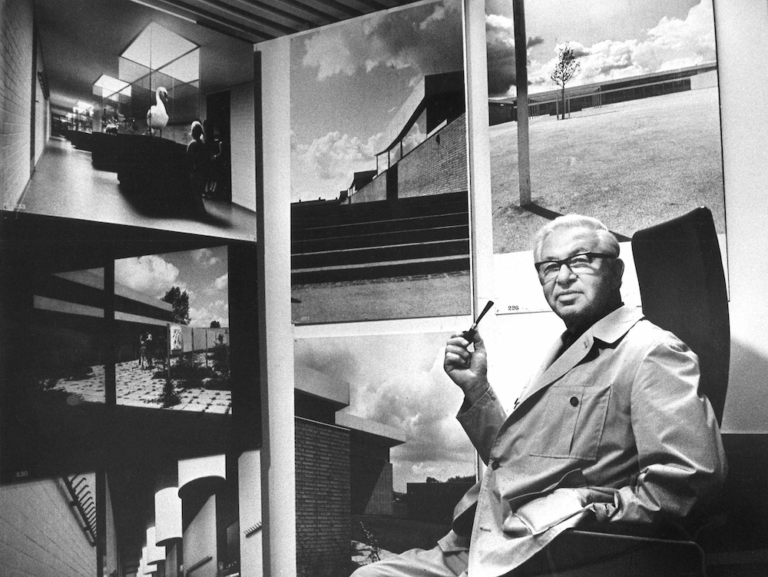
Arne Jacobsen: The History of Danish Design In the hushed lobby of Copenhagen’s SAS Royal Hotel in 1960, a silent revolution takes place. Travelers discover for the first time furniture with unprecedented organic forms, sculpted like protective cocoons in the bustle of the modern world. These revolutionary creations bear the signature of Arne Jacobsen (1902-1971),…
End of content
End of content
We use cookies to measure our audience and improve your reading experience. You can accept, refuse or set your preferences, and change your choice at any time.