Bauhaus: The German School That Shaped Modern Design
|

Bauhaus: The German School That Shaped Modern Design

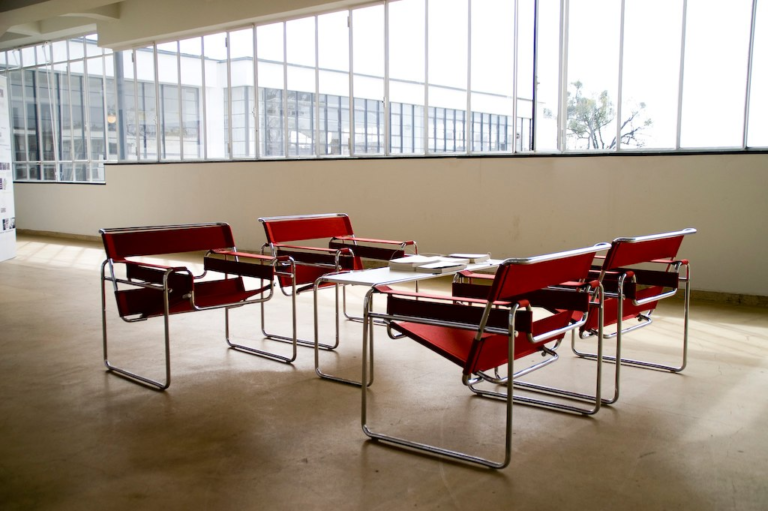
1. What is Bauhaus? Bauhaus Definition Born in Germany in the aftermath of World War I, the Bauhaus marked a decisive turning point in the history of decorative arts and design. More than just an art school, this revolutionary movement redefined the relationship between artistic creation and industrial production, laying the foundations for an aesthetic…

Ulm school: The methodological revolution of design (1953-1968)
| |

Ulm school: The methodological revolution of design (1953-1968)

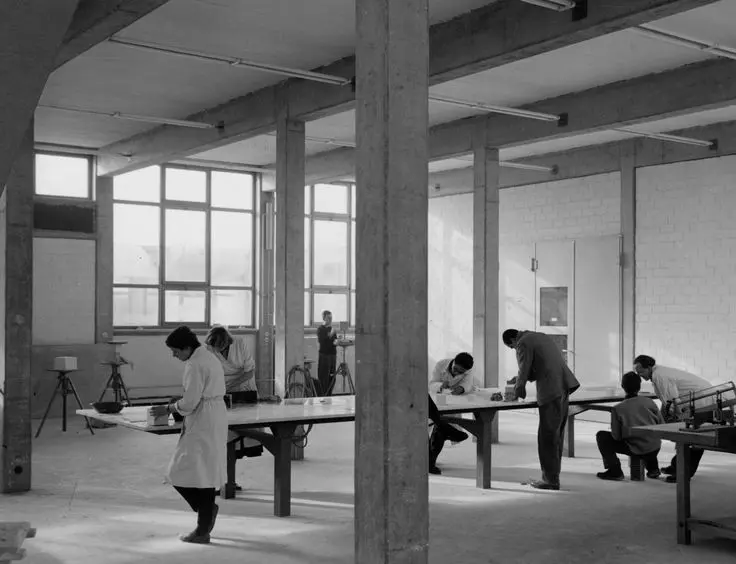
Ulm, Germany, 1953. On a hill overlooking the city, Max Bill inaugurates the Hochschule für Gestaltung (HfG Ulm), a design school that aims to reconnect with the legacy of the Bauhaus closed by the Nazis in 1933. But Ulm will not be a simple resurrection: it will radicalize the rationalist approach, develop a scientific methodology…

Russian Constructivism: When Art Meets Revolution

Russian Constructivism: When Art Meets Revolution

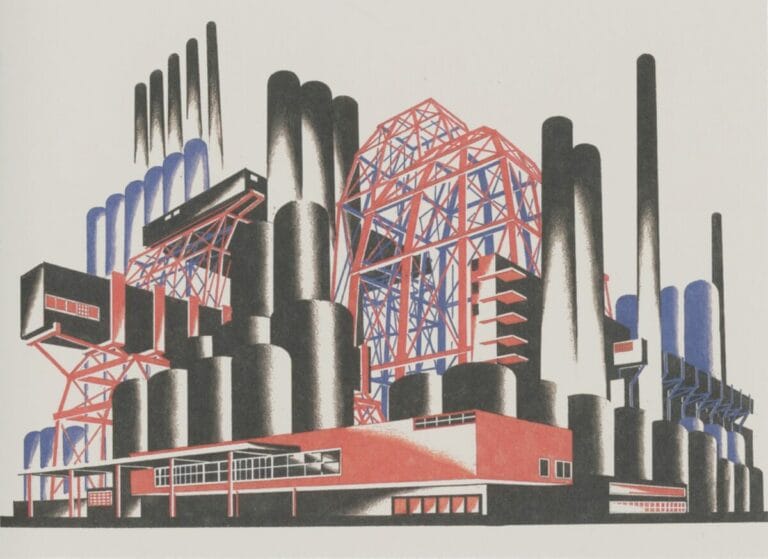
Moscow, 1917. While Parisian Art Deco celebrated the luxury of the interwar period and Dutch De Stijl pursued pure abstraction, the October Revolution shook Russia and gave birth to one of the most radical artistic movements of the 20th century. Russian Constructivism emerged from revolutionary chaos, carried by an unshakeable conviction: art must no longer…

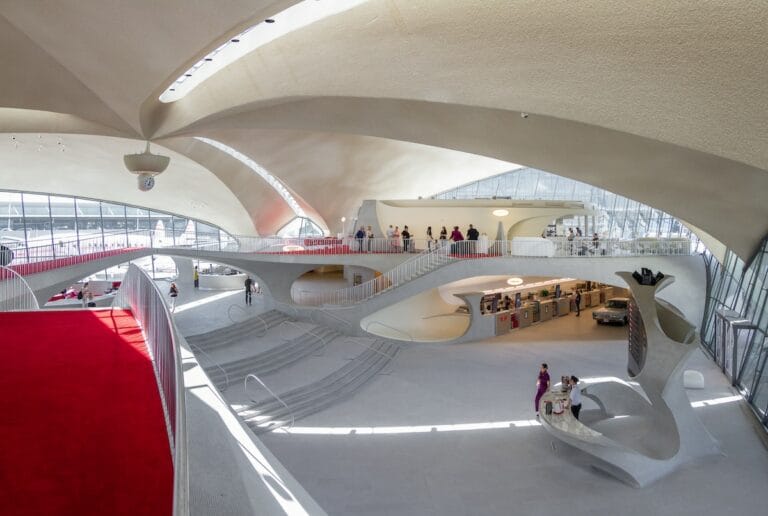
Le TWA Flight Center (JFK) déploie une coque en béton jet-age et des courbes intérieures spectaculaires.
|

Cranbrook Academy: America’s Modern Design Laboratory

Bloomfield Hills, Michigan, 1932. While the Great Depression paralyzes America and Streamline Moderne begins transforming the American industrial landscape, Finnish architect Eliel Saarinen founds an institution that will revolutionize American design: the Cranbrook Academy of Art. Far from the New York or California metropolises, in the affluent suburbs of Detroit, this school invents a unique…

De Stijl: The Dutch Movement That Revolutionized Abstract Art
|

De Stijl: The Dutch Movement That Revolutionized Abstract Art

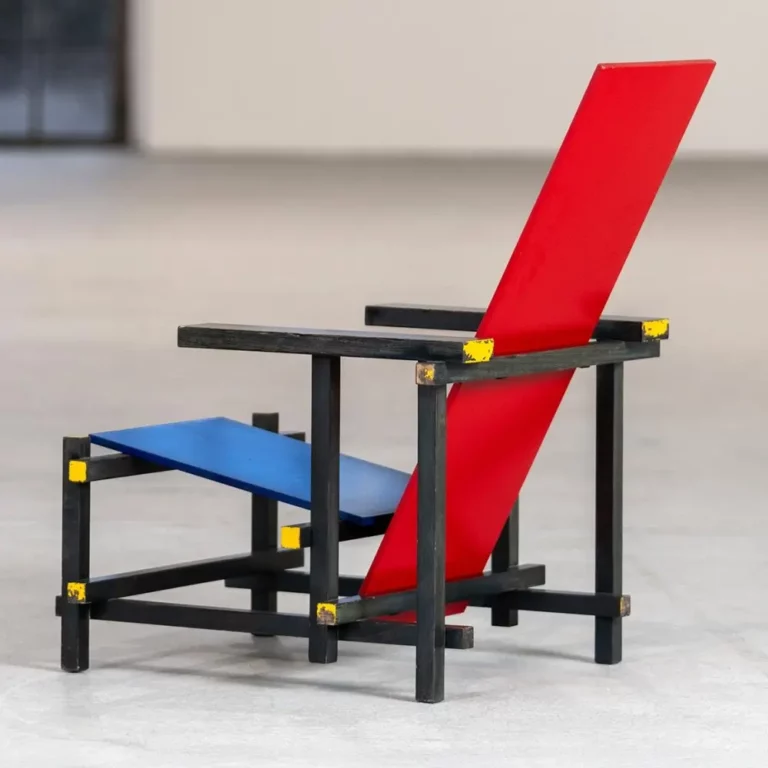
(POST IN PROGRESS) Amsterdam, 1917. While Art Deco triumphed in Paris with its geometric ornaments and refined luxury, a group of Dutch artists and architects chose a radically opposite path. In a Europe torn apart by World War I, they founded a magazine that would give its name to one of the most radical movements…

Streamline Moderne: The Golden Age of American Industrial Design (1930-1950)
| |

Streamline Moderne: The Golden Age of American Industrial Design (1930-1950)

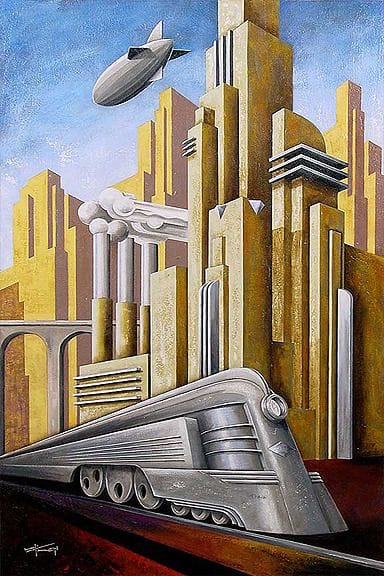
New York, 1933. The “Century of Progress” World’s Fair in Chicago celebrated American technological progress at the heart of the Great Depression. While Europe sank into political tensions and Russian Constructivism faded under Stalin, America invented a radically new visual language: Streamline Moderne. This style, which would transform everything – from toasters to locomotives, from…

Le Corbusier, the Essential French Architect
| |

Le Corbusier, the Essential French Architect

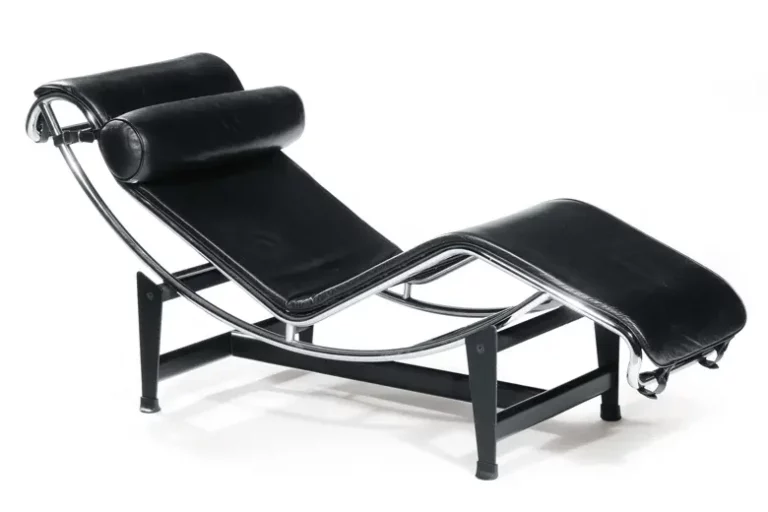
Le Corbusier Paris, 1925. Dans son atelier de la rue de Sèvres, Charles-Édouard Jeanneret, dit Le Corbusier, dessine l’avenir de l’architecture moderne. Révolutionnaire suisse naturalisé français, cet homme au nœud papillon noir ne se contente pas de concevoir des bâtiments : il réinvente l’art de vivre au XXe siècle. Architecte, urbaniste, peintre et théoricien, Le…

Organic Design, The Art of Harmonizing Nature and Functionality
|

Organic Design, The Art of Harmonizing Nature and Functionality

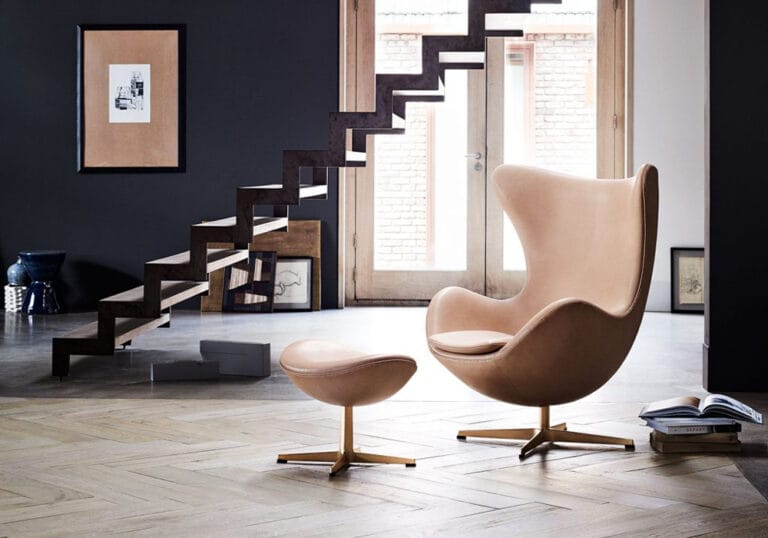
Modern design, minimalist design, or organic design: these decorative vocabulary terms may seem vague, but they reveal distinct philosophies. Organic design, an artistic movement born in the 1950s, revolutionizes our relationship with space by placing harmony between humans and nature at the heart of its creative approach. What is Organic Design? Complete Definition Organic design…