
Cottagecore: Decoding the Aesthetic of the Moment
Between refined nostalgia and the quest for slowness, cottagecore emerges as a sensitive aesthetic that redefines our relationship with habitat, time, and nature.
This is not simply a return to the countryside, nor just another decorative trend.
This is not simply a return to the countryside, nor just another decorative trend. Cottagecore evokes a more intimate aspiration: one of a way of life where beauty is born from simplicity, where habitat becomes refuge, and where daily life rediscovers a form of poetry.
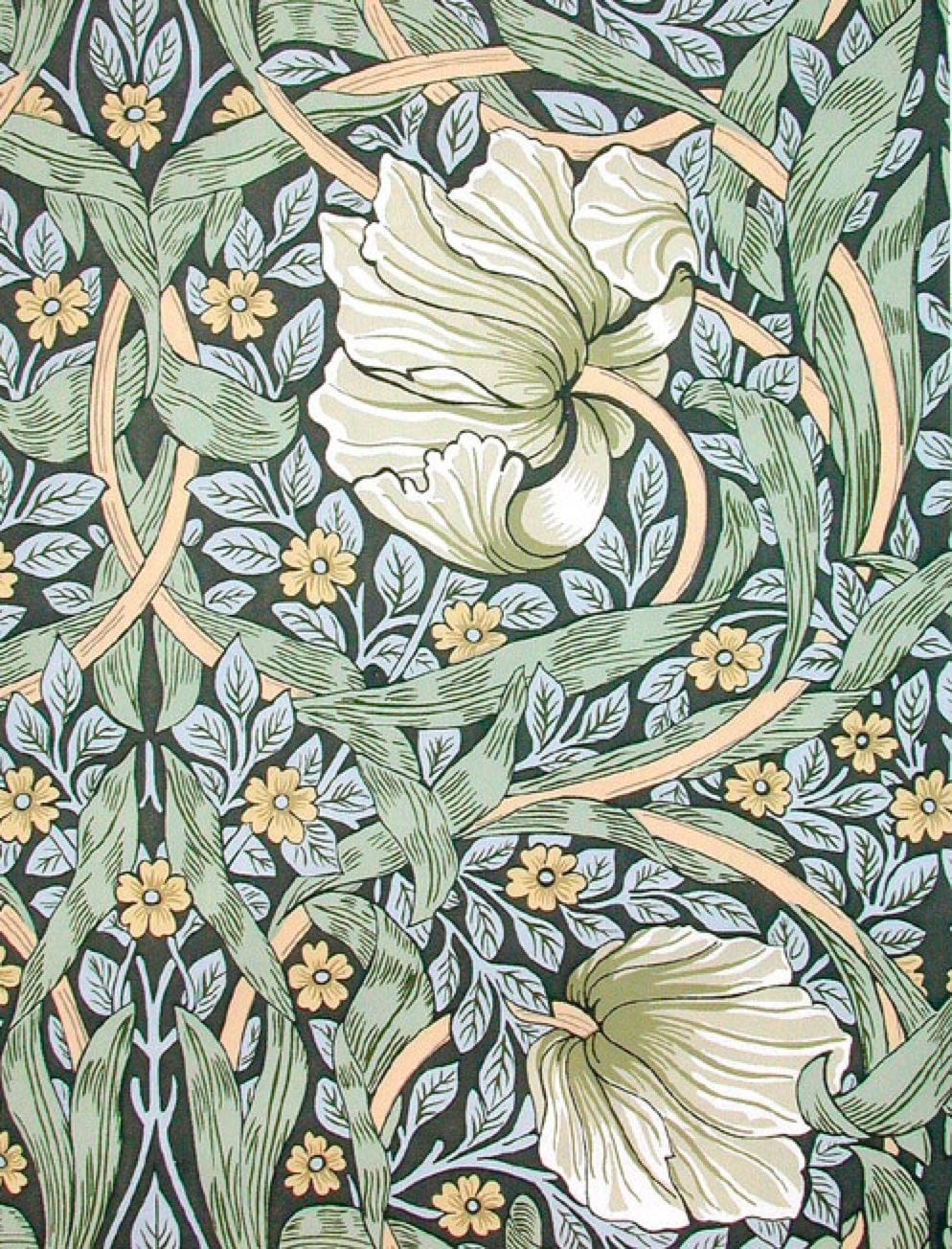
Popularized on social media at the turn of the 2020s, this movement nevertheless draws from an ancient imaginary. English cottages of the Cotswolds, Provençal mas, Scandinavian farms: seemingly modest places, yet deeply charged with emotion. This aesthetic finds its roots in the Arts & Crafts movement of William Morris, who from the 19th century advocated a return to craftsmanship in the face of industrialization.
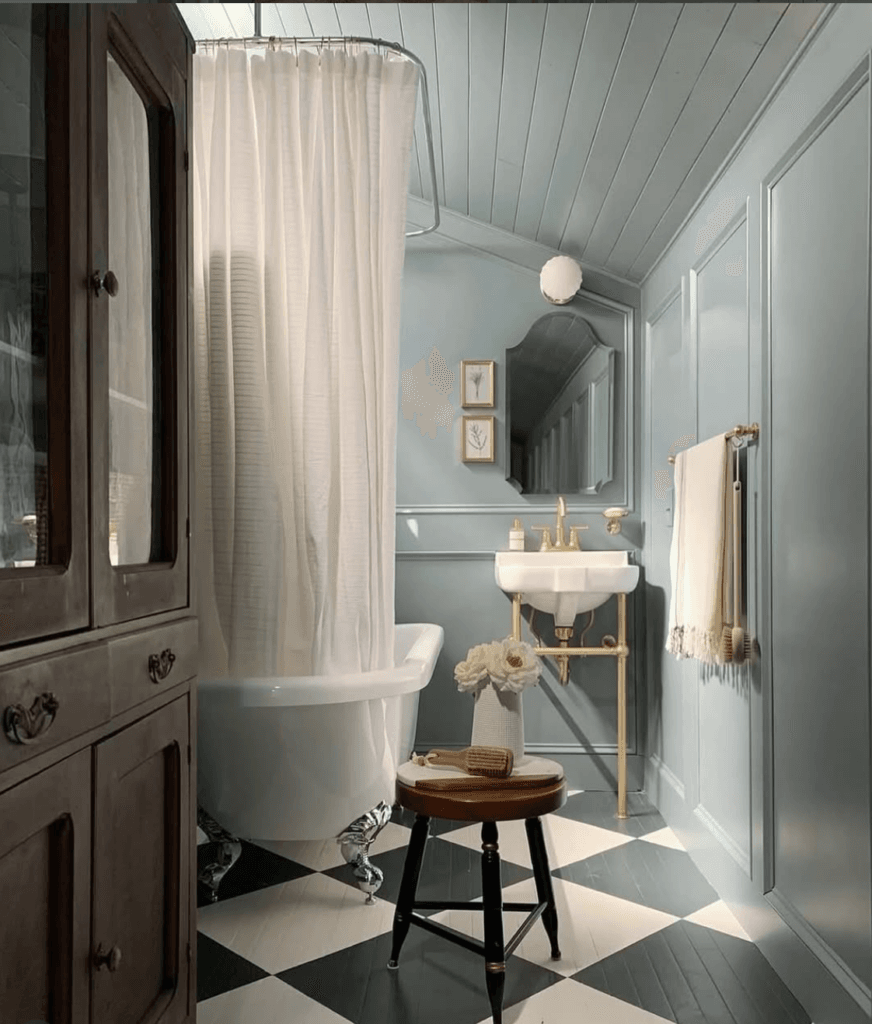
Design: @kismet_house Photography via Instagram account @thenookinteriordesign
An Aesthetic of Sensitivity
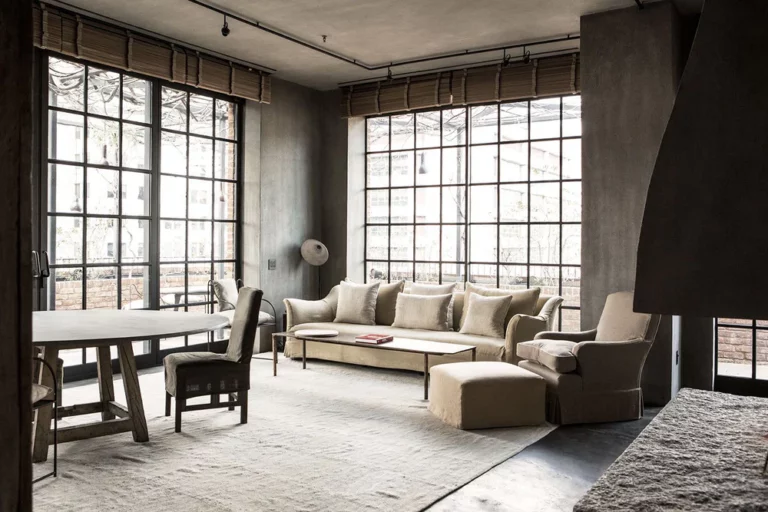
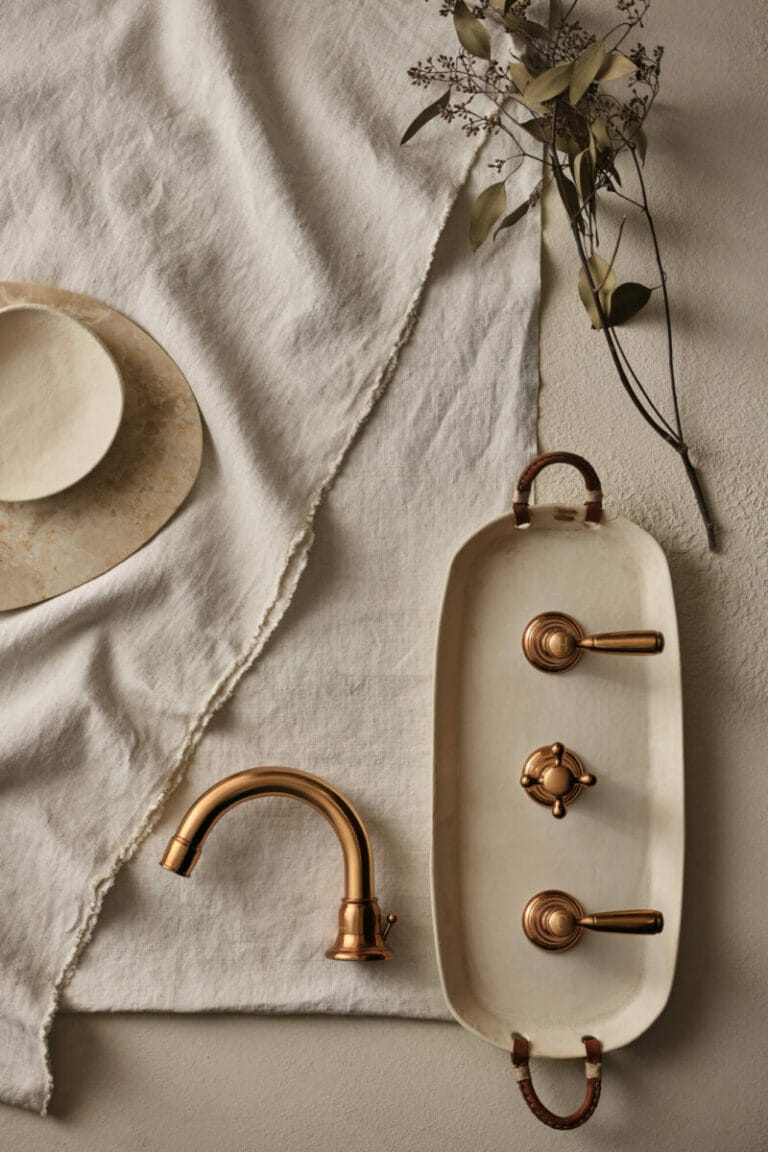
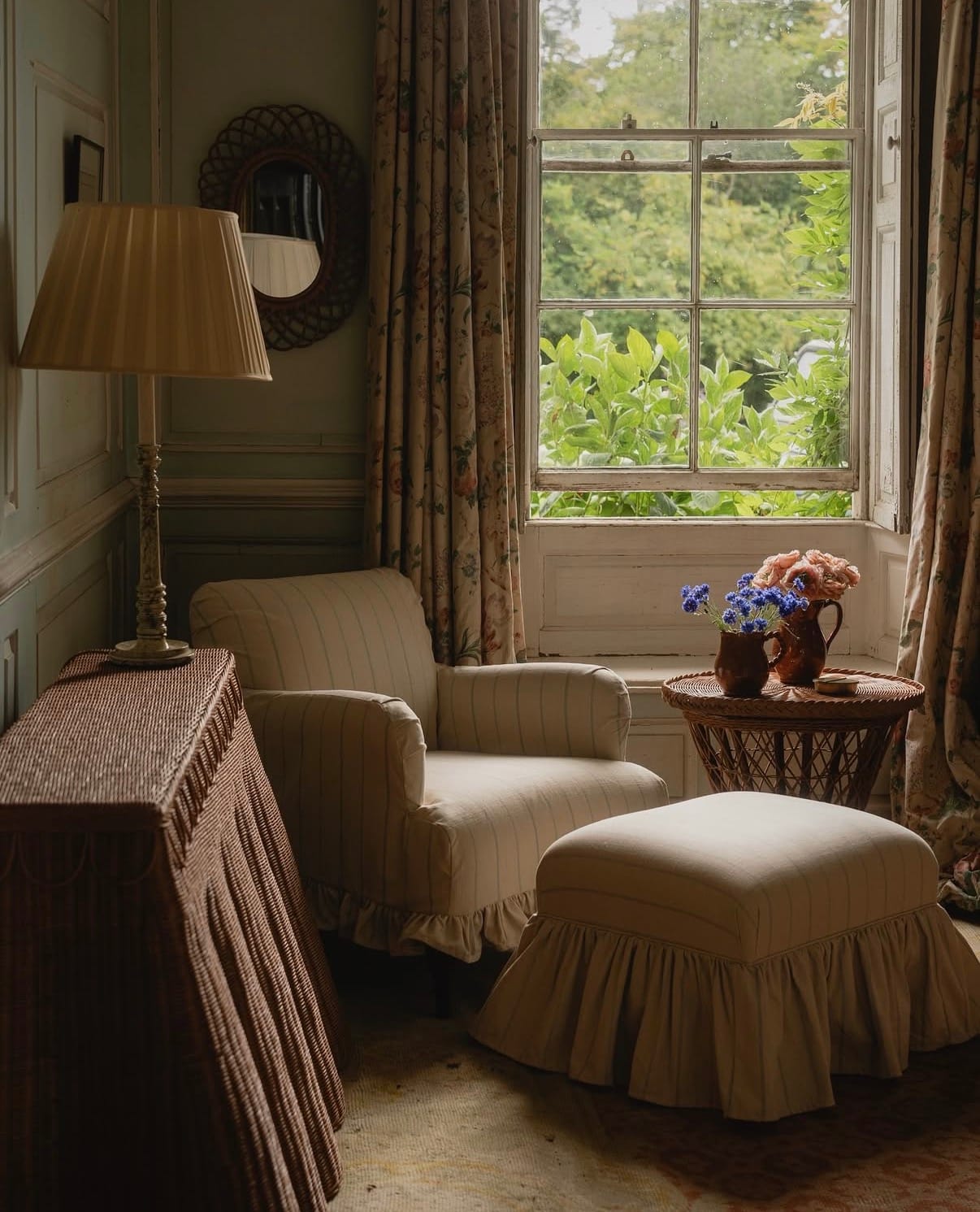
In the cottagecore universe, luxury is silent. It never shows itself. It can be sensed in the texture of crumpled linen, in the patina of old wood, in the soft light filtered through light voile curtains. Interiors do not seek formal perfection, but a lived harmony, shaped by time, use, and daily gestures.
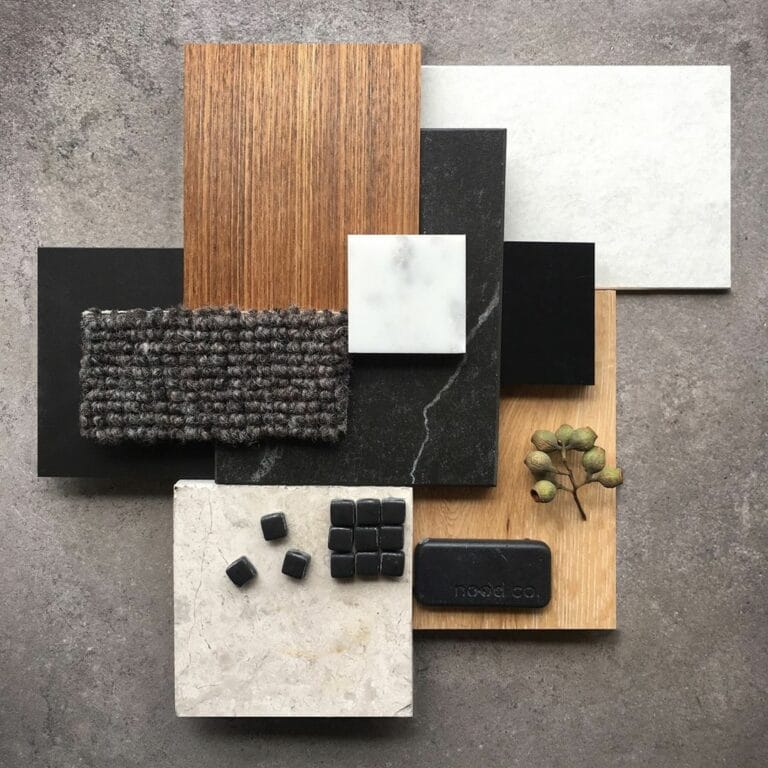
Palettes are directly inspired by the landscape: chalky whites, moss greens, faded pinks, butter yellows, earth ochres. Noble materials express themselves in their most sincere simplicity: limestone with irregular veins, old terracotta tiles with changing nuances, solid oak beams marked by decades.
Artisanal ceramics dialogue with antique dishes. We favor unique pieces from contemporary workshops, mismatched vintage sets, mouth-blown glasses. Textiles tell a story: mohair wool throws, hand-embroidered cushions, quilts stitched using ancestral techniques. Lighting also participates in this contemplative atmosphere: candles, reimagined oil lamps, woven rattan pendants that create organic shadow play on whitewashed walls.
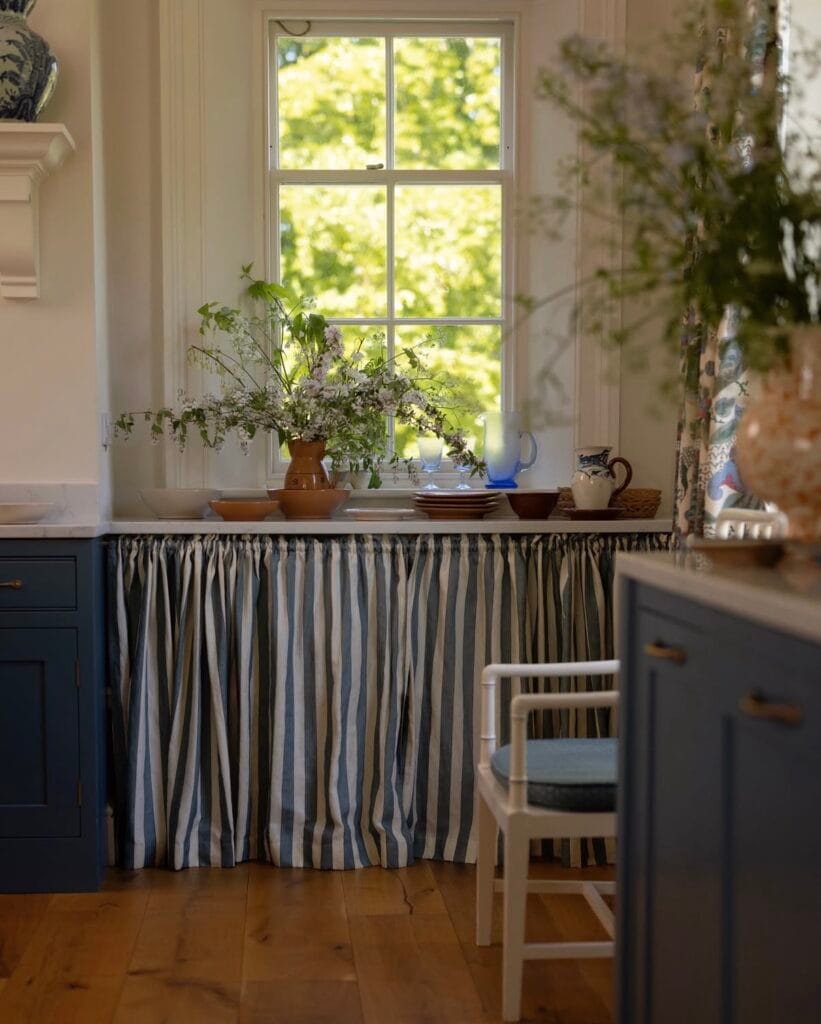
Photographs from the account @sharland_england on Instagram.
An Imaginary Nourished by Culture
Cottagecore is anchored in a powerful literary and cinematographic heritage. Jane Austen’s novels sketch muffled interiors, while the moorlands of the Brontë sisters evoke a nature both harsh and romantic. Thomas Hardy immortalized this countryside where vernacular architecture dialogues with natural cycles. Beatrix Potter’s illustrations participate in this vision of a tender and poetic domestic world.
In cinema, this sensibility is found in Little Women, Call Me By Your Name, Studio Ghibli films, or Pride and Prejudice, works that capture this rustic and contemplative essence.
Architectures of Gentleness
Cottagecore rehabilitates the traditional English cottage: stone walls, thatched roof, casement windows. Rooms with modest proportions favor intimacy, low ceilings with beams create an enveloping sensation.
Outbuildings regain a function: the old dairy becomes a workshop, the cellar houses homemade preserves. Contemporary architecture inspired by cottagecore favors simple volumes, local materials, landscape integration.
Living Differently
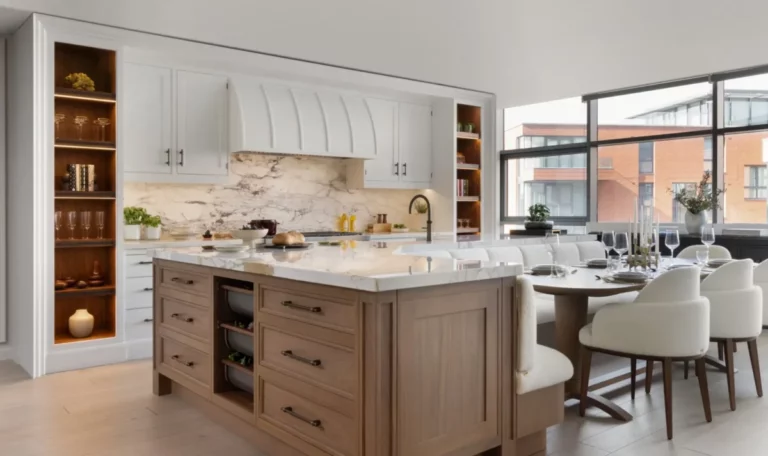
Cottagecore questions our way of living. It values slow gestures, handmade, the relationship with seasons. The kitchen becomes a central place again: large family table, stoneware sink, open shelf where jars and terrines line up.
The garden regains its natural place. Vegetable garden with boxwood-bordered squares, orchard of old fruit trees, perennial beds: the cottagecore garden cultivates generous abundance. Old roses climb on walls, wisteria perfumes the arbor.
Without militant discourse, this aesthetic dialogues with contemporary issues: ecology, well-being, valorization of local craftsmanship, in a gentle and instinctive approach.
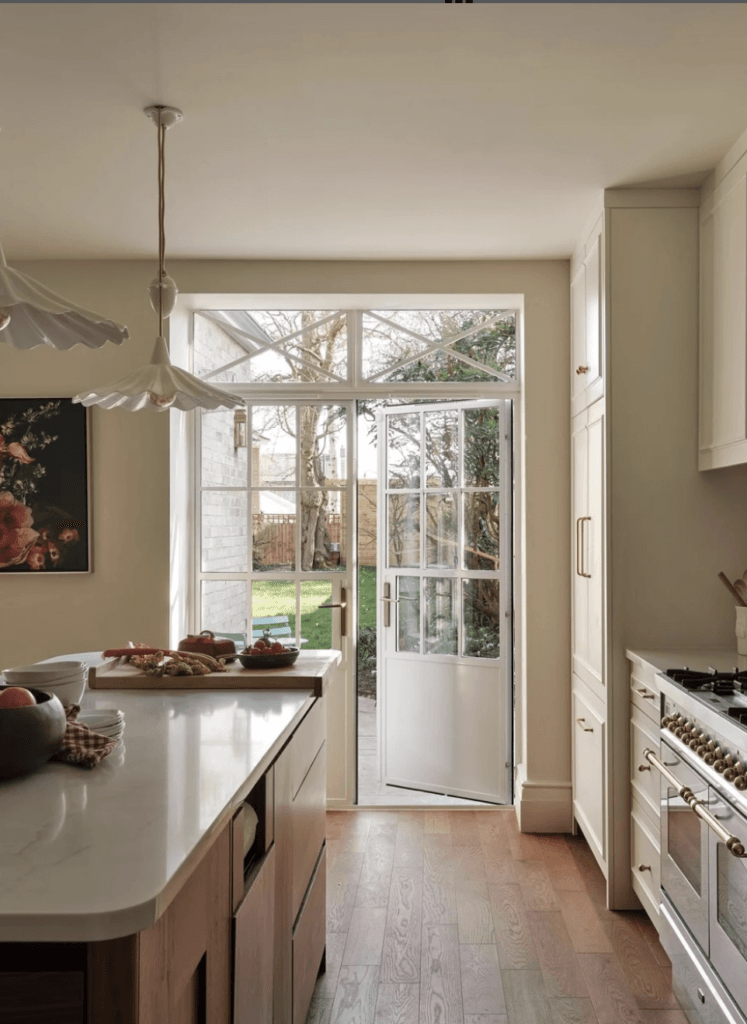
Millington Road Project Design: @studioanton Architecture: @cowpergriffitharchitects
Born in England at the end of the 19th century, the Arts & Crafts movement defends a profoundly human vision of architecture and design.
Led notably by William Morris, it advocates a return to craftsmanship, honesty of materials, and a beauty inseparable from daily use. This philosophy, which places the home at the heart of life, resonates strongly today with the cottagecore aesthetic. Both celebrate a form of quiet luxury, made of simplicity, warmth, and sincere gestures, where the house is not a decor but a place to live, to feel, and to fully inhabit.
A Revealing Vision
Certainly, cottagecore idealizes a peaceful rurality, sometimes removed from economic realities. But this idealization says something fundamental: a collective fatigue in the face of speed, standardization, functional coldness.
Faced with ultra-smooth interiors, cottagecore assumes imperfection, traces of use, the patina of time. It is an imperfect, vulnerable, profoundly human beauty.
More than a decor, cottagecore becomes an emotional language, a way to reintroduce soul into our interiors and meaning into our lifestyles.
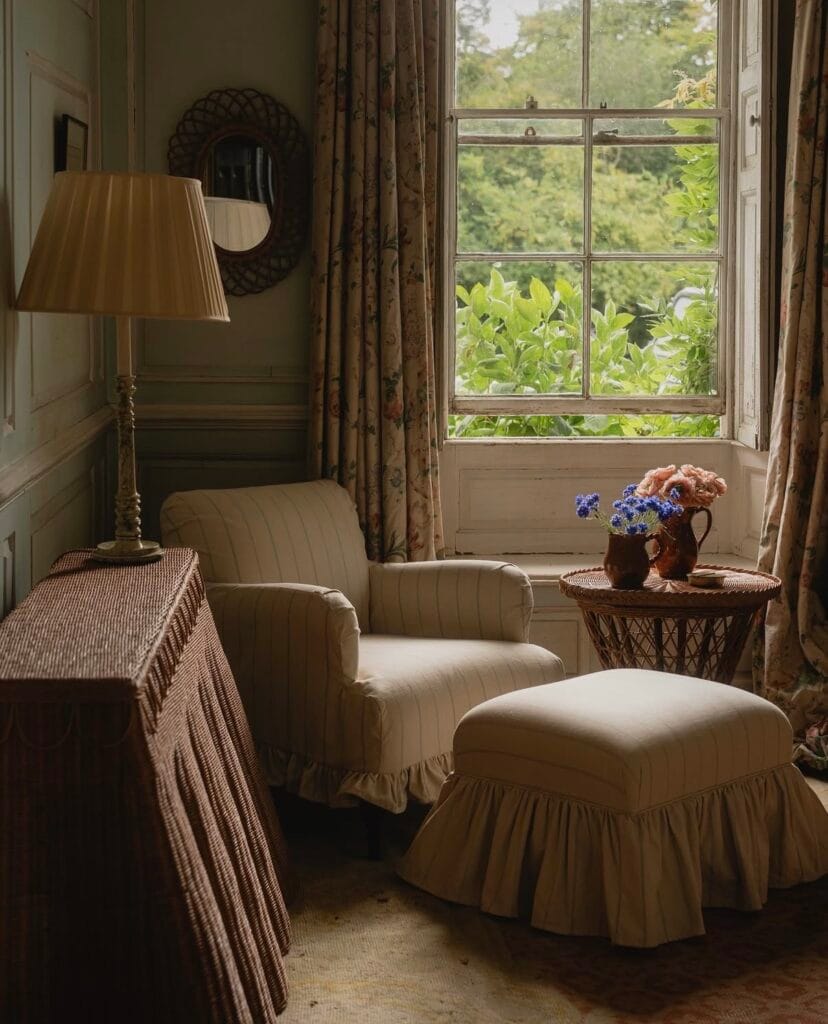
Photograph from the account @sharland_england on Instagram.
How to Adopt It?
No need to transform your interior into a frozen decor. Cottagecore slips into the details: a raw wood table, flowers in an enameled pitcher, warm light created by fabric lampshades, an inherited antique object.
Favor natural materials: linen for curtains, wool for throws, rattan for furniture, terracotta for dishes. Seek artisanal pieces that bear the mark of the human hand.
Cultivate simple rituals: set the table with care, arrange wild flower bouquets, light candles, prepare homemade jams. It is not about reproducing an image, but cultivating an atmosphere.
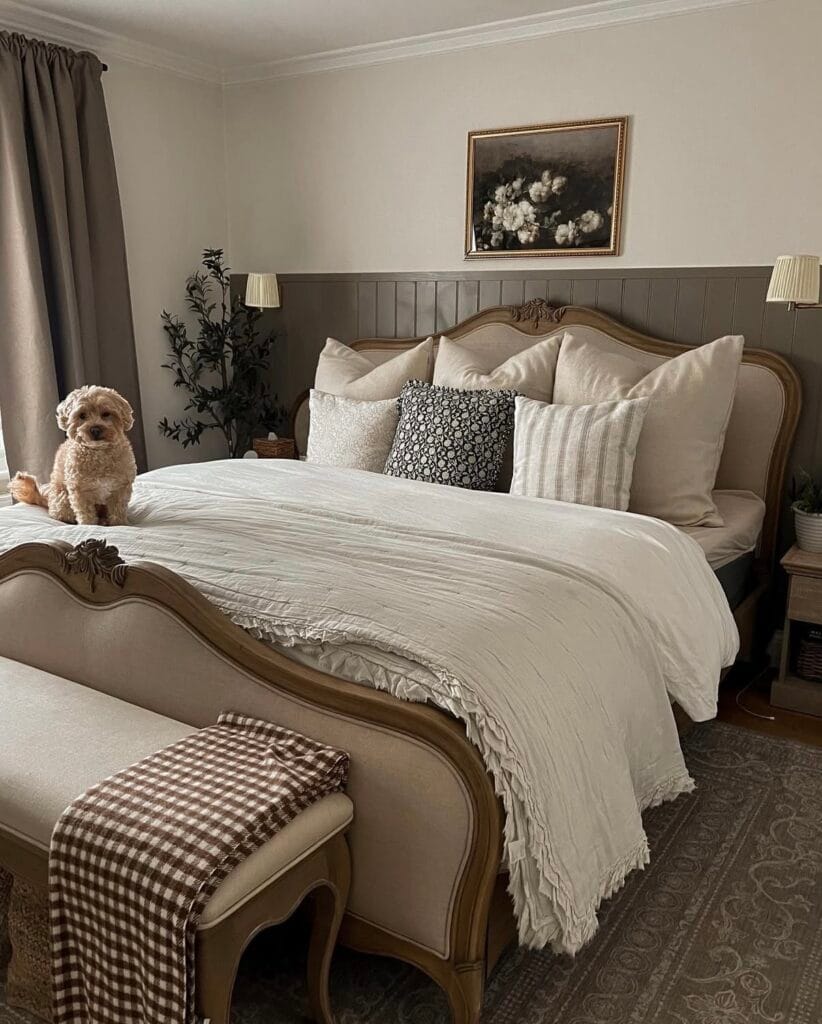
Photograph from Instagram account @allchloehome, with bedding by @rebeccaudallhome
The Essential
At a time when contemporary architecture explores performance and technology, cottagecore recalls an essential truth: true luxury may reside in what cannot be bought.
Time. Gentleness. The memory of places. A home that soothes, more than it impresses.
What if cottagecore was not an escape to the past, but a subtle way to reinvent the future: slower, more attentive, more profoundly human?

Independent interior architect and project manager, I combine technical expertise with aesthetic sensibility. From structural work to finishing touches, I have developed an in-depth knowledge of materials, which I share through writing to convey my passion for design and architecture.