

Samuel Heath: when hardware becomes a philosophy of excellence
In the era of ephemeral design, Samuel Heath embodies an unwavering conviction: every detail matters. This century-old British manufactory doesn’t seek to seduce at first glance. It establishes itself as an evidence, that of objects whose perfection reveals itself through use. Founded in 1884 in Warwickshire, in the midst of the Arts and Crafts movement, Samuel Heath transposes watchmaking expertise to hardware. While stripped-down modernism conquers contemporary interiors, a less visible but infinitely more enduring philosophy emerges: that of mechanical excellence applied to intimate spaces, and more particularly to the luxury bathroom.
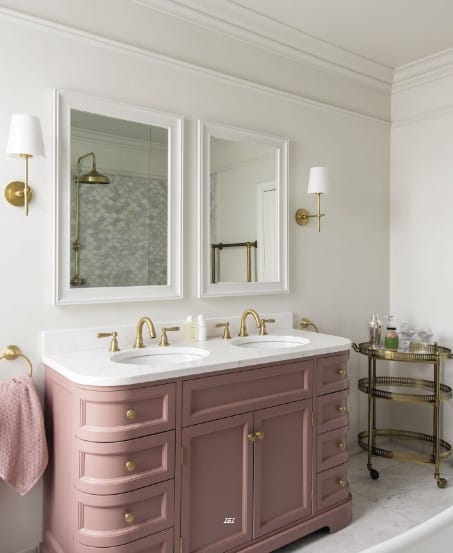
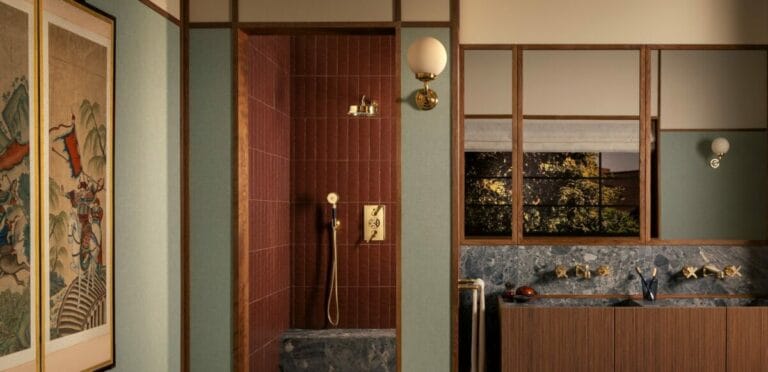
Why does this house become essential in 2025? Precisely because discreet luxury is making a strong comeback. The kind you don’t shout about but know. It’s a return to integrity, to noble materials, to the patience of the right gesture. Samuel Heath arrives at the perfect crossroads: the Edwardian era redefines the bathroom as a private sanctuary, and this manufactory understands that fittings are no longer a hidden accessory but a key element of interior composition.
The brand’s DNA: obsession with absolute precision
What distinguishes Samuel Heath is first what cannot be seen: invisible assemblies. While others accept visible joints and obvious screws, Samuel Heath has designed systems where mechanics are elegantly concealed. The tap becomes pure form, emergence without artifice.
The Fairfield and Landmark collections embody this philosophy. Fairfield offers timeless, slightly curved geometry, evoking Scandinavian design revisited through British ethics. Landmark pushes refinement further: clean forms, minimalist approach, minimalism that never abandons comfort. Both collections share a common signature: calculated absence of ornament, quiet presence.
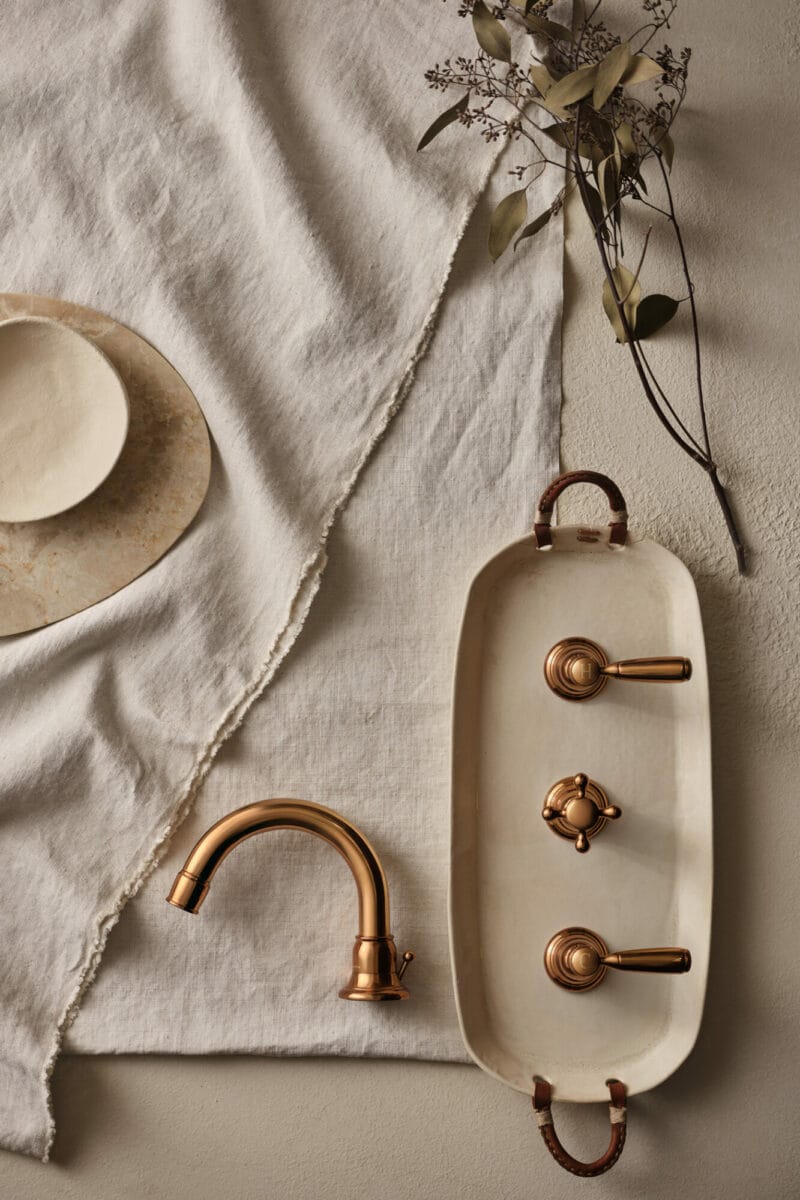
Finishes constitute the true obsession: chrome polished for hours, brushed brass, stainless steel worked to absolute satiny finish. No cheap coating, no fake shine. Metal speaks true, ages with dignity. Each piece undergoes manual testing before shipping. No compromise on materials: specific brass, high-resistance steel, ceramic valve seats, lifetime-guaranteed seals. It’s this attention to invisible details that truly defines quality.
From craftsmanship to architectural influence
Samuel Heath hasn’t created architecture in the traditional sense, but its influence on prestigious design is considerable. The bathrooms of Cotswolds castles, London palaces like Claridge’s and The Savoy, restored grand houses all welcome the brand’s sanitary innovations. No overload, no glitz. Just fittings whose perfection establishes itself as evidence of authentic luxury.
This approach directly influences contemporary European design. When brands like Duravit, Grohe or Vola reflect on technology integration, they navigate terrain that Samuel Heath has cleared: how to remain luxurious, discreet and contemporary simultaneously?
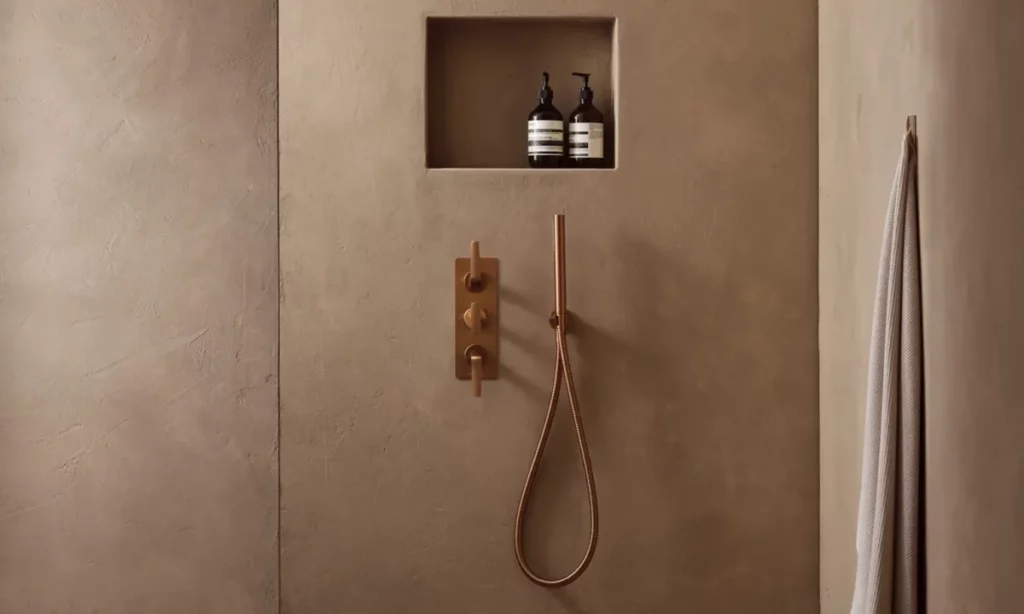
Heritage & Durability
Samuel Heath could have become a living museum. On the contrary, the brand has evolved without denying itself. The 1960s saw the introduction of contemporary finishes. The 1990s welcomed thermostatic controls. Today, without sacrificing manual craftsmanship, each piece remains humanly tested, Samuel Heath discreetly integrates technology.
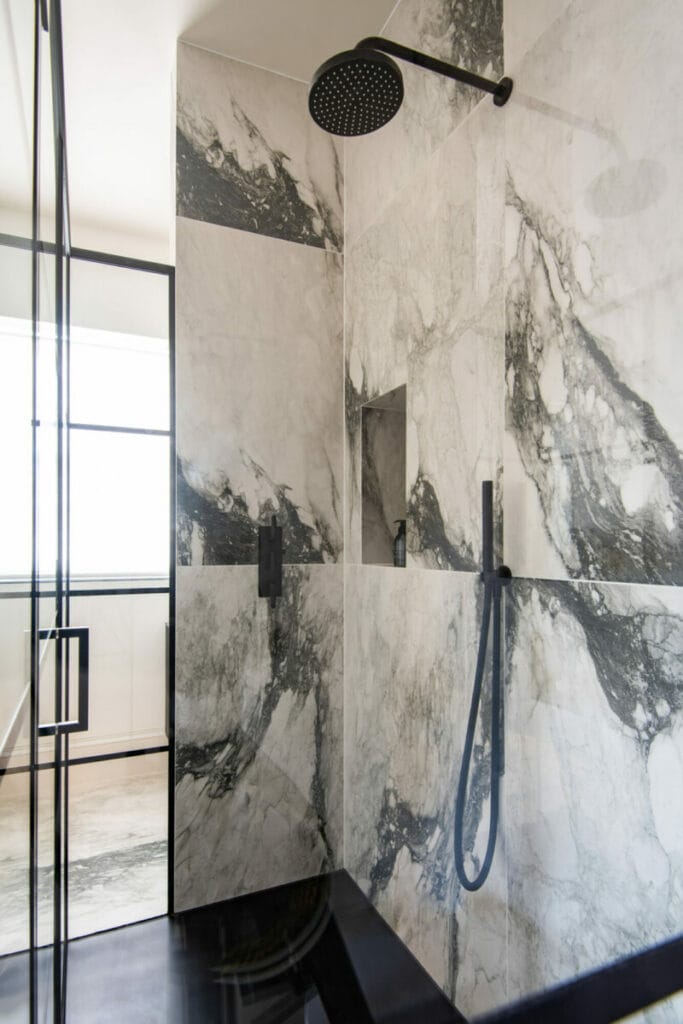
Pricing: what cost to invest in excellence?
Basin fittings start around 4,000 euros. Complete thermostatic shower systems range between 8,000 and 15,000 euros. For a fully equipped bathroom, budget between 70,000 and 160,000 euros.
On the second-hand market, a vintage piece from the 1950s-1970s in perfect condition sells for between 800 and 2,500 euros. The advantage: these objects surpass most contemporary productions in reliability. Investing in a 1960 Samuel Heath fitting is investing in an object that will last longer than many houses.
The permanence of the discreet
Samuel Heath summarizes a simple philosophy, that of Quiet Luxury: in a world saturated with visibility, true excellence hides. It reveals itself through use, day after day, over the years that patinate metal without debasing it. A tap tested by hand and guaranteed for life speaks louder than any marketing.
This is the essence of luxury and century-old British design: making the user forget that the object is luxury. Rendering it as natural as breathing, as obvious as truth. Perhaps Samuel Heath will survive the next wave of design, and the one after. Because it has never sought to follow fashions. It has simply built a promise excellence, discretion, durability and has held to it, implacably, for more than a century.
Find our complete article dedicated to luxury bathrooms and major design brands on Hart Design Selection.

Digital entrepreneur and craft artisan.
My work bridges craftsmanship, design history and contemporary creation, shaping a personal vision of luxury interior design.
Since 2012, I have been based in my workshop on the shores of Lake Annecy, creating bespoke interiors for architects, decorators and private clients.