

Victorian Style: The British Art of Living (1837–1901)
Victorian Style: When England Dominated Global Decorative Arts
Victorian style revolutionized Western art by establishing British hegemony and the flourishing of decorative industry. This aesthetic revolution reflects the expansion of the British Empire in the 19th century: from traditional craftsmanship to mass industry, from insular taste to multiple colonial influences. The Victorian era invented a way of life that reconciled industrial prosperity, Protestant morality, and imperial eclecticism.
This industrial and aesthetic revolution definitively transformed our conception of democratic design and accessible decorative art. Victorian style shaped the future of mass production, privileging ornamental richness over classical purity, domestic comfort over aristocratic display.
Victorian Era: The Creative Explosion of Empire
This remarkable period, marked by sixty-four years of industrial innovation and global expansion, definitively transformed British and European art by imposing new standards of decorative production.
Decisive Chronology:
• 1837-1901: Reign of Victoria (64 years)
• 1851: Great Exhibition of London – manifesto of British industry
• 1876: Victoria Empress of India – apex of colonial eclecticism
The Industrial Revolution
This era overturned all codes of European decorative art. The artist-creator adapted to new industrial technologies, while the British middle class became the prescriber of democratized global taste.
Augustus Pugin, William Morris, Christopher Dresser embodied this creative revolution that definitively transformed Western art.
The emergence of British industrial society revolutionized ways of life. Railways, textile manufactories, Colonial Empire inspired an art celebrating industrial prosperity and Victorian domestic harmony.
This social transformation generated an unprecedented aesthetic that still influences our contemporary vision of industrial design and democratic living.
Revolution of Form and Production
Now designer-industrialists invented modern aesthetics, replacing artisanal exclusivity with visionaries of mechanized production.
This era invented the revolutionary alliance between technical innovation and decorative tradition, industrial efficiency and ornamental richness, democratizing the British way of life.
Victorian aesthetics abolished the boundary between art and industry: assumed eclecticism, colonial references, optimized comfort testified to industrial modernity.
Arts: The Avant-garde of Industrialization
London and the Empire, Laboratories of Global Taste
British decorative art from the 1840s-1890s synthesized all colonial influences in a style of remarkable industrial coherence.
Augustus Pugin (master of neo-Gothic architecture), William Morris (virtuoso of arts and crafts), Christopher Dresser (innovator of industrial design) defined this new aesthetic.
Owen Jones revolutionized ornamentation through his research, John Ruskin transformed decorative art through his philosophy, while Henry Cole explored the potentialities of artistic industry.
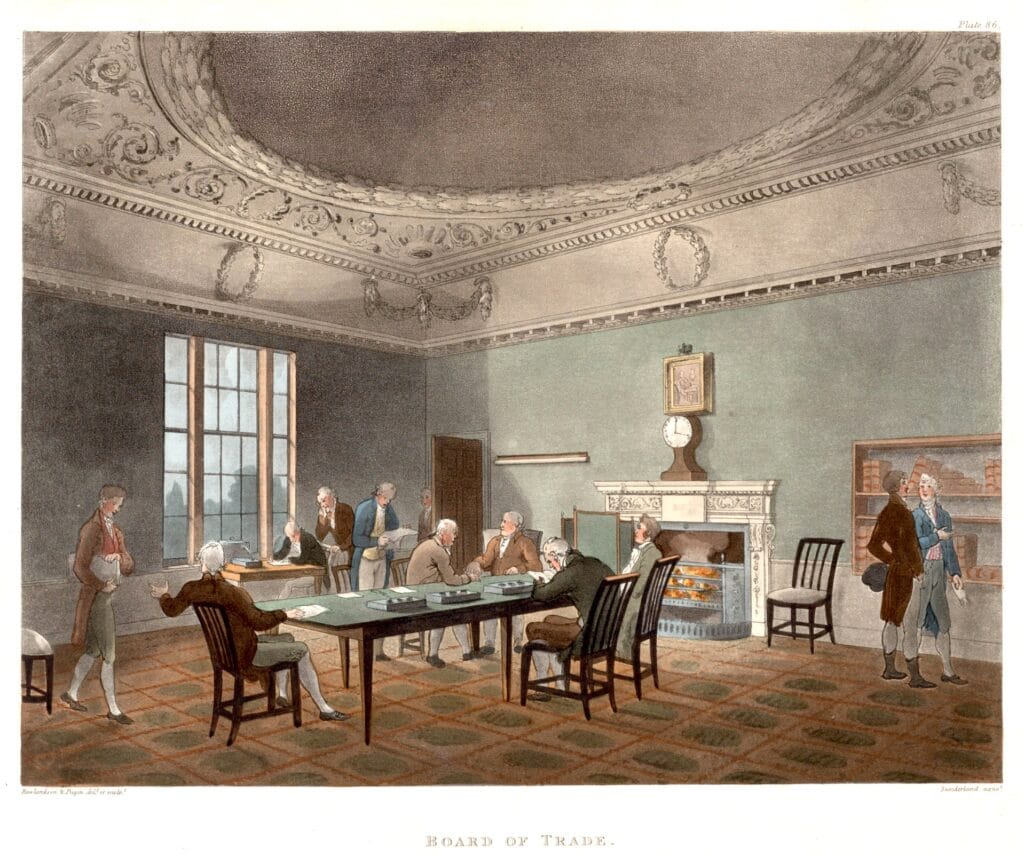
Engraving by Thomas Rowlandson and Augustus Pugin, published by Rudolph Ackermann. British institutional interior from early 19th century.
The Renaissance of Industrialized Crafts
Victorian style spectacularly revitalized all British crafts by adapting them to industrial production and enriching them with colonial influences.
William Morris (virtuoso of modern craftsmanship), Liberty & Co (masters of artistic importation), Minton (innovators of industrial ceramics) reinvented their art.
Textile workshops modernized with Morris & Co and Liberty who created an ornamental language of democratized richness.
Silversmithing reached new markets with Elkington & Co and Mappin & Webb, while Staffordshire manufactories developed eclectic and orientalizing decors.
Furniture revolutionized with London workshops developing a decorative language of industrial diversity.
Victorian Architecture: Manifesto of Industrial Modernity
The Suburban Villa as Innovation: Laboratory of Comfort
The Founding Event: The Victorian suburban villa transformed architecture into a manifesto of democratized industrial living.
This revolution imposed new architectural canons: rational distributions, modern comfort, revolutionary decorative eclecticism.
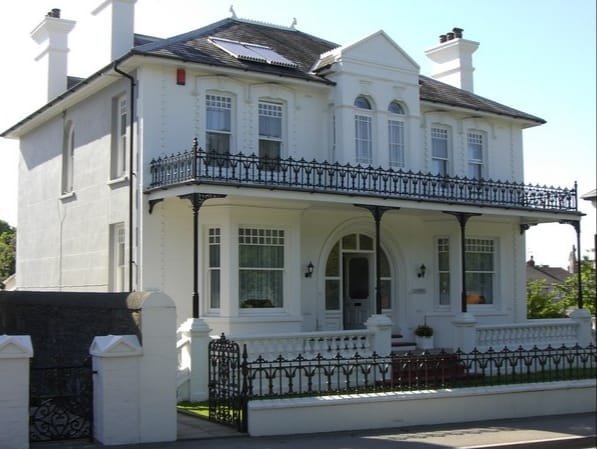
Photo © Neil Parker, Victorian House, via Geograph / Wikimedia Commons — CC BY-SA 2.0.
Permanent realizations (Suburban developments, Victorious stations, Public museums) definitively inscribed industrial modernity in the British landscape.
This aesthetic revolution transformed England’s international image and influenced global industrial architecture.
The Masters of British Architecture
Architect Augustus Pugin, creator of neo-Gothic architecture, developed a historicist aesthetic that influenced all modern European architecture.
George Gilbert Scott (master of Gothic eclecticism), Norman Shaw (innovator of suburban architecture), Alfred Waterhouse (architect of Victorian eclecticism) embodied this British avant-garde.
This architectural school, celebrated internationally, established the foundations of suburban living and inspired global industrial cities.
It revolutionized our conception of modern democratic housing and durably imposed British eclecticism as an industrial aesthetic reference.
Total Decorative Art
Victorian style invented the concept of industrial living art where architecture, furniture, art objects, and textiles formed a harmonious ensemble serving optimized domestic comfort.
Creators William Morris, Christopher Dresser, Liberty & Co developed the art of industrial decorative synthesis.
The Synthesis of Arts
Victorian style codified a universal decorative vocabulary that triumphed globally: colonial eclecticism, multiple references, modern comfort.
Dante Gabriel Rossetti (master of Pre-Raphaelite painting), Edward Burne-Jones (virtuoso of decorative art) revolutionized applied arts through their artistic innovations.
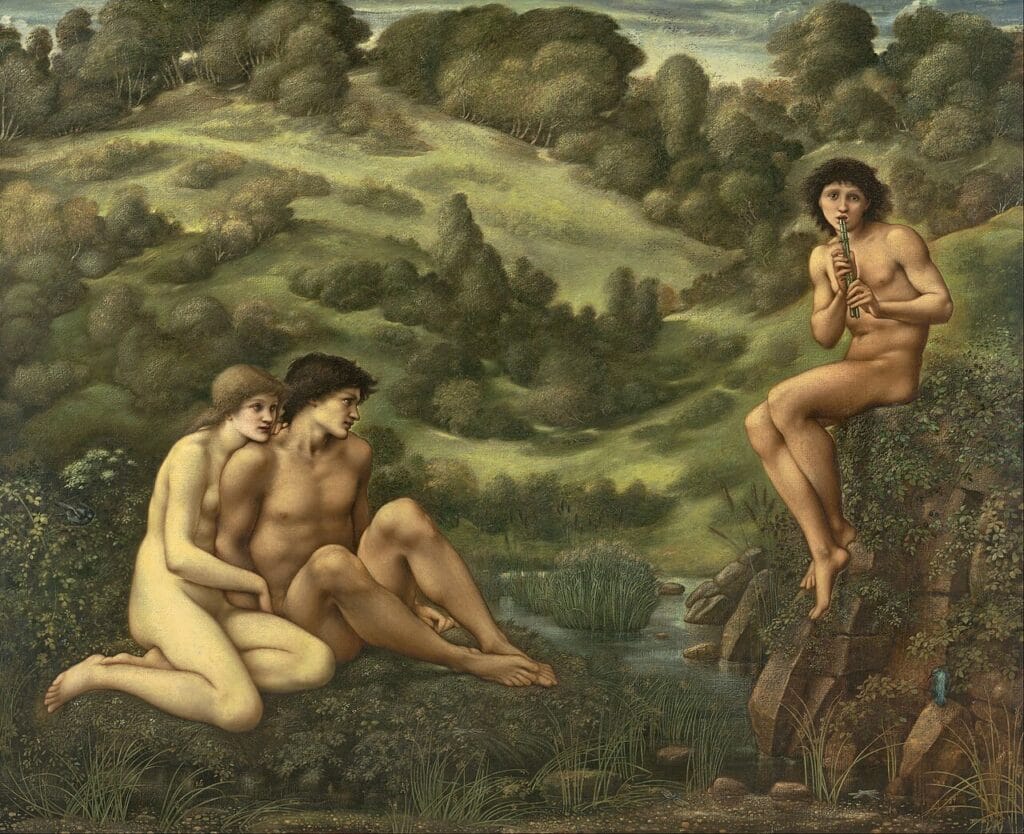
The influence of the Colonial Empire and British tradition introduced a global eclecticism that dominated European industrial inspiration.
Furnishing arts achieved industrialization with British manufactories, colonial importers, creators of objects of accessible refinement.
Ceramics found industrial expression with Staffordshire creations developing a table art of democratized diversity.
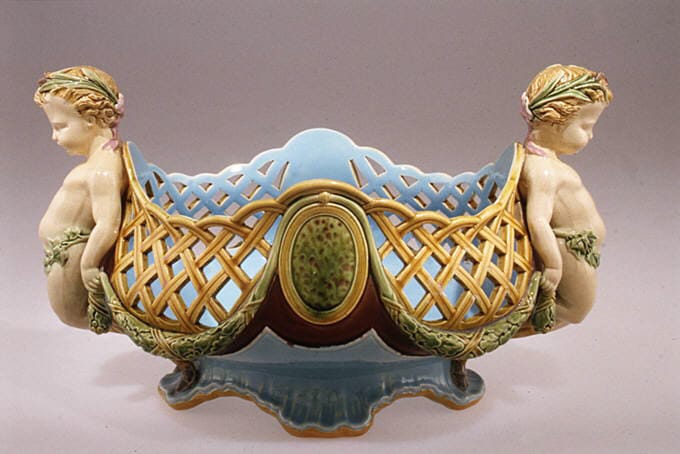
Victorian majolica, England.
William Morris workshops (art textiles), Liberty & Co (colonial objects), Elkington & Co (industrial silversmithing) established new global standards.
Morris furniture, Liberty objects, Elkington silverware created a lifestyle of industrial sophistication.
Colonial eclecticism, varied materials, domestic functionality characterized this aesthetic of industrial modernity.
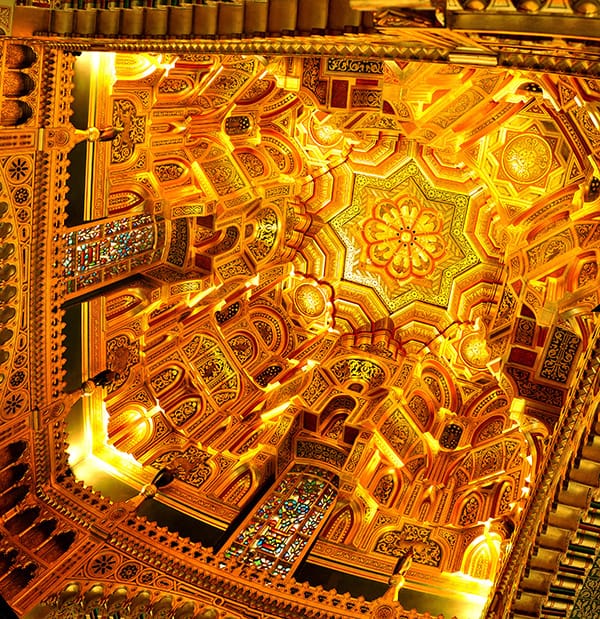
Materials and Textures: The Production Revolution
Victorian style revolutionized textile art by privileging production industrialization and diversity of colonial influences. British manufactories developed industrial techniques that transformed textiles into a decorative element that was more accessible and varied.
Industrialized Manchester textiles: Manchester cottons reached their industrial apex with mechanized printing and mass effects. Printed fabrics integrated varied colonial motifs to create decorative effects of industrial richness.
Democratized Scottish woolens: Woolens developed tartan motifs and tweeds that allowed industrial production, creating decorative effects of democratized quality.
Imported Oriental silks: A Victorian innovation, Chinese and Indian silks offered an exotic richness that harmonized with the taste for colonial eclecticism.
Industrial velvets: Mechanized velvets became democratized, introducing an accessible luxurious texture that renewed Victorian domestic ornamentation.
Colorist Palette: The Invention of Imperial Colors
The Victorian colorist revolution created an eclectic palette that drew from the Colonial Empire to satisfy diversified British taste.
Signature colors:
- Empire Red: Deep red inspired by India, emblematic color of British expansion
- Hunter Green: Dark green testifying to British taste for nature and hunting
- Colonial Blue: Deep blue referencing the Empire’s oceans and the Royal Navy
- Oriental Gold: Brilliant gilding inspired by Asia, colonial wealth
Sophisticated harmonies: Victorian colorist associations privileged rich and dark contrasts: red and gold, green and bronze, blue and silver created ambiances of colonial opulence.
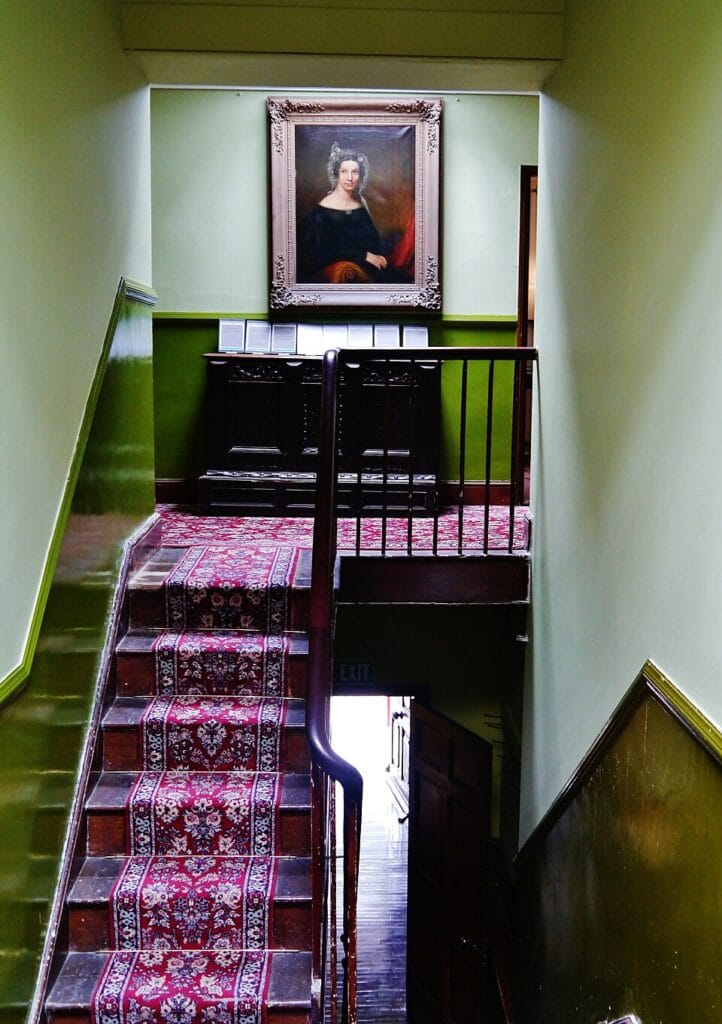
Ramsay Grove Museum of Victorian Life, Isle of Man.
Photo: Zairon – CC BY 4.0, via Wikimedia Commons.
Motifs and Iconography: The Triumphant Colonial Vocabulary
Victorian textile ornamentation developed an iconographic repertoire that drew from the British Empire to create a global decorative eclecticism.
Colonial motifs:
- Indian Paisley: Cashmere motifs adapted to British industrial production
- Chinoiserie: Dragons, peonies, Asian motifs popularized by trade
- Egyptian motifs: Hieroglyphics, lotus, orientalizing archaeological references
- Tropical florals: Palm trees, orchids, exotic flowers from the Empire
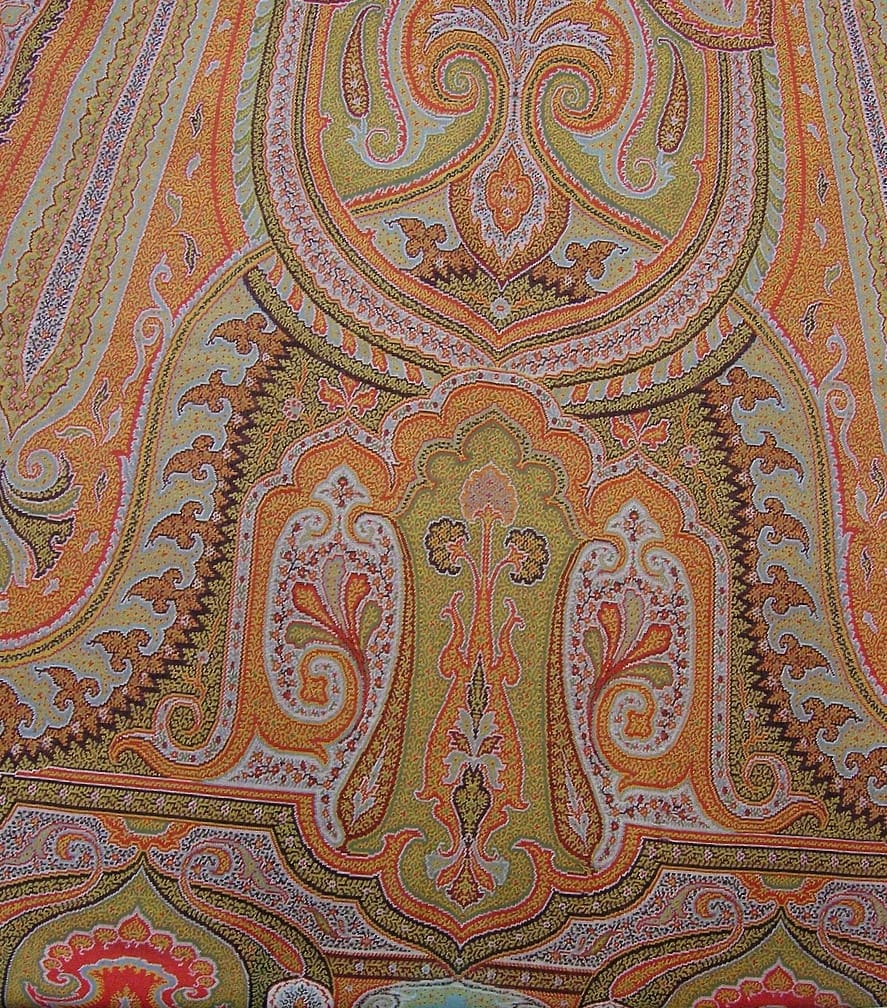
Imperial iconography:
- Colonial scenes: Romantic representations of the British Empire
- Exotic fauna: Elephants, tigers, decorative tropical birds
- Neo-Gothic motifs: Trefoils, rosettes, idealized medieval references
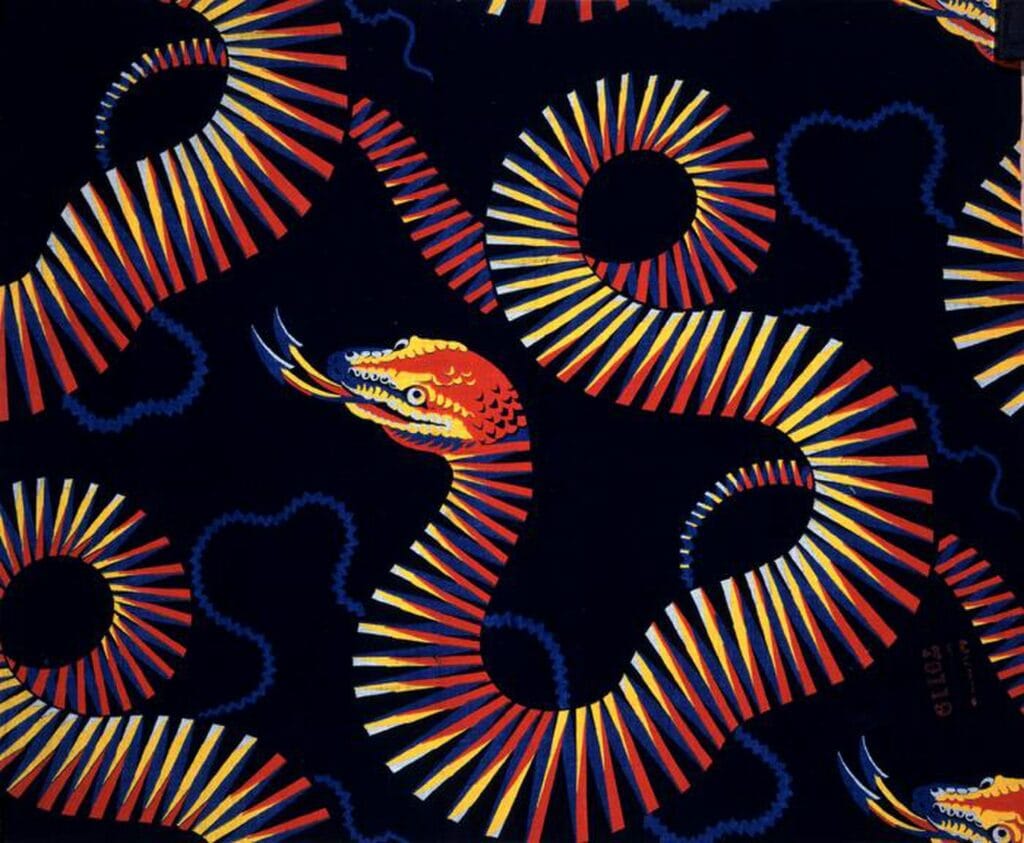
The National Archives (United Kingdom)
Furnishing Applications: Colonial Specificities
Seating and upholstery: Upholstery textiles were enriched by the colonial market with eclectic compositions in rich but industrial colorways. Seats adopted specific fabrics that marked the evolution of taste:
- Tufted armchairs: Industrial velvets in dark colonial colorways
- Parlor chairs: Robust upholstery fabrics with orientalizing motifs
- Chesterfield sofas: Waxed leathers or emblematic dark velvets
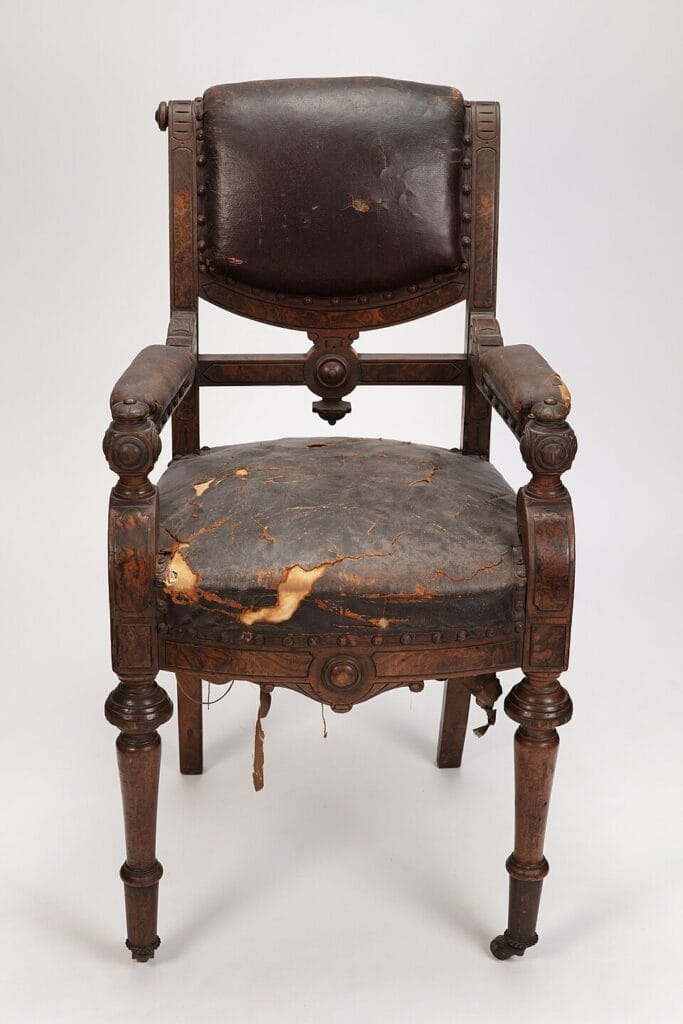
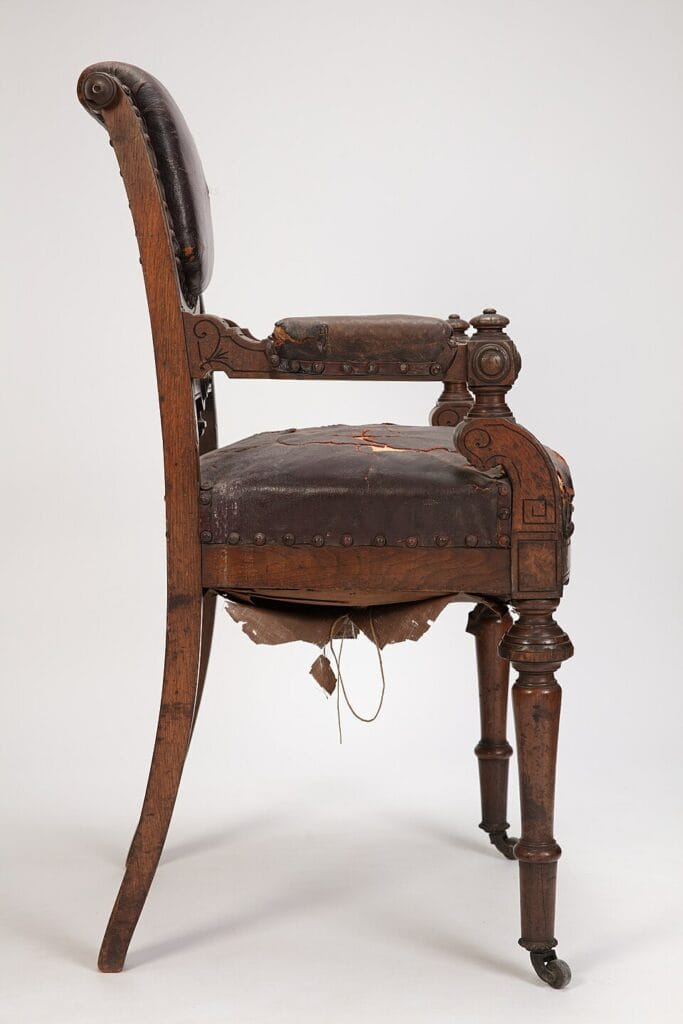
Upholstery Fabrics in the Victorian Era
Hangings and curtains: Wall hangings became democratized and privileged colonial decorative effects. Imported fabrics created exotic effects with their oriental motifs.
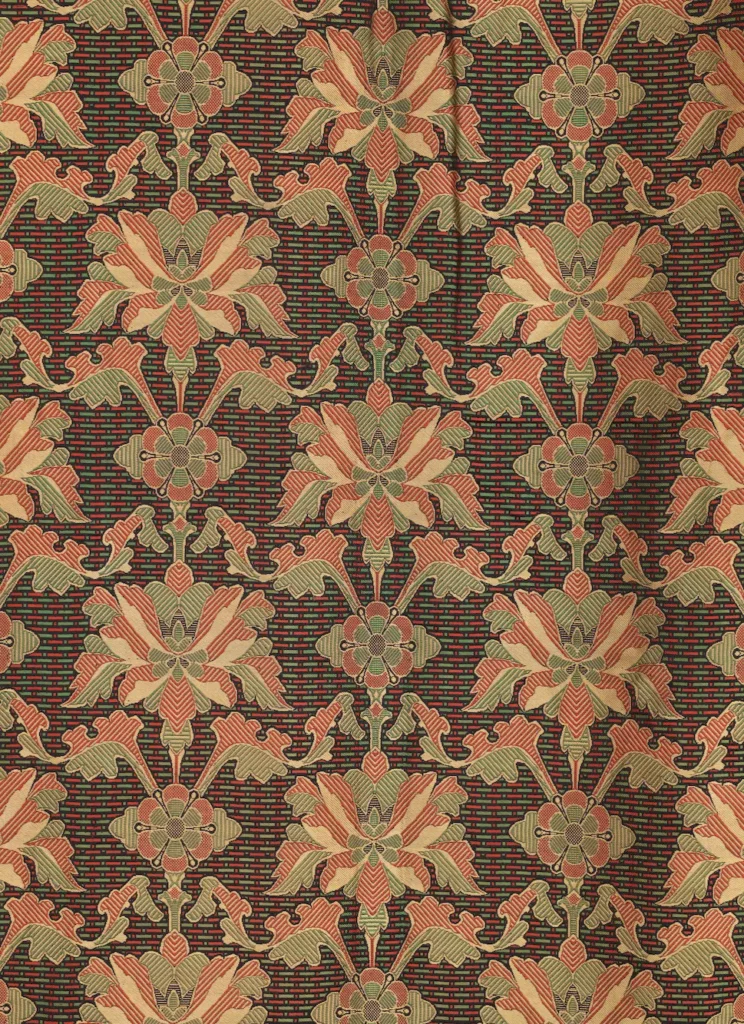
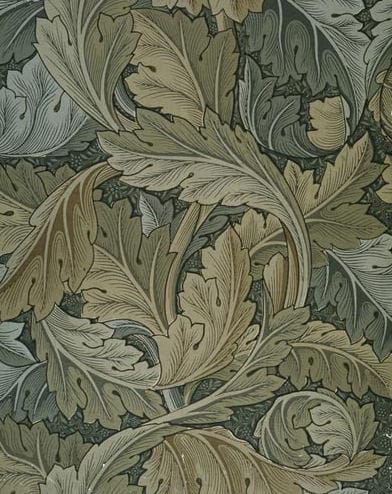
Designer Owen Jones, 1870–74
- Window curtains: Dark velvets with tropical floral motifs
- Portières: Oriental textiles, gilded braids
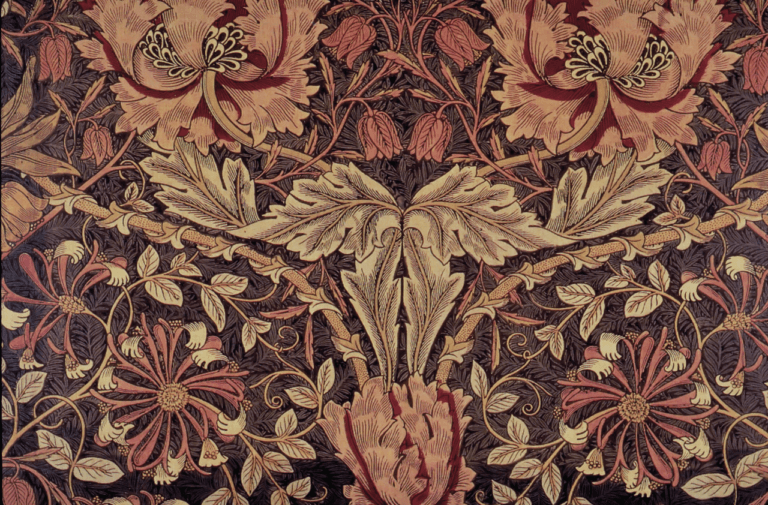
- Wallpapers: Morris naturalistic motifs or colonial references
Cushions and trims: The art of passementerie became industrialized
- Victorian braids: Eclectic motifs produced industrially
- Industrial fringes: Democratized quality ornaments
- Orientalizing cords: Decorative elements with colonial motifs

Techniques and Craftsmanship: British Industrial Innovation
Mechanized weaving: British looms dominated global production allowing industrial decorative effects:
- Perfected power loom: Industrial technique for complex mass-produced motifs
- Roller printing: Victorian innovation, quality mass production
- Chemical dyeing: Revolution of British synthetic colorants
Dyes and colors: British chemists developed revolutionary industrial techniques:
- Aniline discovery: 19th-century innovation for bright artificial colors
- Synthetic dyes: First industrial dyes for democratization
- Chemical mordanting: Industrial techniques for global production
Naturalistic plant motif, Arts & Crafts.
Evolution and Influences: Towards Art Nouveau
From 1880, Victorian textiles evolved under the influence of the Arts & Crafts movement and nascent Art Nouveau:
- Return to craftsmanship: Reaction against excessive industrialization
- Reinforced naturalist inspiration: Morris influence and search for authenticity
- Relative simplicity: Preparation of nascent Art Nouveau forms
This textile evolution accompanied artistic transformation leading towards Art Nouveau, testifying to the remarkable adaptability of British industry and the truly pioneering character of this aesthetic industrial revolution.
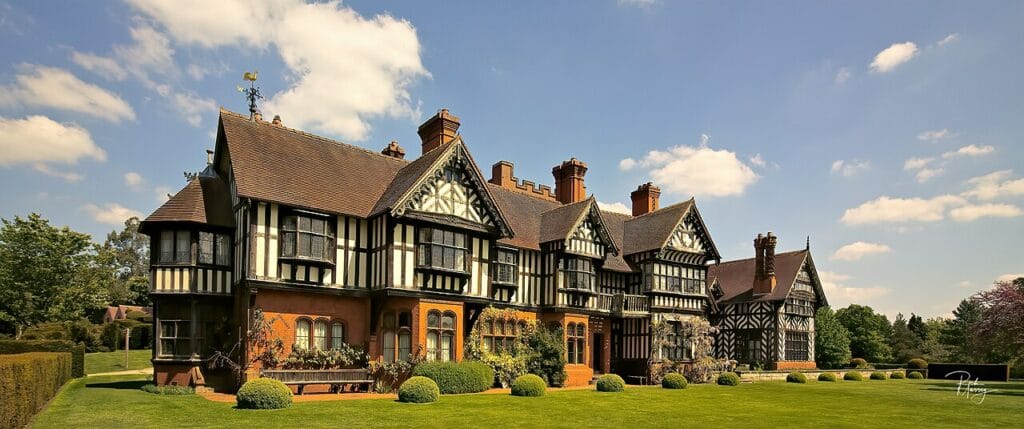
Victorian Furniture: The Invention of Industrial Comfort
Material revolution: Victorian style definitively transformed the use of materials by privileging production industrialization and domestic robustness in pragmatic industrial syntheses.
This revolutionary approach created an aesthetic of industrialized refinement that directly influenced modern mass-produced furniture.
Creators privileged available essences (colonial mahogany, walnut, exotic woods) for their value, enhanced by industrialized techniques.
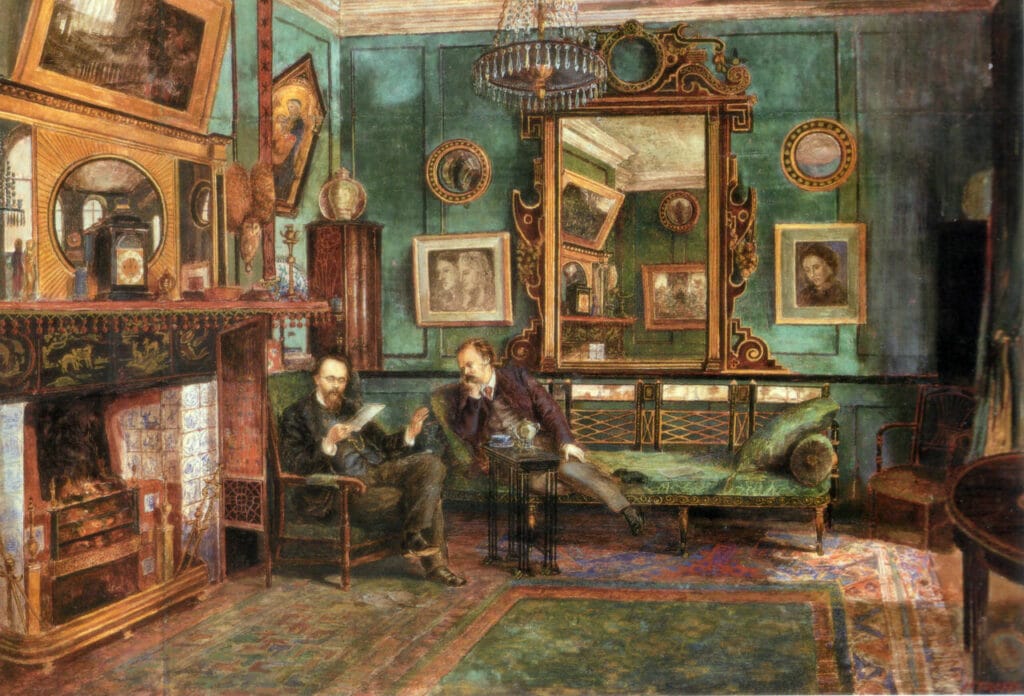
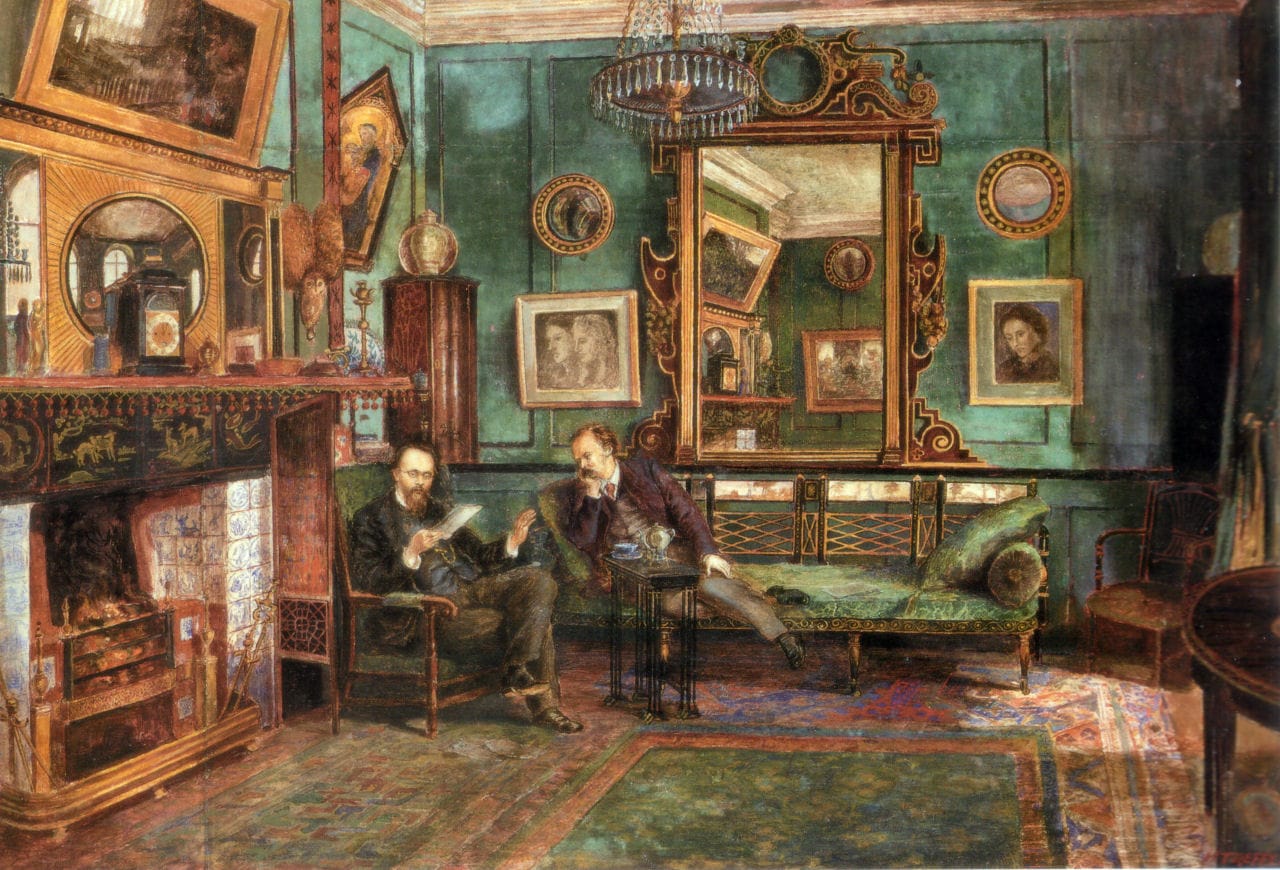
Gouache and watercolor by Henry Treffry Dunn.
National Portrait Gallery, London
The art of cabinetmaking evolved towards mechanized production: industrial veneers, mechanized marquetry, standardized assemblies created decorative effects of accessible beauty.
The major innovation resided in the harmonious integration of industrial techniques: mechanization, series production, British standardization revolutionized furniture aesthetics.
Formal revolution: Victorian furniture invented industrial domestic comfort by reconciling British tradition and technical innovation.
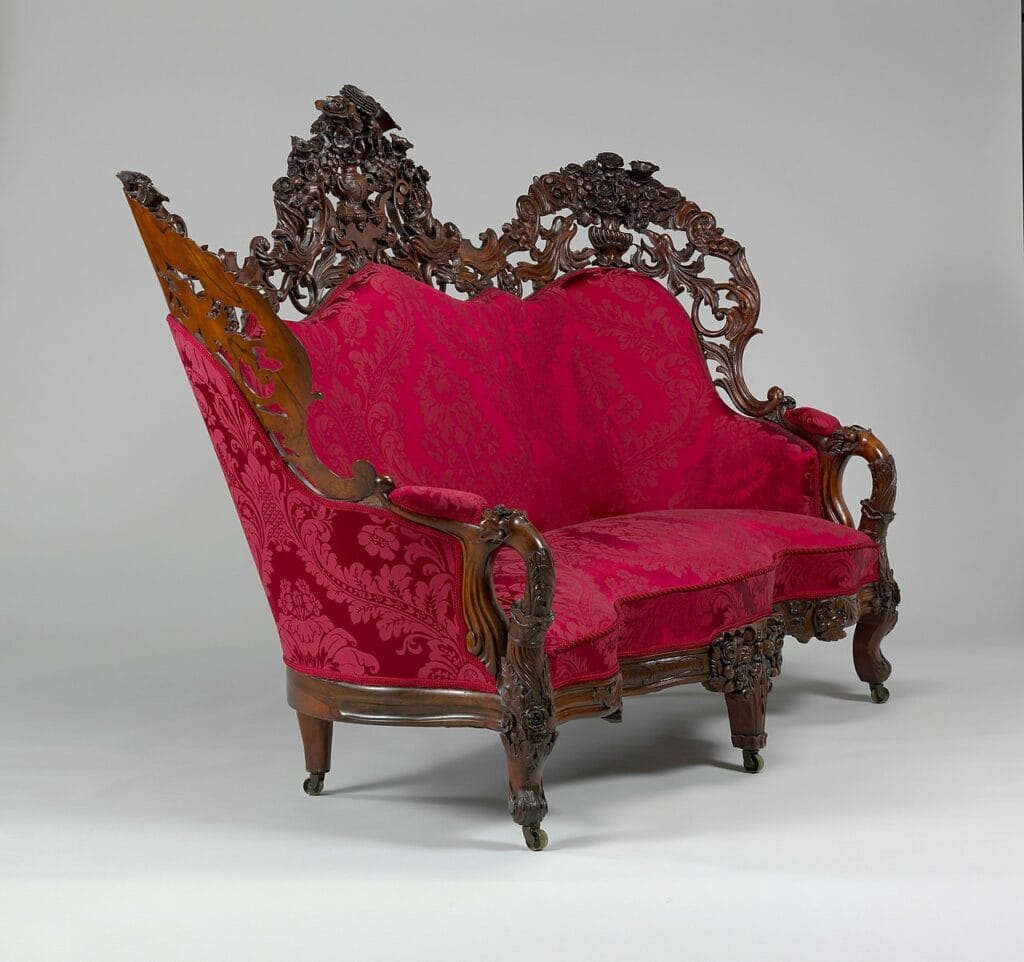
This innovative approach revolutionized the art of furniture and established the foundations of modern industrial design.
Inspiration drew from eclectic colonial art: Empire references, multiple influences, technical innovations nourished British industrial creativity.
Ergonomic and commercial research enriched this vocabulary: comfort studies, domestic psychology, art of the Victorian family inspired a democratic industrial aesthetic.
The ingenuity of British makers developed a furniture typology of accessible refinement, adapted to the new uses of Victorian industrial society.
Victorian interiors were characterized by their sophisticated eclecticism and optimized comfort, directly prefiguring modern industrial conceptions.
Colonial eclecticism and the use of industrial techniques created an aesthetic of democratized British refinement accessible to global middle classes.
Victorian Furniture Typology: The Art of Industrialized Living
Seating: Revolution of Domestic Comfort
Victorian seating revolutionized the art of sitting by reconciling domestic comfort and industrial production in creations of unparalleled formal practicality.
The adoption of ergonomic forms and industrially perfected upholstery definitively transformed the British seating tradition.
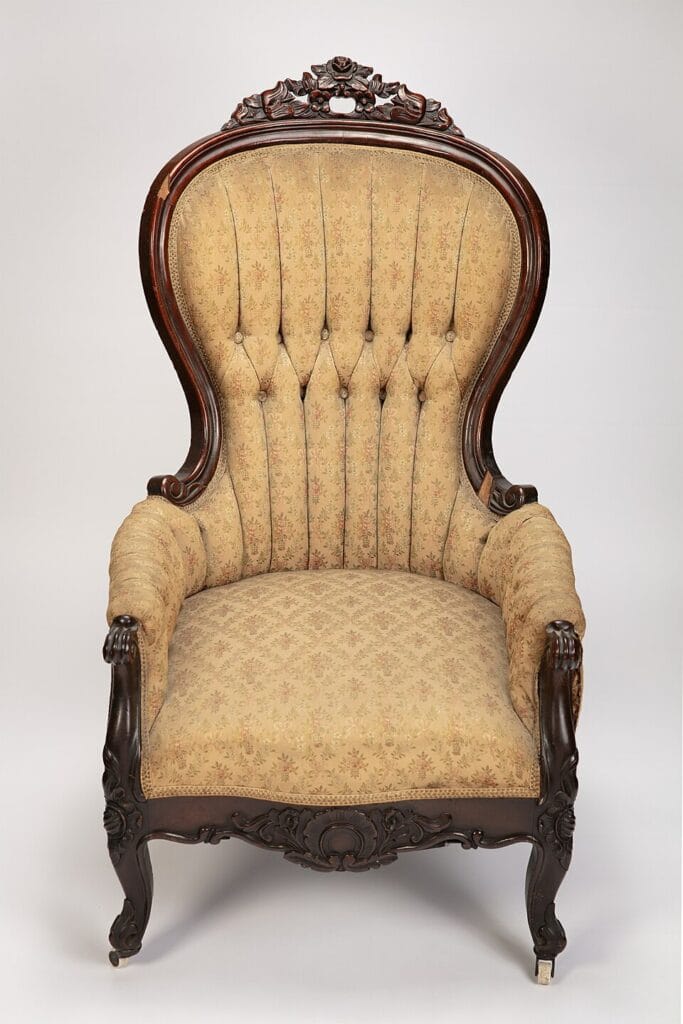
Decorative innovation harmoniously integrated eclectic sculptures, serial bronzes, and industrialized fabrics in compositions of domestic elegance.
Chesterfield armchairs adopted generous volumes and tufting of exceptional family comfort.
The parlor seat specialized with adapted creations accompanying the new uses of Victorian sociability.
Dining chairs developed a decorative repertoire of accessible richness, often inspired by colonial research.
Sofas and ottomans adopted domestic forms celebrating conversation and the art of family relaxation.
Parlor sets privileged eclectic harmony and practical modularity, creating reception furniture adapted to industrial bourgeois uses.
Functional Furniture: Innovation and Domesticity
Domestic revolution: Victorian style invented specialized domestic furniture that transformed the home into a theater of democratized industrial living.
This functional revolution reflected the evolution of family uses and the emergence of British industrial society.
Convenience furniture multiplied, testifying to the adaptation of domestic space and new rituals of family comfort.
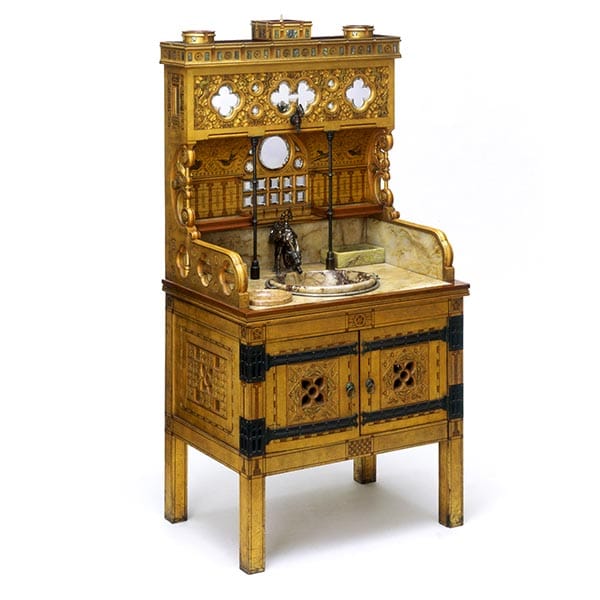
Display furniture elegantly integrated colonial objects in exceptional democratized decorative settings.
Tables: Sculpting Accessible Elegance
The Victorian table revolutionized the art of table-making by privileging decorative practicality and colonial materials.
Storage: Decorative Family Architecture
Victorian style transformed storage furniture into decorative elements that simultaneously structured and embellished industrial family space.
Bookcases adopted practical eclectic compositions, often rhythmed by industrial bronzes and accessible veneers.
Secretaries developed a formal vocabulary of remarkable democratized richness, adorned with industrialized mechanisms of accessible finesse.
Bedroom Furniture: Family Intimacy
Victorian style revolutionized bedroom furniture by creating ensembles of practicality and domestic intimacy.
The family bed adopted comfortable forms, often enhanced with varied industrialized fabrics.
Nightstands, dressers, and wardrobes formed coherent ensembles that transformed the bedroom into a sanctuary of family intimacy.
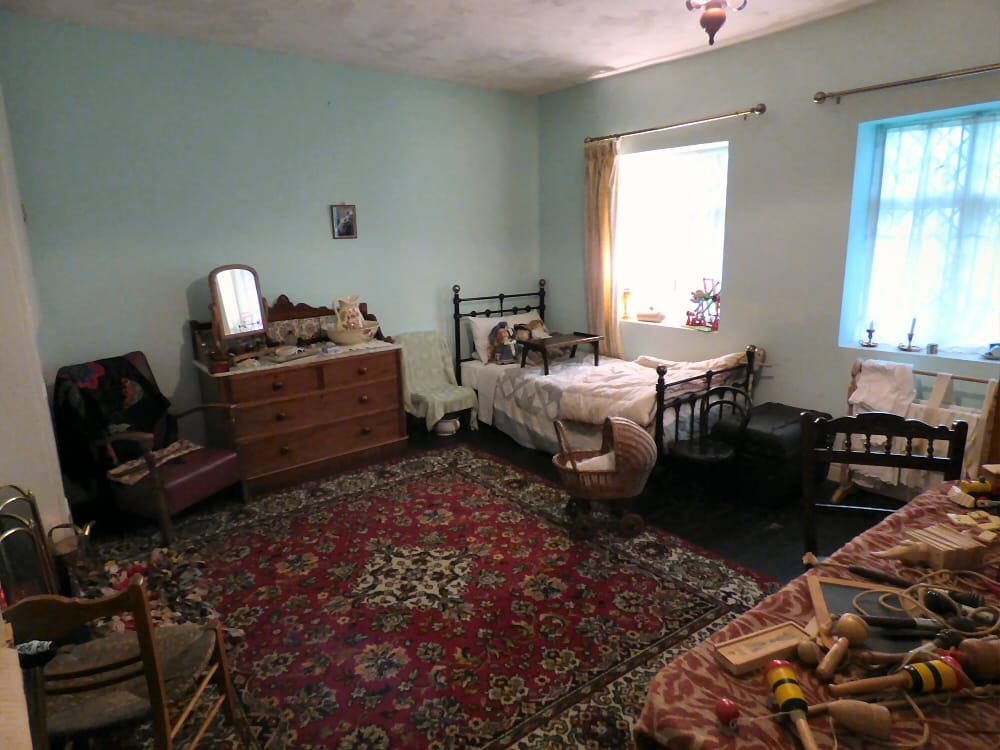
Clayton Hall, England.
Photo: Gerald England – CC BY-SA 2.0 (via Geograph).
Lighting: Sculpting Domestic Warmth
Victorian style revolutionized the art of lighting by creating luminaires that became true domestic decorative sculptures.
Creations by Elkington & Co, James Dixon & Sons, and Perry & Co transformed artificial lighting into an accessible decorative spectacle.
The Virtuosos of Victorian Style
Victorian style revealed an exceptional generation of creators who definitively revolutionized Western art and established new democratic industrial aesthetic standards.
William Morris: The Master of Modern Craftsmanship
William Morris (1834-1896) embodied the reaction against excessive industrialization and brought decorative art towards its return to quality craftsmanship.
His genius resided in his ability to synthesize British tradition and artistic innovations in creations of unparalleled natural beauty.
The Morris & Co workshop revolutionized decorative arts by re-humanizing techniques and developed craft methods that durably influenced European art.
His creations for the enlightened bourgeoisie definitively established the British alternative to industrialization in the art of humanized design.
Augustus Pugin: The Inventor of Neo-Gothic
Augustus Pugin (1812-1852) revolutionized architectural art by inventing Victorian neo-Gothic, an aesthetic of revolutionary spirituality.
His philosophy of “rediscovered Christian art” profoundly influenced European living and still inspires current creators.
His collaborations with artisans created architecture of unique functionality and spiritual beauty.
Christopher Dresser: The Architect of Industrial Design
Christopher Dresser (1834-1904) transformed design into the art of industrial aesthetics and imposed Great Britain as a global reference in democratized decorative art.
His industrial innovations revolutionized the art of design and enabled creations of revolutionary functionality and accessibility.
Industrial productions spread British excellence across all continents and directly prepared modern flourishing.
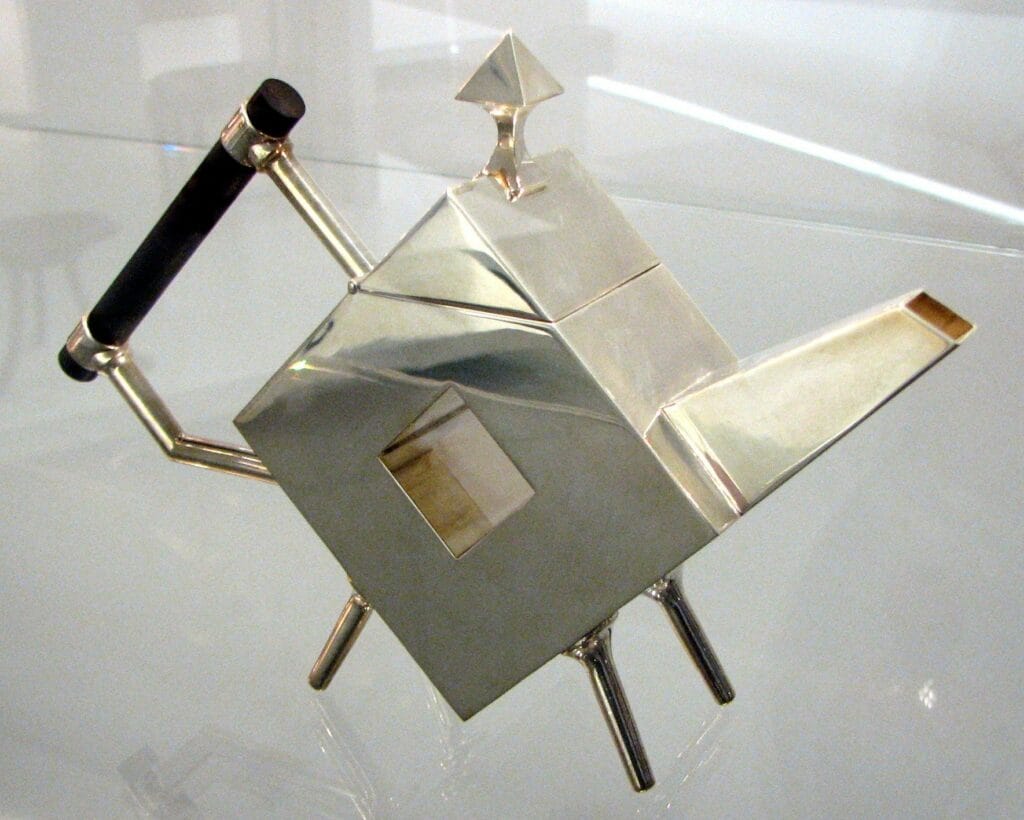
The Masters of Decorative Arts
Liberty & Co revolutionized the art of importation by developing commercial techniques that transformed exotic objects into accessible art.
Their innovations (colonial sourcing, British adaptation) transformed the art trade into a major industry and influenced all democratic evolution.
Minton developed a ceramic art of industrialized quality, while Elkington & Co explored the potentialities of electroplated silversmithing.
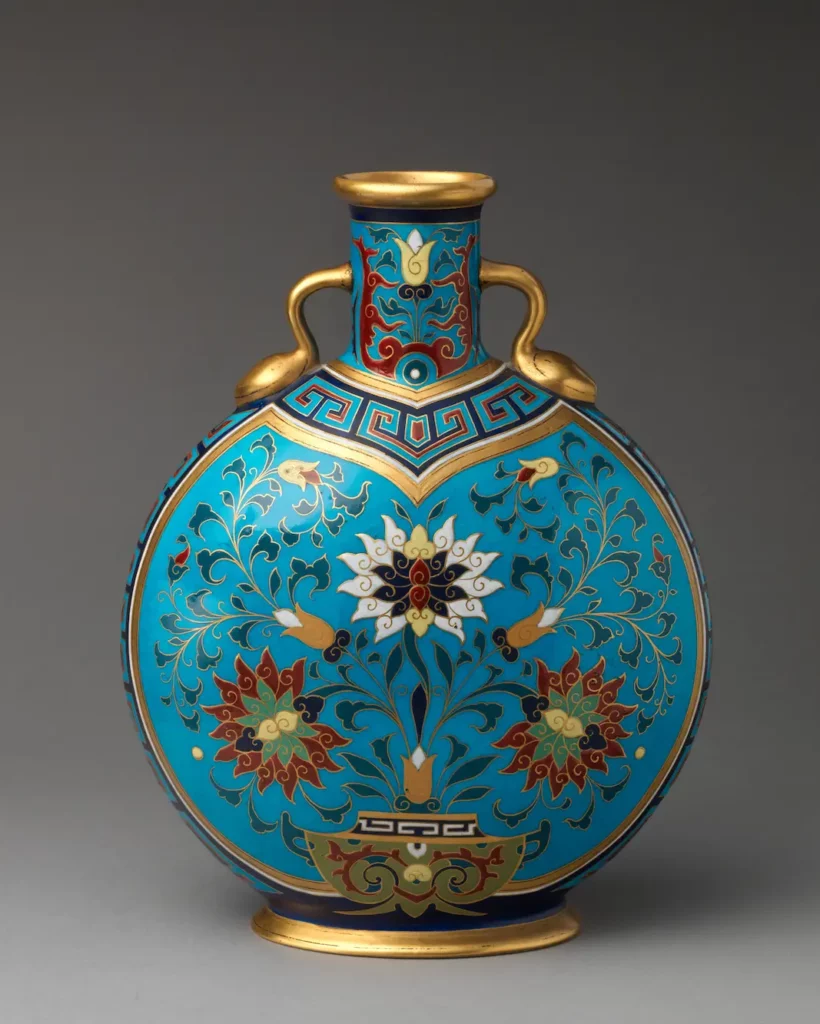
Minton, 1870-1880
The Victorian Market: Between Industry and Craftsmanship
Iconic Pieces and Industrial Production
The Victorian market reveals a particular segmentation between artisanal masterpieces and documented industrial creations. This qualitative duality confers upon artisanal originals the status of major Arts & Crafts heritage.
The Collector’s Grails:
Morris & Co pieces (1860-1940) reach peaks at international auctions. Records concern Morris textiles and Arts & Crafts furniture.
Original William Morris wallpapers are negotiated between €500 and €5,000 depending on rarity and condition. Period Morris textiles regularly exceed €2,000 per meter.
Documented Arts & Crafts furniture varies from €3,000 to €80,000, while complete Morris ensembles can reach €150,000.
French Market: British Heritage
Specialized Parisian Galleries:
Galerie Steinitz (7th): selection of Victorian British furniture. Arts & Crafts furniture: €8,000 to €60,000.
Galerie Perrin (Saint-Germain): specialist in British decorative arts. Victorian objects: €500 to €15,000 depending on pieces.
Galerie Nicolas Lenté: expert in period Victorian furniture. British seating: €1,200 to €12,000.
International Market: Fascination with Empire
Great Britain – Domestic Market:
London maintains a reference market for Victorian furniture and objects.
Bonhams and Sotheby’s London: specialized expertise in Victorian period.
London Price Ranges:
- Period Chesterfield armchair: £800 to £8,000
- Morris wallpapers: £300 to £3,000
- Minton ceramics: £200 to £5,000
United States – Specialized Collectors:
New York concentrates important collections of British Arts & Crafts.
Christie’s and Sotheby’s NYC: regular sales for Morris & Co pieces.
Reproductions and Contemporary Market
Specialized Workshops:
Morris & Co continues to produce certain historical patterns under license with traditional techniques.
Contemporary Artisans:
Sanderson: faithful reproduction of Morris wallpapers. Morris-style wallpapers: €80 to €200 per roll.
Liberty London: maintains certain Victorian textile traditions. Liberty-style fabrics: €150 to €400 per meter.
Expertise and Authentication
Authenticity Criteria:
Period marks are important: Morris & Co, Liberty, Minton, Elkington.
Period techniques reveal authenticity: block printing, natural dyes, traditional assemblies.
Morris wallpapers are distinguished by their artisanal printing and their period natural colorways.
Specialized Expertise:
William Morris Society: authentication for Morris & Co pieces.
Victoria & Albert Museum: expertise for major Victorian decorative arts.
Investment and Capital Gains
Price Evolution (2010-2024):
Authentic Arts & Crafts pieces have seen their value multiplied by 2 to 4 in fifteen years.
Original Morris wallpaper: €800 in 2010, €1,800 in 2024.
Documented Arts & Crafts armchair: €3,000 in 2010, €8,500 in 2024.
Creating with Victorian Today
Integrating Victorian Heritage: Tradition and Comfort
Contemporary integration of Victorian requires a measured approach to avoid the “British museum” effect.
Selective approach: A period Chesterfield armchair in a contemporary living room brings a note of authentic tradition of timeless elegance.
Traditional codes: Morris wallpapers and Liberty textiles create a warm decorative effect, more authentic than decorative.
Errors to avoid: Accumulation of Victorian eclecticism, mixing too many colonial references, decorative overload that betrays the spirit of domestic comfort.
What Decorative Movement After Victorian?
After Victorian style (1837-1901), evolution proceeded towards:
Styles that directly succeeded Victorian:
1. Art Nouveau (1890-1910) 🇪🇺
Countries: Europe (Belgium, France, Austria)
Characteristics: Curved lines, natural motifs, rejection of historicism
Figures: Victor Horta, Hector Guimard, Charles Rennie Mackintosh
2. Arts & Crafts (1880-1920) 🇬🇧🇺🇸
Countries: Great Britain, United States
Characteristics: Return to craftsmanship, simplicity, honest functionality
Figures: William Morris, Gustav Stickley, Charles Robert Ashbee
3. Edwardian Style (1901-1910) 🇬🇧
Country: Great Britain
Characteristics: Lightening of Victorian, continental influences, modern comfort
Figures: Edwin Lutyens, Charles Voysey, Ambrose Heal
4. Wiener Werkstätte (1903-1932) 🇦🇹
Country: Austria (Vienna)
Characteristics: Modern geometry, luxury craftsmanship, total design
Figures: Josef Hoffmann, Koloman Moser, Dagobert Peche

Digital entrepreneur and craft artisan.
My work bridges craftsmanship, design history and contemporary creation, shaping a personal vision of luxury interior design.
Since 2012, I have been based in my workshop on the shores of Lake Annecy, creating bespoke interiors for architects, decorators and private clients.