

Pets are Kings: Design and luxury for dogs and cats
Luxury Pet Design: HART Design Selection’s High-End Edit
The world of pet products—often referred to as pet care—is undergoing a true aesthetic revolution. HART Design Selection presents a curated edit of objects and accessories that seamlessly combine functionality with design excellence. The ambition is simple: elevate your pet’s daily essentials to the same level of taste as the rest of your interior.
Gone are the days when pet accessories clashed with interior décor. Today, renowned designers, artisanal studios, and luxury houses are creating collections that transform everyday pet essentials into genuine design pieces—quietly sophisticated, beautifully made, and meant to last. This selection is intended for discerning pet owners who refuse to compromise on aesthetics while offering the very best to their loyal companions.
From sculptural furniture to refined feeding stations, the codes are shifting: clean lines, noble materials, and a real attention to proportion. The best pieces are not “cute”—they are coherent, architectural, and sensorial. And when a pet object is well-designed, it becomes part of the room rather than an item to hide.
The Essential Luxury Pet Brands
Before we dive into categories, let’s name the brands shaping this high-end universe. They share the same fundamentals: impeccable finishes, materials that age beautifully, and a sensibility aligned with contemporary interiors. In other words—products you would happily leave in the living room.
Wild One is known for minimalist accessories with refined color palettes and practical ergonomics. MiaCara (Germany) stands out for architectural pet furniture and elevated textiles. Tuft + Paw reimagines the feline world with sculptural litter boxes and cat trees that look like modern objects rather than “pet gear.” Berlin-based Cloud7 offers premium dog essentials with a quiet luxury mood—clean silhouettes, beautiful fabrics, and durable construction.
Other names worth tracking for a more fashion-led or editorial aesthetic: maxbone (modern lifestyle accessories), Labbvenn (European design approach), Lord Lou (cats, playful-yet-polished), and Poldo Dog Couture (fashion-inspired dogwear). The point is not to buy “more,” but to buy better: a limited set of pieces that feel coherent with your home.

Tip: when you curate a luxury pet corner, match textures the same way you would with cushions or throws—one bouclé, one smooth leather, one matte metal. Consistency is what makes the object look “designed,” not improvised.
When Luxury Fashion Enters the Pet Care World
Hermès, Louis Vuitton, Dior, Gucci, Fendi… and their foray into the animal universe.
The great luxury houses could not remain indifferent to this rapidly expanding market. Hermès applies its leather craftsmanship to collars and leashes with exceptional finishes. Louis Vuitton offers monogrammed pet carriers and porcelain bowls. Dior creates capsule collections featuring branded bandanas and coats. Gucci multiplies logo-adorned accessories, while Fendi develops complete lines including luxury toys. These initiatives reflect the growing role of pets in contemporary lifestyles and the desire of owners to share their aesthetic universe with their companions.

Designer Furniture for Pets
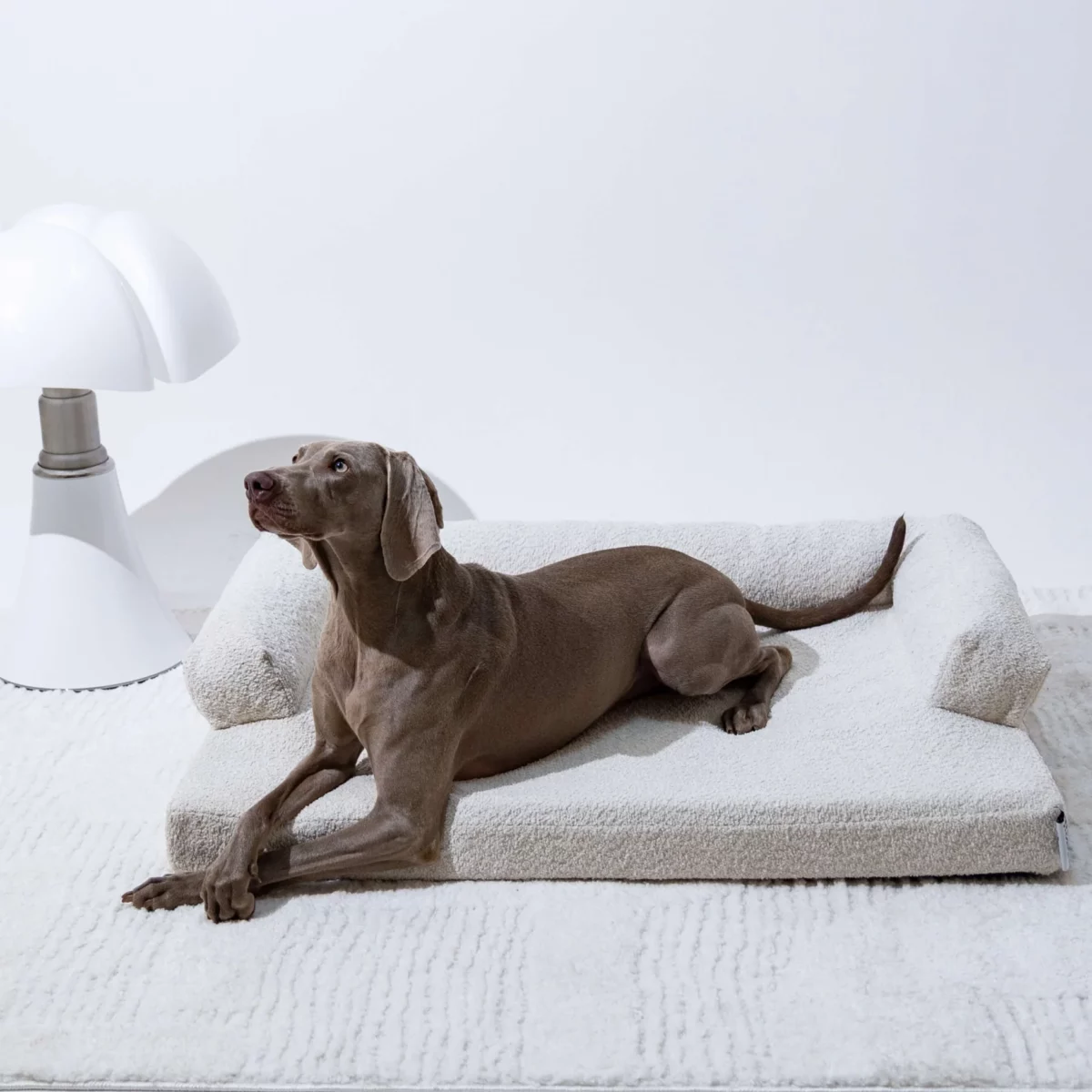
Beds, cushions, integrated solutions. Pet furniture now transcends its purely utilitarian function to become a fully-fledged element of interior design. Designer beds combine ergonomics and aesthetics, featuring structures in noble wood, brushed metal, or natural rattan.
Cushions are dressed in exceptional fabrics: washed linen, ribbed velvet, bouclé wool, or full-grain leather. Integrated solutions elegantly conceal pet resting areas within multifunctional furniture—console tables with built-in niches, benches with hidden beds, or bookcases incorporating dedicated pet spaces. These creations blend effortlessly into contemporary, Scandinavian, or classic chic interiors.
In high-end interiors, the most convincing pieces follow the same rules as human furniture: correct scale, stable structure, and a finish that feels deliberate. Choose a bed that looks like a small daybed, a cushion with upholstery-grade fabric, or a niche built into cabinetry. Good pet design is not a “gadget”—it is a micro-architecture.

Designer Habitats and Refuges
Dog houses and architectural cat trees turn animal habitats into functional sculptures. Designer kennels reinterpret architectural codes with bold geometric forms and contemporary materials such as birch plywood, wool felt, or powder-coated steel.
Cat trees are no longer unsightly towers covered in synthetic carpet, but refined furniture pieces crafted from solid oak, walnut, or bamboo. Some designers offer modular structures that adapt to changing needs and living spaces. These refined refuges transform pet living areas into decorative elements that integrate harmoniously into the home while naturally drawing admiration.
If you want a truly “invisible luxury” result, consider placement: a niche under a console, a bench with a hidden cushion, or a cat structure positioned like a sculptural totem beside a window. The best pet corners feel curated, not improvised.
Designer Feeding Solutions
Mealtime becomes an aesthetic experience thanks to bowls that rival decorative objects. Hand-glazed artisanal ceramics, fine porcelain, stoneware, brushed stainless steel, or aged brass bring noble materials to the table of our companions. Designers propose harmonious sets with raised stands in solid wood, marble, or steel—often height-adjustable for optimal digestive comfort. Some creations integrate minimalist automatic feeders, silent water fountains with contemporary lines, or complete feeding stations with built-in storage. Everyday objects become true decorative pieces that enhance the kitchen or dining area.
Here, luxury is also about discretion: cables hidden, surfaces easy to clean, and volumes that don’t visually clutter the room. A good feeding station should read like a small side table—quiet, balanced, and intentional.
Essential Designer Accessories
Everyday accessories receive particular attention from designers. Collars and leashes are crafted from naturally tanned vegetable leather, refined recycled nylon, or ultra-resistant technical materials, all finished with meticulous care.

Ergonomic harnesses combine safety and elegance with intelligent fastening systems and neoprene padding. Toys transcend their playful function: balls made of natural wool felt, hand-braided organic cotton ropes, or interactive structures crafted from certified wood. Pet clothing draws inspiration from fashion trends, featuring technical raincoats with tailored cuts, cashmere sweaters, or quilted coats with clean lines—offering both protection and style during daily walks.
In luxury pet design, the difference is always in the details: the weight of the hardware, the quality of stitching, the way a fabric holds its shape, and how the object ages over time. Choose pieces that feel as good as they look—because true luxury is tactile.