


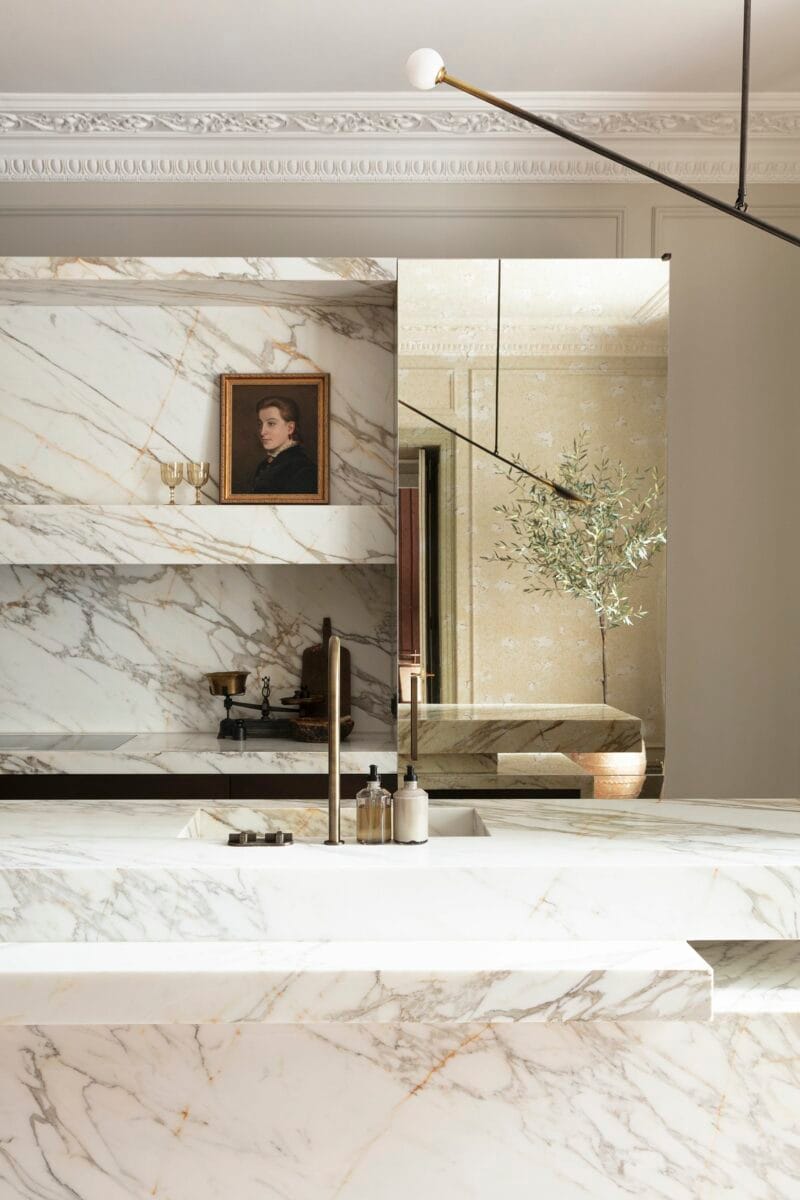
The Ultimate Guide to Luxury & High-End Kitchens: Exceptional Brands, Materials & Technologies
The kitchen is the room that works hardest and is looked at most. It is a workshop, a living room and a stage at once: heat, water, knives and acids test its materials every day, while guests gather around its island in the evening. A high-end kitchen is not one that has the most expensive appliances, but one where planning, materials and craftsmanship work so well together that cooking becomes effortless.
This guide brings together the great kitchen houses, the materials that last, the appliances worth investing in, the rules of good planning and the details that make the difference, with links to our in-depth guides on each subject.
The great kitchen houses
Each house has its philosophy. In Italy, Boffi defines architectural minimalism, Poliform extends its furniture culture to the kitchen, Dada and Arclinea work with great designers, and Valcucine has made durability and recyclability a founding principle. In Germany, Bulthaup has shaped the modern kitchen as a workshop, while Poggenpohl and SieMatic carry a long industrial tradition. In Belgium, Obumex signs bespoke kitchens of rare restraint, and in England, Smallbone of Devizes embodies the hand-painted, cabinetmaker’s kitchen.
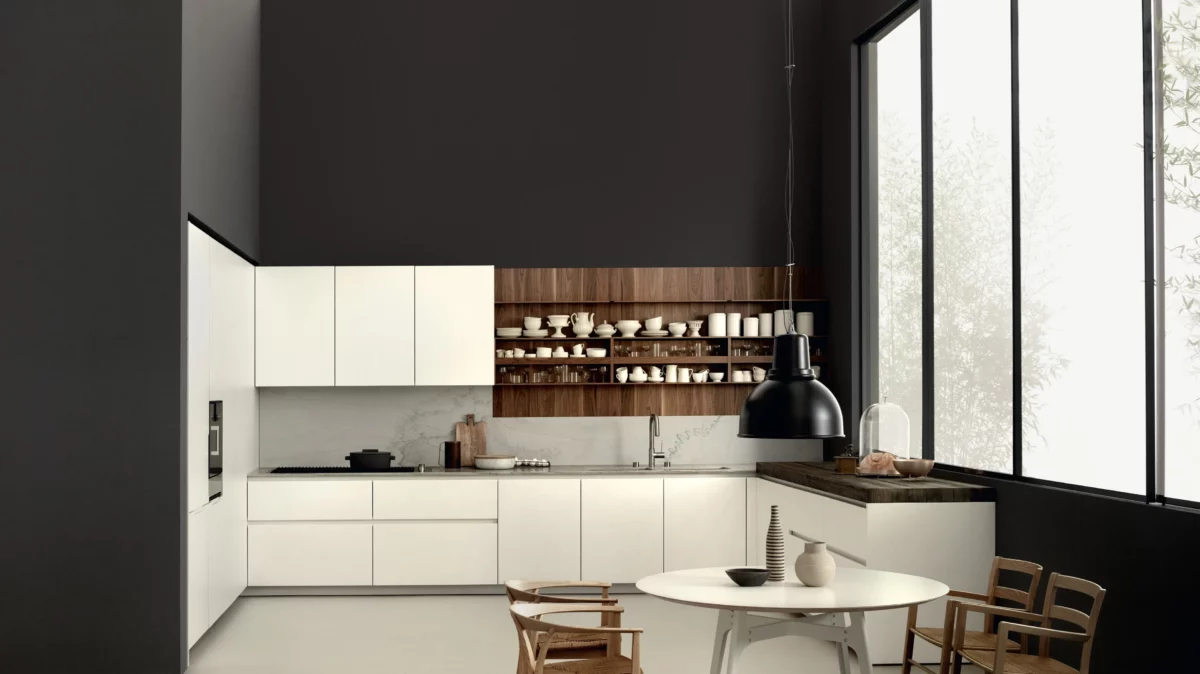
ReadThe greatest European luxury kitchen brands · House portraits: Boffi, Obumex, Smallbone of Devizes, Poliform
Materials
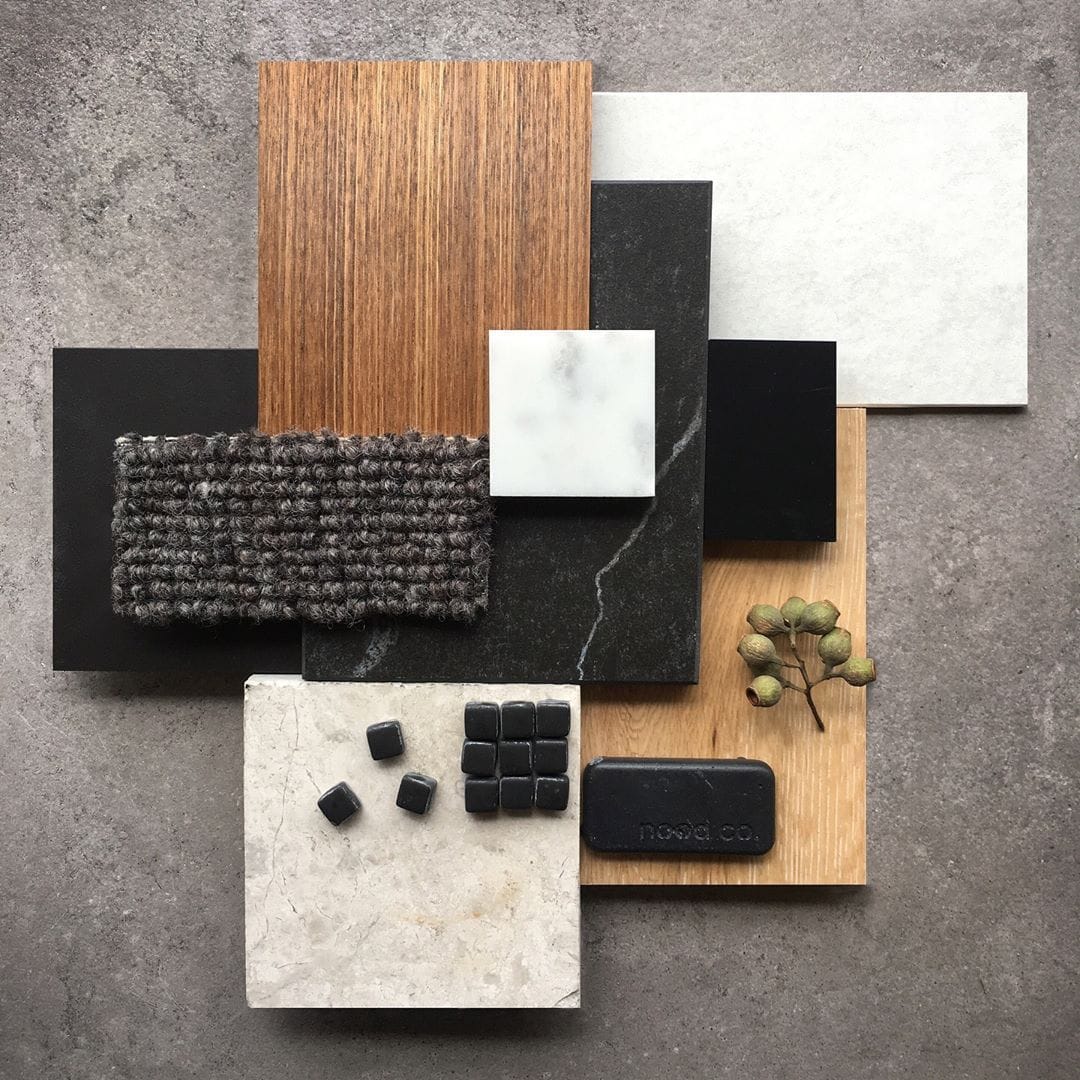
A kitchen worktop takes heat, knives, water, wine, lemon and oil. No material is perfect; each one asks for a compromise between beauty and resistance.
- Natural stoneMarble is the most beautiful and the most fragile: lemon, wine and vinegar etch it. Granite and true quartzite resist far better. Choose a honed finish and seal it.Worktops, splashbacks, islands
- Sintered stone and ceramicsLarge ceramic or sintered slabs resist heat, stains and scratches, in very convincing stone looks. Edges can chip, so ask for well-designed edge details.Worktops, cladding, tables
- WoodOak, walnut or teak bring warmth and age beautifully if oiled regularly. Keep them away from the sink, or choose end grain for chopping zones.Fronts, islands, open shelves
- MetalStainless steel is the professional’s choice; brass, copper and zinc are living finishes that patinate. All of them scratch: that is their charm.Worktops, sinks, hardware
Engineered quartz, made of crushed stone bound with resin, is stain-resistant but sensitive to heat; its fabrication also raises serious health concerns for stoneworkers because of silica dust, to the point that Australia banned it in 2024. Our guide to noble kitchen materials compares every option, and our stone and marble guide, wood guide and metal guide go deeper into each family.
Appliances
The finest appliances often hide behind the most discreet fronts. Miele is known for its combination steam ovens, Gaggenau for its professional-inspired ovens and hobs, Sub-Zero and Wolf for American refrigeration and cooking. The great French ranges, La Cornue and Lacanche, are pieces of furniture in their own right. Bora popularised hobs with integrated downdraft extraction, and boiling-water taps such as Quooker have become an expected detail. Read our article on premium appliances.
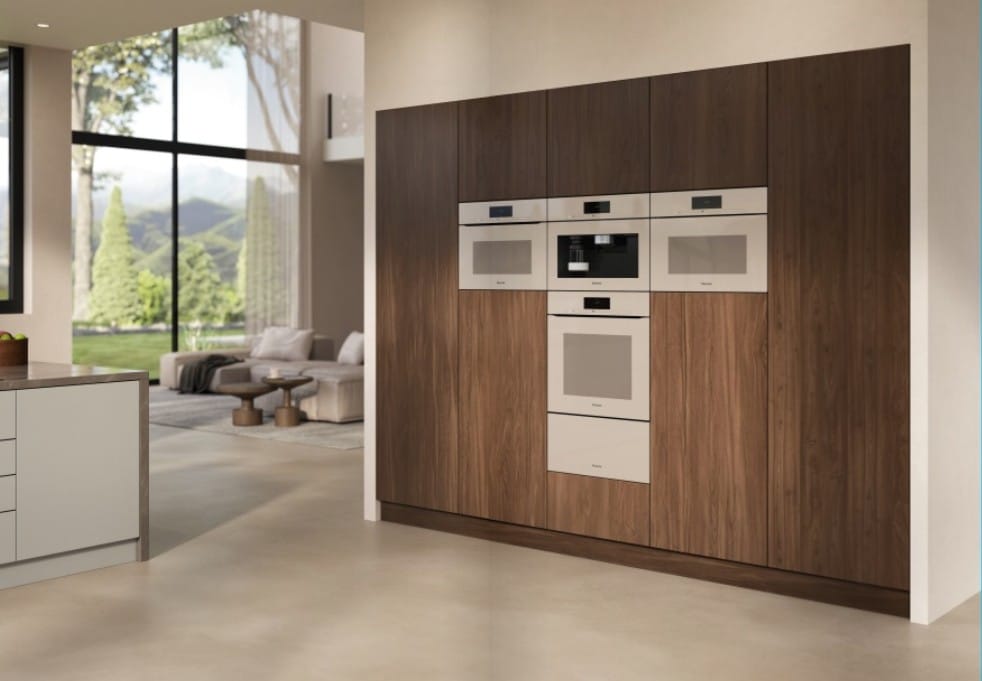
Choose appliances before drawing the furniture: a range cooker, a column of ovens or a full-height refrigerator dictates the layout. Prefer induction for precision and safety, check the extraction rate against the volume of the room, and think about repairability and spare parts. Connected features are useful when they simplify; a well-designed home automation system should never make cooking more complicated.
Planning and ergonomics
The classic work triangle links the sink, the hob and the refrigerator; its three sides together should measure roughly 4 to 8 m (13 to 26 ft), with no main circulation crossing it. Today, designers think in zones rather than in a triangle, following the order in which we actually cook.
- StoreRefrigerator, pantry, dry goods: near the entrance of the kitchen, so shopping can be unpacked without crossing the room.Cold and dry storage
- PrepareThe longest stretch of worktop, between the sink and the hob, with knives, boards and bins at hand.At least 90 cm of clear worktop
- CookHob, ovens and extraction grouped together, with heat-resistant landing space on each side.Hob, ovens, extraction
- Wash and put awaySink, dishwasher and the cupboards for plates and glasses close together, so unloading takes seconds.Sink, dishwasher, crockery
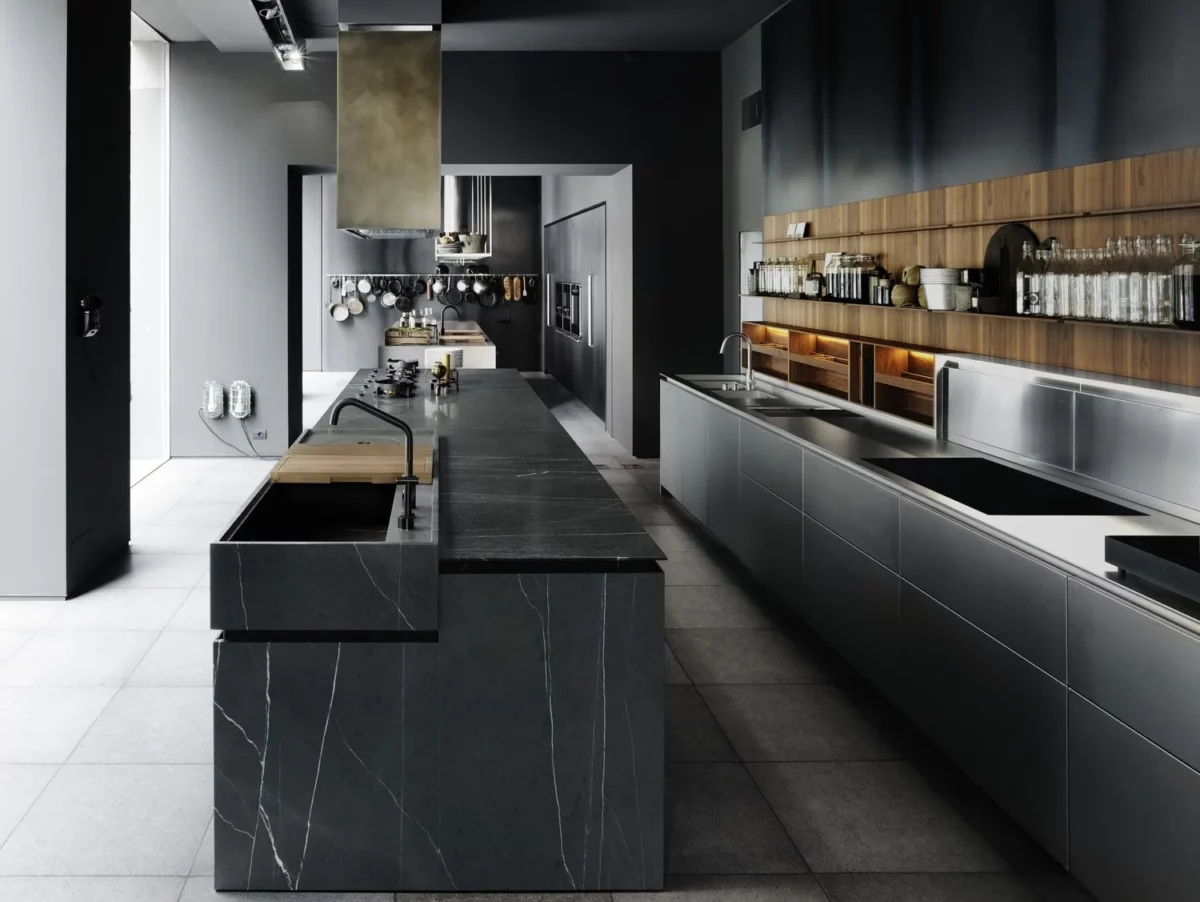
Allow 100 to 120 cm (40 to 48 in) of clearance around an island, set worktop height to the cook rather than to the catalogue, and prefer deep drawers to low cupboards. A back kitchen or scullery, where mess and small appliances can hide, has become the true luxury of large houses. Our article on kitchen design and ergonomics goes further.
Light
Light the work first: continuous task lighting under wall units or shelves, without shadows on the worktop. Then the island, often with pendants, hung high enough not to block the view across the room. Then ambient and accent light for the evening. A high colour rendering index, 90 or above, makes food and materials look as they should. See our lighting guide and our article on LED innovations.
Textiles, walls and details
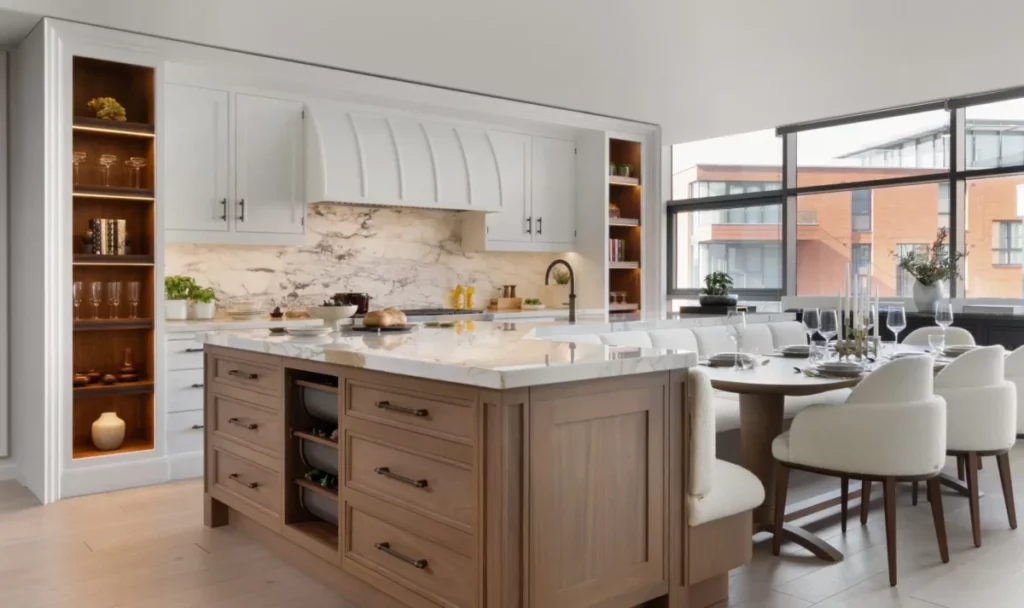
The kitchen is now a living room, and textiles have entered it. An upholstered banquette or bar stools call for hard-wearing, cleanable fabrics: solution-dyed outdoor fabrics or tightly woven performance fabrics with a high Martindale rating; our upholstery fabrics guide explains how to choose. Linen blinds soften the windows, provided they are kept away from the hob.
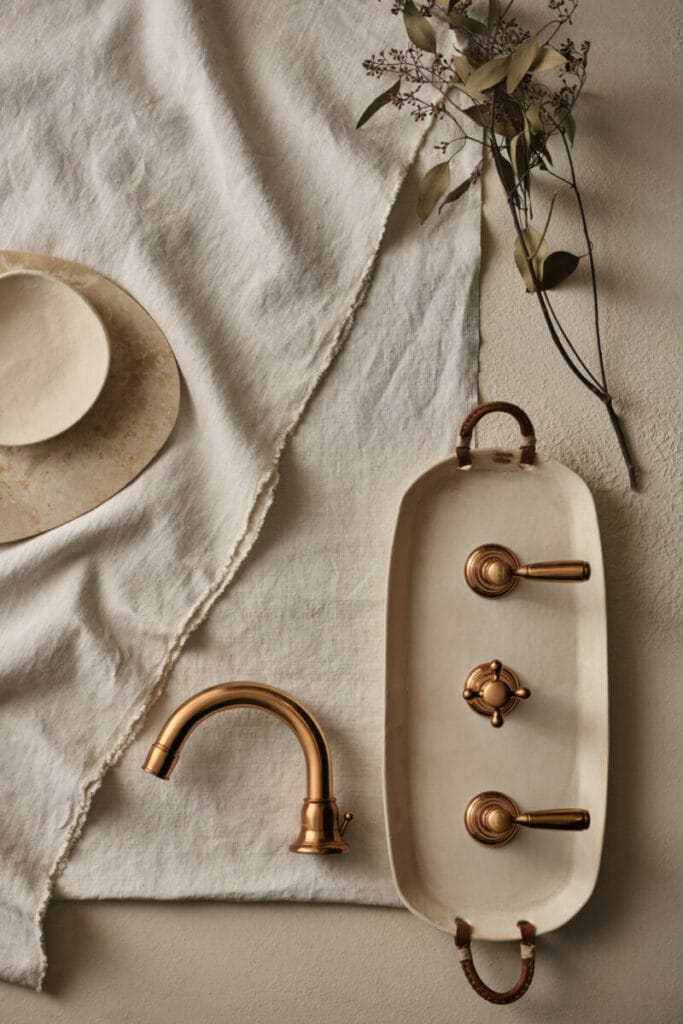
On the walls, a scrubbable wallpaper works away from heat and splashes; check its pictograms. Hardware is the jewellery of the kitchen: solid brass handles, well-weighted hinges and drawers that close silently are where the hand feels quality. Behind all of it stand cabinetmakers and joiners, those of our craftspeople guide.
Where the kitchen is going
- Durability over noveltySolid materials, repairable appliances, carcasses that can take new fronts in fifteen years.
- The disappearing kitchenTall cupboards with pocket doors that hide appliances, integrated extraction, handleless fronts.
- The back kitchenA second, hidden working kitchen in large homes, leaving the main room calm.
- Warmer materialsWood, honed stone and living metals, in the spirit of quiet luxury.
- Induction everywhereMore precise, safer, easier to clean, and the end of gas in many new homes.
Frequently asked questions
Is marble a good choice for a kitchen worktop?
Yes, if you accept its patina: it etches with acids and stains if not sealed. For a perfect surface, choose granite, quartzite or a sintered slab.
Island or peninsula?
An island needs at least 100 cm of clearance on every side; below that, a peninsula works better. Decide what the island is for: preparation, cooking, washing or eating, rarely all four.
Which hob for a high-end kitchen?
Induction for precision and ease of cleaning; a gas wok burner or a range cooker for those who cook a lot. Plan extraction at the same time.
Latest articles on kitchens
Kitchen Design & Ergonomics: the Secrets Behind a Perfect Kitchen
Smallbone of Devizes: English majesty at the heart of the kitchen
Samuel Heath: when hardware becomes a philosophy of excellence
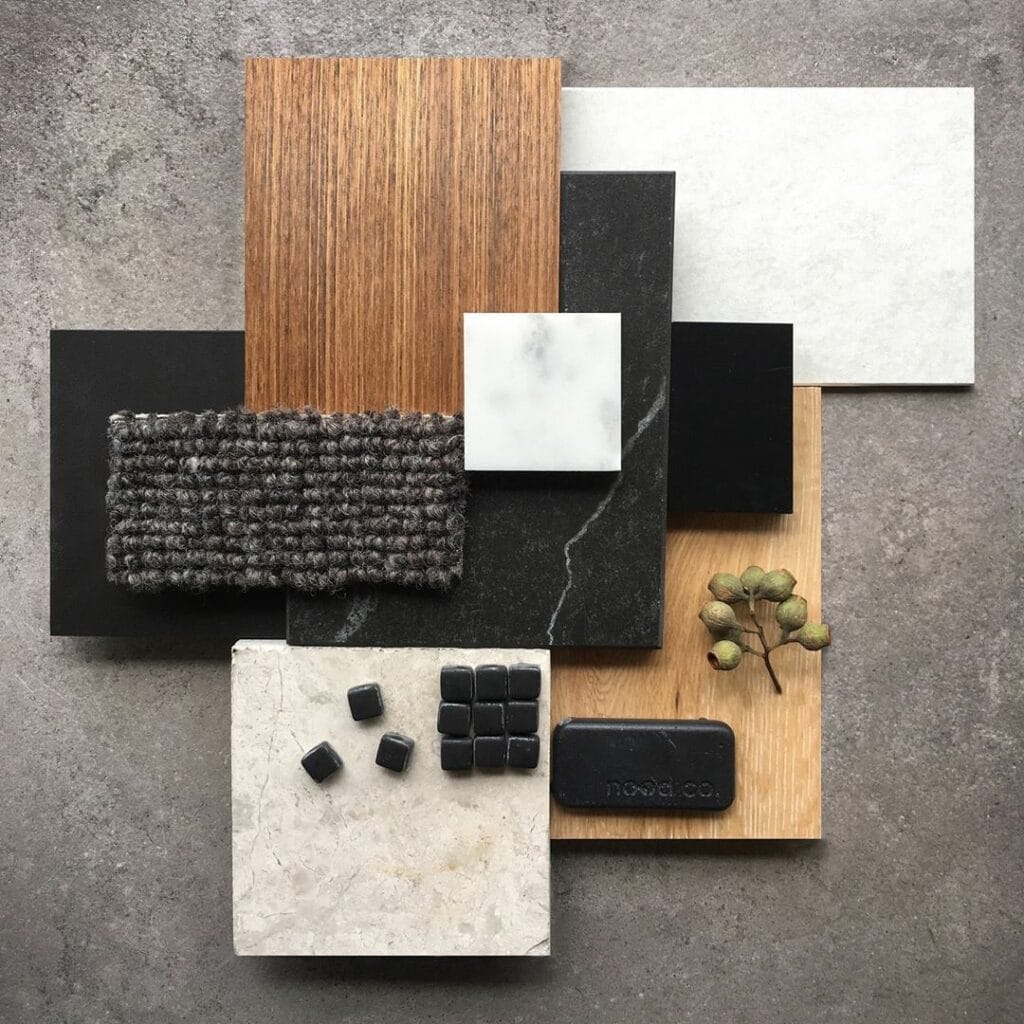
Noble Kitchen Materials: Marble, Granite, Precious Woods & Technical Ceramics
Premium home appliances: when technology meets elegance
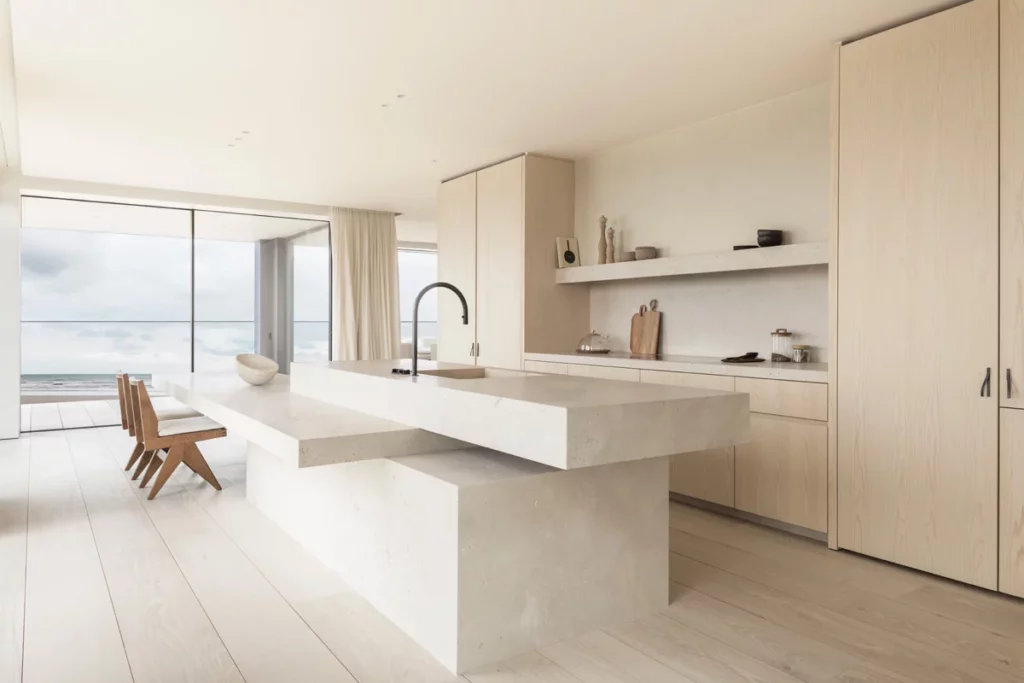
Obumex: The Belgian signature of exceptional kitchen design
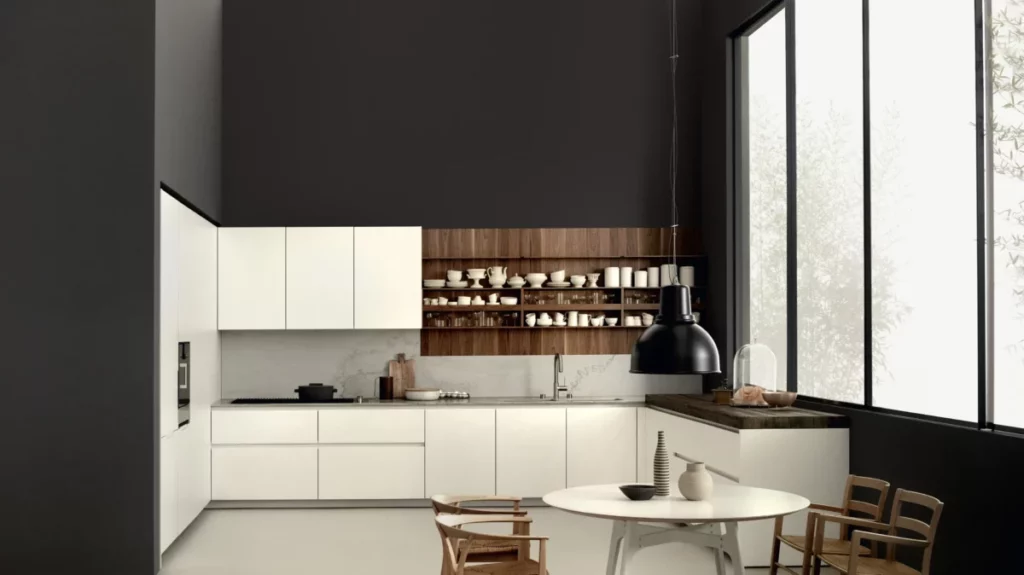
Luxury Kitchen Brands: The Great High-End Makers from A to Z
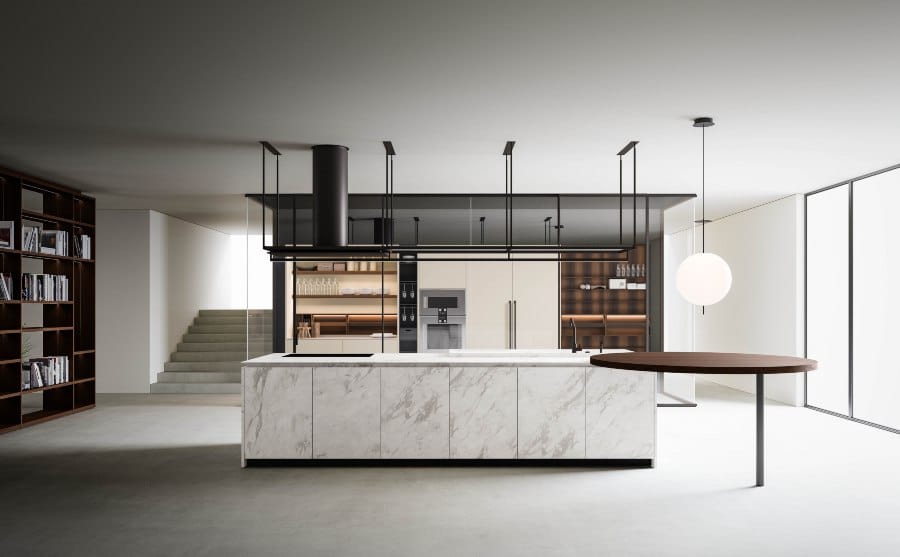
Boffi: When Italian Luxury Kitchens Meet the Art of Living
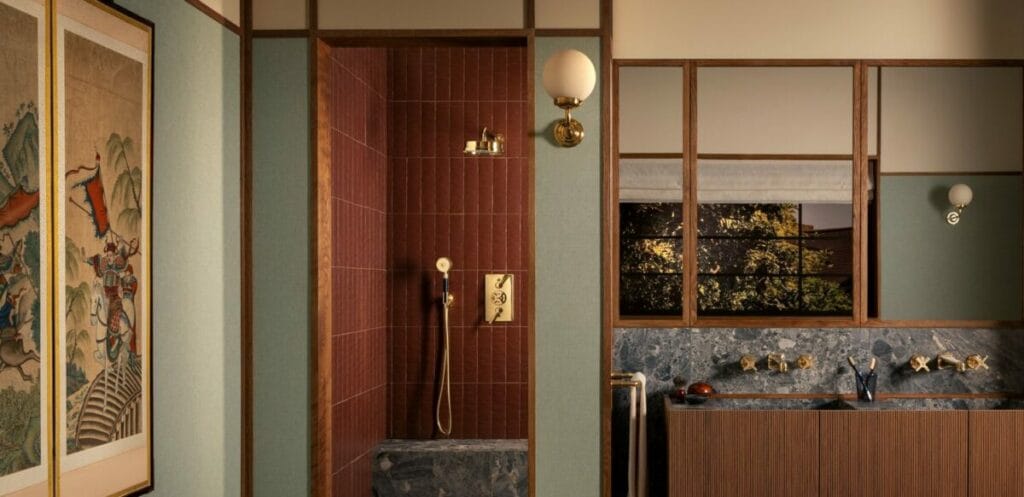
Lefroy Brooks: British Heritage and Victorian Reproductions
Read nextThe luxury bathroom guide · Materials and finishes · Exceptional craftspeople · The HART glossary
Explore
HART in five chapters
Places, creators, craftsmanship, furniture and history: everything that makes an exceptional interior.