


Cassina: The Italian Editor of Modernism
Founded in 1927 in Meda, Italy, Cassina is one of the houses that shaped moder desig into officially recognized heritage.
More than a manufacturer, Cassina operates as a design editor: authorized re-editions, precise proportions, material excellence, and controlled industrial production define its approach.

Origins: From Cabinetmaking to Industrial Design
Founded by brothers Cesare and Umberto Cassina, the company began as a cabinetmaking workshop.
In post-war Italy, rapid economic growth transformed furniture into a field of both technical and aesthetic experimentation.
Cassina made a strategic shift: moving from bespoke craftsmanship to high-quality industrial production capable of engaging with modern architecture.
This transition did not abandon traditional expertise; it integrated it into a rationalized production system.
The company gradually established itself as a structuring force in Italian design, contributing to the development of a rigorous and internationally recognizable design language.
1965: iMaestri and Editorial Legitimacy
In 1965, Cassina launched the iMaestri collection and introduced a defining principle: reissuing major modernist works with the approval of rights holders, strict respect for original drawings, and uncompromising production standards.
Within this framework, the company secured the re-edition rights to works by iconic designers:
Le Corbusier, Pierre Jeanneret, and Charlotte Perriand.
Models such as the LC1, LC2, and LC4 became international references.
The archives and rights related to Le Corbusier’s work are managed today by the Fondation Le Corbusier.
This approach fundamentally transformed the status of modernist furniture. These were no longer inspired pieces but certified, documented editions.
Italian Design in the 1960s and 1970s
Cassina’s role extends beyond the re-edition of Corbusian modernism.
During the 1960s and 1970s, Italy became a laboratory of formal innovation.
Through collaborations with Gio Ponti, Vico Magistretti, Tobia Scarpa, and later Gaetano Pesce and Patricia Urquiola, Cassina developed a hybrid identity where architectural rigor and Italian sensuality coexist.
This balance between structural discipline and expressive freedom defines the brand’s core identity.
Iconic Pieces and Formal Permanence
Several pieces embody Cassina’s authority:
LC4 Chaise Longue
Soriana by Tobia and Afra Scarpa
the Maralunga sofa by Vico Magistretti
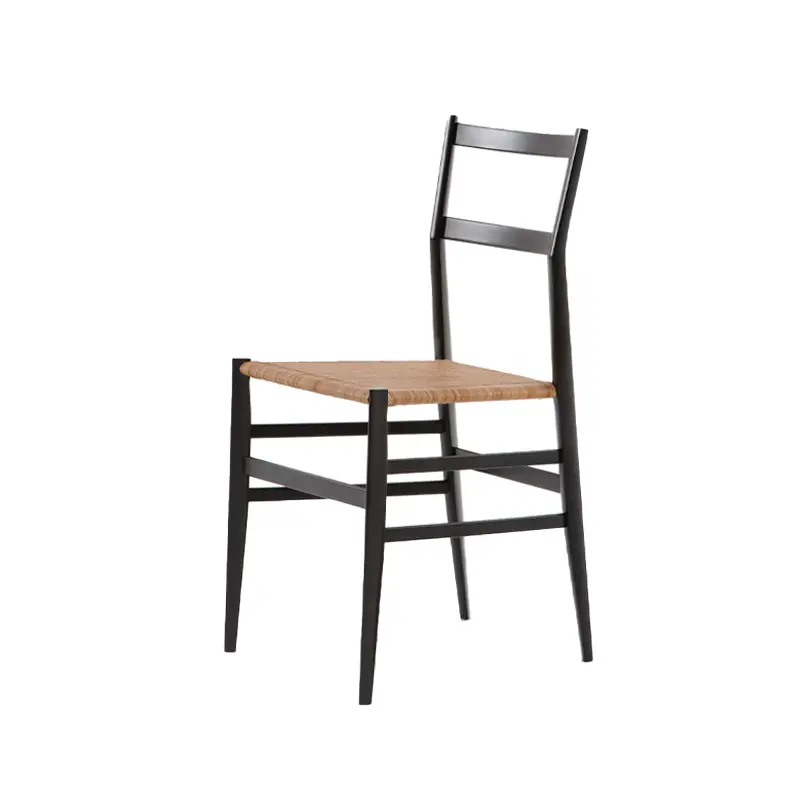
Superleggera by Gio Ponti
These objects have remained relevant for decades.
Their longevity rests on structural precision, balanced proportions, and constructive coherence.
Their endurance is not rooted in nostalgia but in the clarity of their design.
Material and Craftsmanship
Cassina maintains a strong commitment to material quality and fabrication standards.
Leatherwork, precision wood joinery, textile research, and the development of internal structures combine technical expertise with ongoing innovation.
Editorial responsibility demands accuracy.
Respecting original proportions, preserving the designer’s intent, and ensuring production quality are integral to the process.
Cassina in the International Landscape
Within modern design, each major house occupies a distinct position.
While some brands focused on expanding the reach of modernism, Cassina consolidated its editorial legitimacy in Italy.
It functions as an institutional guarantor of modernist heritage.
This stance sets the brand apart. Cassina does not follow trends; it structures history.
Cassina Today
Part of the Haworth Group since 2019, Cassina continues to balance archive and innovation.
Its catalogue brings together certified re-editions and contemporary creations without diluting identity.
To explore current collections and official archives, visit the website of Cassina.
Why Cassina Matters
Cassina represents a precise vision of design luxury: authority.
The authority of legitimate editions, a mastered modernist vocabulary, and sustained cultural continuity.
It embodies the Italian dimension of international modernism: structured, institutional, and enduring.