


Hart Textile Materials Guide: Alpaca
In the landscape of high-end textiles, alpaca occupies a singular position. Long associated with luxury garments and precious fabrics, this animal fiber now finds a more discreet yet strategic place in upholstery and interior decoration. Softer than wool, more stable than cashmere, alpaca embodies an approach to luxury founded on material, restraint, and longevity.
Alpaca: an exceptional fiber balancing softness and performance
This guide continues our expert reading of textile materials, developed in the Guide to Exceptional Upholstery Fabrics. It offers a neutral and documented analysis of alpaca fiber: origin, technical properties, real uses in decoration, durability, and environmental impact.
Alpaca: definition and classification
Textile abbreviations
France: ALPAGA
Europe (ISO): WA
United States: Alpaca
Description
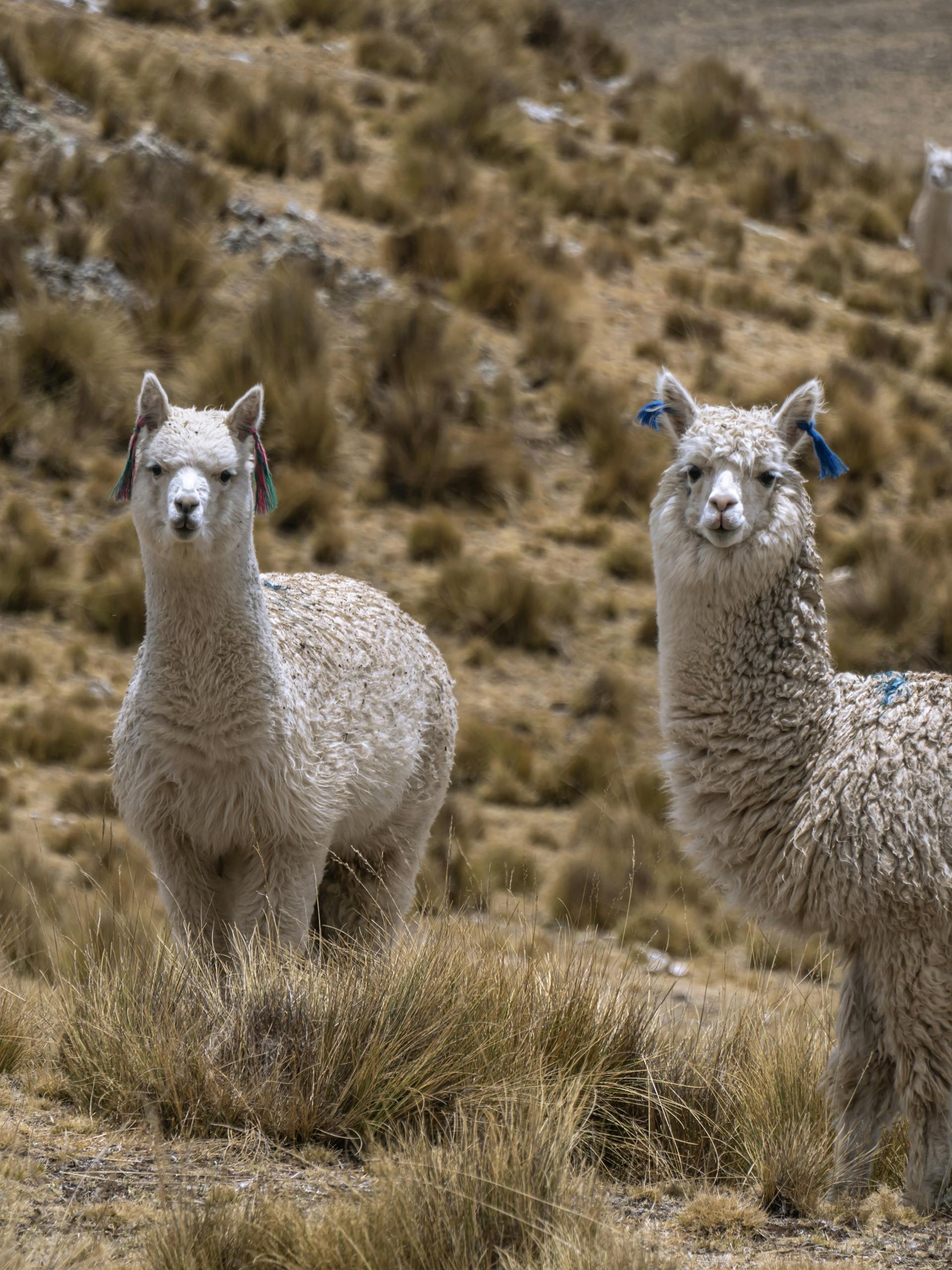
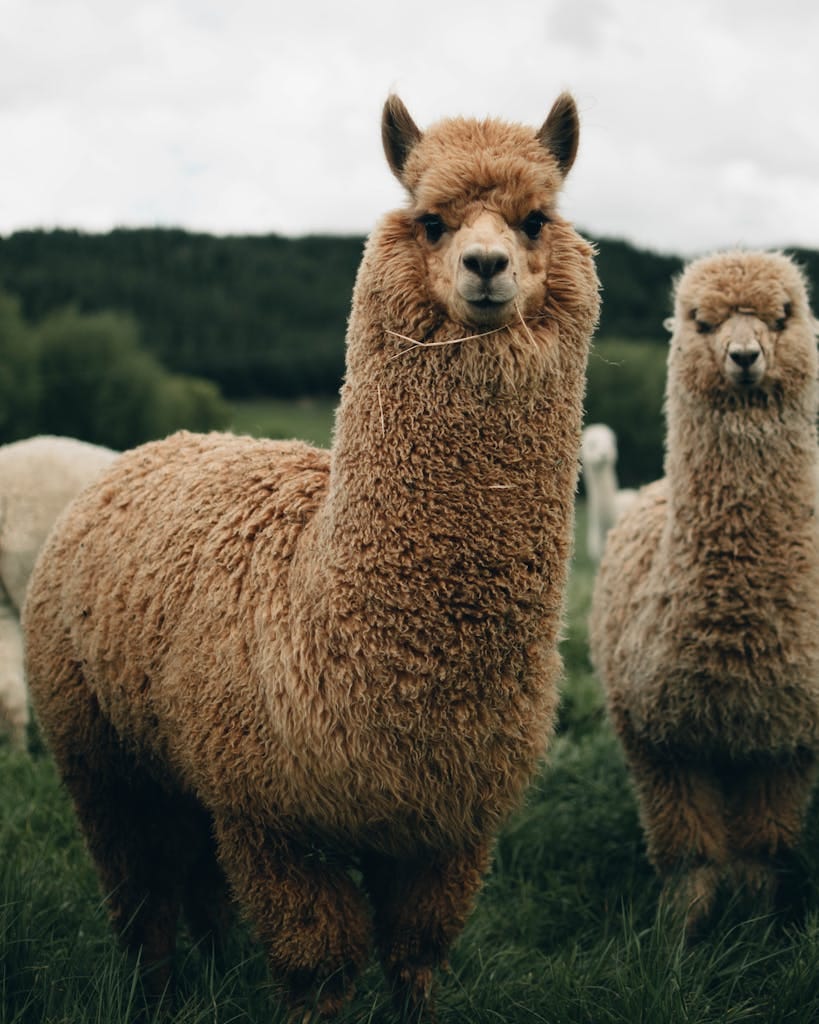
Alpaca is a natural animal fiber derived from the fleece of the alpaca, a camelid native to the high Andean plateaus, primarily in Peru, Bolivia, and Chile. Unlike sheep’s wool, alpaca fiber contains virtually no lanolin, giving it particular softness and better tolerance for sensitive individuals.
Classification
Natural animal fiber – fine hair family (camelids).
Origin and production of alpaca fiber
Alpacas have been raised for over 4,000 years in the Andes, where they constitute an essential resource for local communities. The fiber is harvested through annual shearing, without slaughtering the animal.
An alpaca produces an average of 2 to 4 kg of fiber per year. The finest fibers (called “baby alpaca”) come from the first shearings or the finest areas of the fleece. They are particularly prized for their softness and consistency.
Alpaca transformation remains predominantly artisanal or semi-industrial, which limits available volumes and explains its high-end positioning.
Technical properties of alpaca
Softness and tactile comfort
One of alpaca’s most distinctive characteristics is its exceptional softness. Its fiber, smoother than sheep’s wool, generates little itching sensation. This property makes it particularly suitable for textiles in prolonged contact with the body or used in rest spaces.
Natural thermal insulation
Alpaca fiber possesses a hollow internal structure that traps air. This configuration gives it excellent insulating properties, both against cold and heat. In upholstery, this translates to stable thermal comfort, summer and winter alike.
Lightness and dimensional stability
For equivalent strength, alpaca is lighter than classic wool. It also presents good dimensional stability, with a lower risk of felting than certain wools when properly spun.