Guide to Design Materials and Finishes
Materials are the first vocabulary of design and architecture. They speak before we even touch them, creating emotion before we name it. The mineral chill of Carrara marble does not resonate like the tactile warmth of oiled solid oak. Brushed brass catches the light differently from deep, absorbent silk velvet. In an era shaped by a return to authenticity and environmental awareness, choosing materials becomes a meaningful gesture— an aesthetic commitment as much as an ethical one.
In design and interior architecture, materials are never neutral: they shape how a space is perceived, how it performs over time, how it feels in daily life, and what kind of emotional resonance it carries. Created as a reference resource, this guide offers a clear, sensory and contemporary reading of the materials that define interiors today—helping professionals and design lovers make sharper, bolder and more responsible choices.
Quick picks: choosing well from the start
- Kitchen & dining: prioritise durable, easy-care surfaces (dense stone, stainless steel, ceramics, premium laminates) and practical finishes.
- Living room: aim for sensory balance (wood + textile + metal) and upholstery suited to real use (bouclé, wool, performance velvet, full-grain leather).
- Bedroom: favour softness (linen, wool, light wood, matte finishes) and a calmer acoustic atmosphere (textiles, woven surfaces, wall treatments).
This guide is designed for architects, interior designers, decorators and students looking for a complete, inspiring reference. It explores the major material families shaping our everyday environment—from ancient, foundational materials to modern innovations. Each family is approached through performance, aesthetics, cultural history and contemporary use—so you can choose with clarity, confidence and intention.
Understanding materials: the fundamentals
Why materials matter in design
Materials are the tactile and sensory dimension of design—the part that turns a visual concept into a lived experience. A space truly exists when you step into it: when light moves across a surface, when textures respond to the hand, when sound is softened or amplified by what surrounds you.
Beyond immediacy, materials carry emotional and psychological weight. They evoke places and eras: teak recalls Nordic interiors of the 1950s, terrazzo brings back a certain Art Deco elegance, rattan speaks of craft and summer lightness. Every material has a symbolic language that can shape wellbeing and perception.
The history of design is also the history of materials: the Bauhaus champions tubular steel, Mid-Century Modern celebrates precious woods and moulded plywood, the Memphis group embraces bold laminates, while contemporary design explores concrete, high-performance composites and bio-based materials.
Key criteria for choosing a material
Selecting a material means balancing aesthetics (colour, texture, sheen, grain), performance (resistance, maintenance, stability) and real-life use. Polished marble can be magnificent in a reception space, yet demanding in a heavily used family kitchen. Couture velvet elevates a lounge chair, but requires careful selection for a frequently used sofa.
Ethics is now a core requirement: origin, certifications, carbon footprint, recyclability, reparability. Choosing certified wood, responsible textiles, recycled metals or local stone is both a quality move and a conscious commitment.
The art of mixing materials
The most compelling interiors are rarely built around a single material. Mix creates depth. Warm/cool contrasts (wood + stone), matte/shiny tensions (oiled oak + brushed brass), smooth/rough dialogues (lacquer + mineral surfaces) keep the sensory experience alive. Great design is material composition—every texture has a function, every reflection an intention.
Major material families in design
Each family has its own identity, technical behaviour and aesthetic codes. Explore how they perform—and how they transform spaces.
Wood: a living, timeless material
Wood remains the quintessential noble material. It is alive, it ages with grace, it brings warmth and tactility, and it humanises architecture. Its universal presence across cultures says everything about its power.
European classics (oak, walnut, ash) sit alongside fruitwoods (cherry, pear) and, more cautiously today, exotic woods (teak, ebony, rosewood). Finishes radically change the same species: varnish (protection + depth), oil (natural touch), wax (soft patina), lacquer (smooth colour surface). Wood stands apart for its reparability and its ability to become an heirloom.
→ Explore our complete guide to wood in design
Stone: mineral nobility and permanence
Stone embodies solidity, permanence and quiet luxury. It carries geological memory and an unmistakable architectural presence. Marble (Carrara, Calacatta, Marquina…), granite and travertine each offer a unique signature. Stone seduces through its singularity (veining, tonal variation), natural coolness and centuries-long prestige.
→ Explore our complete guide to stone in design
Metals: reflections and modernity
Metals sit between precision and sensuality: they reflect light, develop patina, and shift character through brushing or polishing. Brass (warm gold + patina), bronze (historic nobility), copper (living colour evolution), steel (rigour), aluminium (lightness): each metal writes a different language. They shine in details (handles, bases) as much as in structure.
→ Explore our complete guide to metals in design
Textiles: softness and sensory comfort
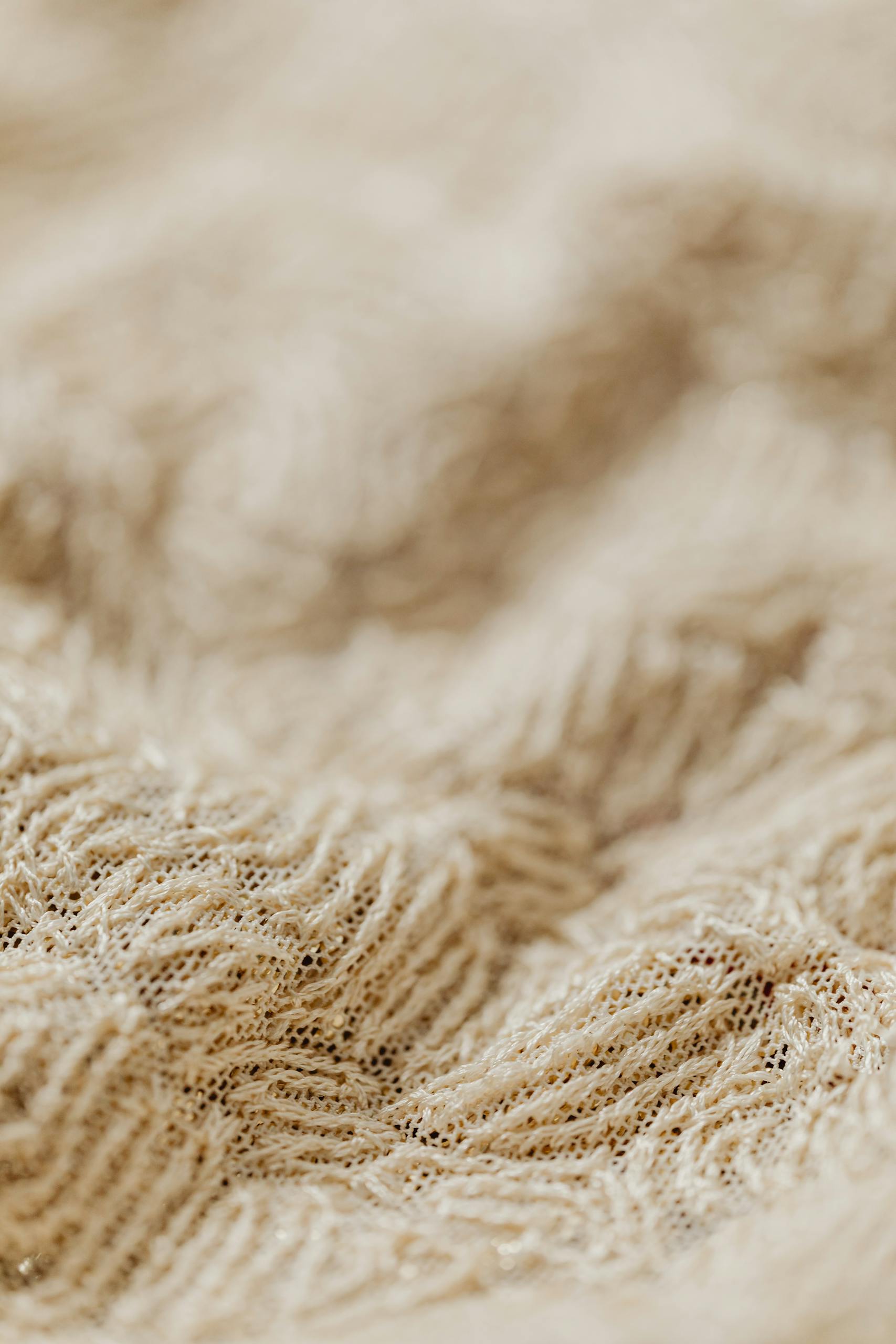
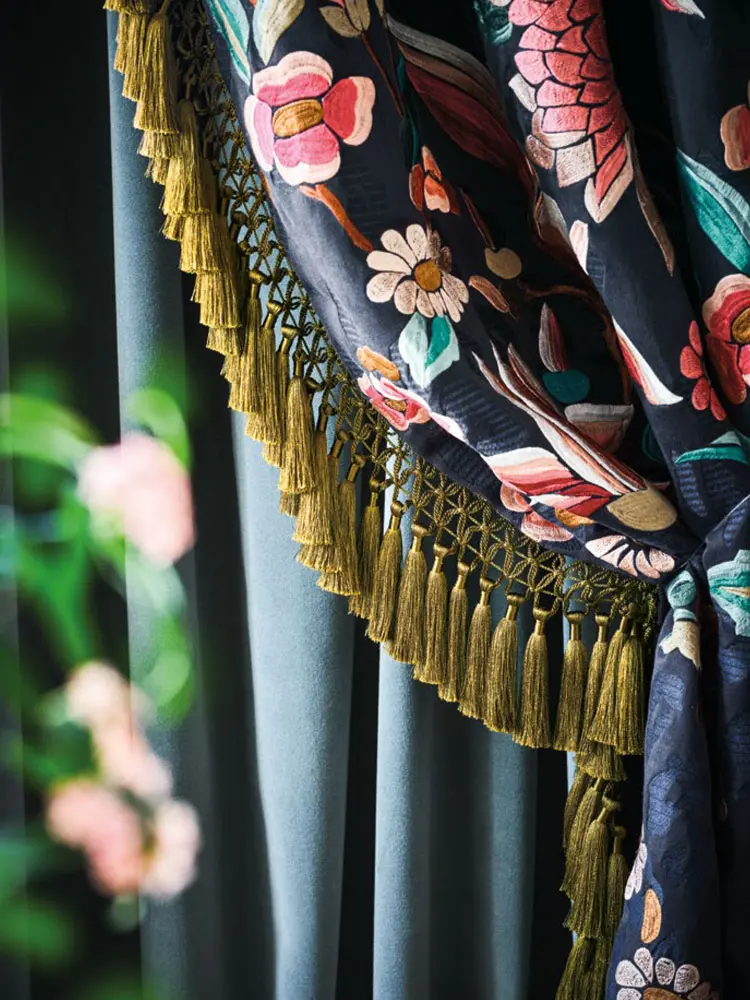
Textiles humanise space: they soften lines, absorb sound, and bring visual and physical comfort. Linen (natural elegance), wool (texture + warmth), cotton (versatility), silk (ultimate luxury), velvet (depth), leather (patina + durability): their strength lies in personalisation—colour, weave, pattern and tactile identity.
→ Explore our complete guide to textiles in design
Glass & ceramics: transparency and tradition
Glass and ceramics share a mineral origin and transformation through fire. Glass (blown, industrial, crystal) plays with transparency and light. Ceramics (porcelain, stoneware, earthenware) celebrate texture and colour. These are hygienic, durable and deeply expressive materials—from art objects to everyday essentials.
→ Explore our complete guide to glass & ceramics
Natural materials: rattan, cane and plant fibres
Rattan, cane, bamboo and woven fibres express craft, lightness and authenticity. They bring an organic presence that calms a space. French cane weaving and flexible rattan signal a discreet elegance that lasts. Their key value: warmth and visual breathing room.
→ Explore our complete guide to natural materials
Wallpapers & wallcoverings: the decorative revival
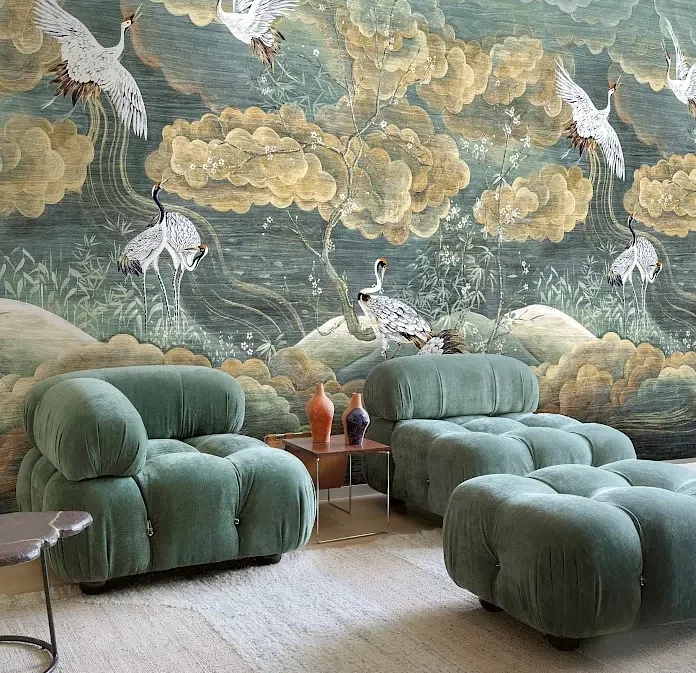
Panoramics, non-woven papers, textured finishes, immersive murals: wallpaper has become one of the most powerful tools for transformation. Non-woven types simplify installation (paste the wall). Panoramics create narrative. Textile wallcoverings add tactile luxury and acoustic benefits. Its singularity: dramatic impact with controlled effort—and almost infinite creativity.
→ Explore our complete guide to wallpapers & wallcoverings
Contemporary & synthetic materials: innovation and performance
Resins, acrylics, composites, solid surfaces (such as Corian) and high-performance foams open shapes and behaviours that traditional materials can’t. They enable seamless surfaces, sculptural volumes and enhanced performance (hygiene, resistance, waterproofing). The modern challenge: balancing innovation with reparability and environmental impact.
→ Explore our complete guide to contemporary materials
Materials & styles: iconic combinations
By design movement
Every movement can be read through its material palette. Art Deco combines marbles, precious woods, lacquer and brass. Bauhaus asserts steel, glass and plywood. Mid-Century Modern celebrates teak, walnut and graphic textiles. Contemporary design explores concrete, raw stone, brushed metals and advanced composites.
By decorative atmosphere
Scandinavian interiors favour light woods, linen, wool and matte finishes. Industrial spaces embrace steel, concrete and patinated leather. Bohemian worlds mix rattan, plant fibres and layered textiles. Classic luxury leans into marble, velvet, precious woods and brass. Strong atmospheres are often built on one decisive duo: material + light (and a third element—texture).
Material pairings that almost always work
Wood + metal (warm/cool tension), stone + brass (timeless luxury), rattan + linen (natural softness), velvet + marble (opulence), concrete + wood (modernity warmed up). The key: choose a “base” material, then add one or two accents (reflection, texture, colour).
A sustainable and responsible approach
Choosing better: practical criteria
Short supply chains, credible certifications, recycled content and controlled end-of-life strategies increasingly define material choices. But the true master criterion is durability: a material that ages beautifully, can be repaired, and is made to last is almost always the right answer.
Materials of the future
Locally sourced certified wood, European plant fibres (linen, hemp, cork), recycled and upcycled materials, and emerging biomaterials (mycelium, algae, agricultural by-products) point in the same direction: reducing impact without sacrificing beauty.
Practical resources
Where to see and touch materials
Material choices can’t be made from a screen alone. Material libraries, showrooms, fairs (Maison&Objet, Salone del Mobile), and artisan workshops allow you to compare finishes, observe real behaviour, and understand true quality.
How to learn (and keep learning)
Books, museums, archives and HART resources all sharpen material literacy over time. To place materials in a wider cultural context, explore design history and its defining movements.
Material excellence, in service of your projects
Materials define the soul of a space. The designer’s art is to orchestrate textures, reflections, densities and patinas with precision. An informed choice balances aesthetics, technical behaviour and ethics—without compromising longevity.
Materials evolve—through innovation, environmental demands and a renewed respect for craft—yet the pursuit of beauty, meaning and tactile quality remains central. That is where contemporary excellence begins.
Our detailed guides by material
Go deeper into each material family with our dedicated guides.
Wood in Design: the Complete Guide
Species, finishes, contemporary uses: everything you need to understand wood as a living, timeless material.
Stone in Design: the Complete Guide
Marbles, granites, travertines: explore mineral language and luxury applications.
Metals in Design: the Complete Guide
Brass, bronze, steel, copper: finishes, patinas and the art of reflection.
Textiles in Design: the Complete Guide
Linen, velvet, leather, performance fabrics: the tactile intelligence of interiors.
Glass & Ceramics: the Complete Guide
Transparency, light, colour: the many faces of glass and ceramics in design.
Natural Materials: the Complete Guide
Rattan, cane, bamboo: craft, warmth and the return of authentic fibres.
Wallpapers & Wallcoverings: the Complete Guide
Panoramics, textures, non-wovens: transform walls with contemporary wall design.
Contemporary Materials: the Complete Guide
Resins, composites, foams and innovations shaping tomorrow’s interiors.